A week ago the #CrossBorderRail 2025 finale ended, and I am writing this post back in Ravières, and this is a kind of quick stock take.
The finale encompassed 25000km on 168 trains, more than 1000km on the Birdy folding bike, and a mass of experience and lessons learned that I am only beginning to process in my head. There will be plenty of deeper conclusions in due course, allocating some of my borders to my categories as the main candidates to fix, short term. I aim to have a hit list of 50-60 borders where the solutions are simple, cheap and obvious, and in the coming months and years keep an eye on these borders in particular.
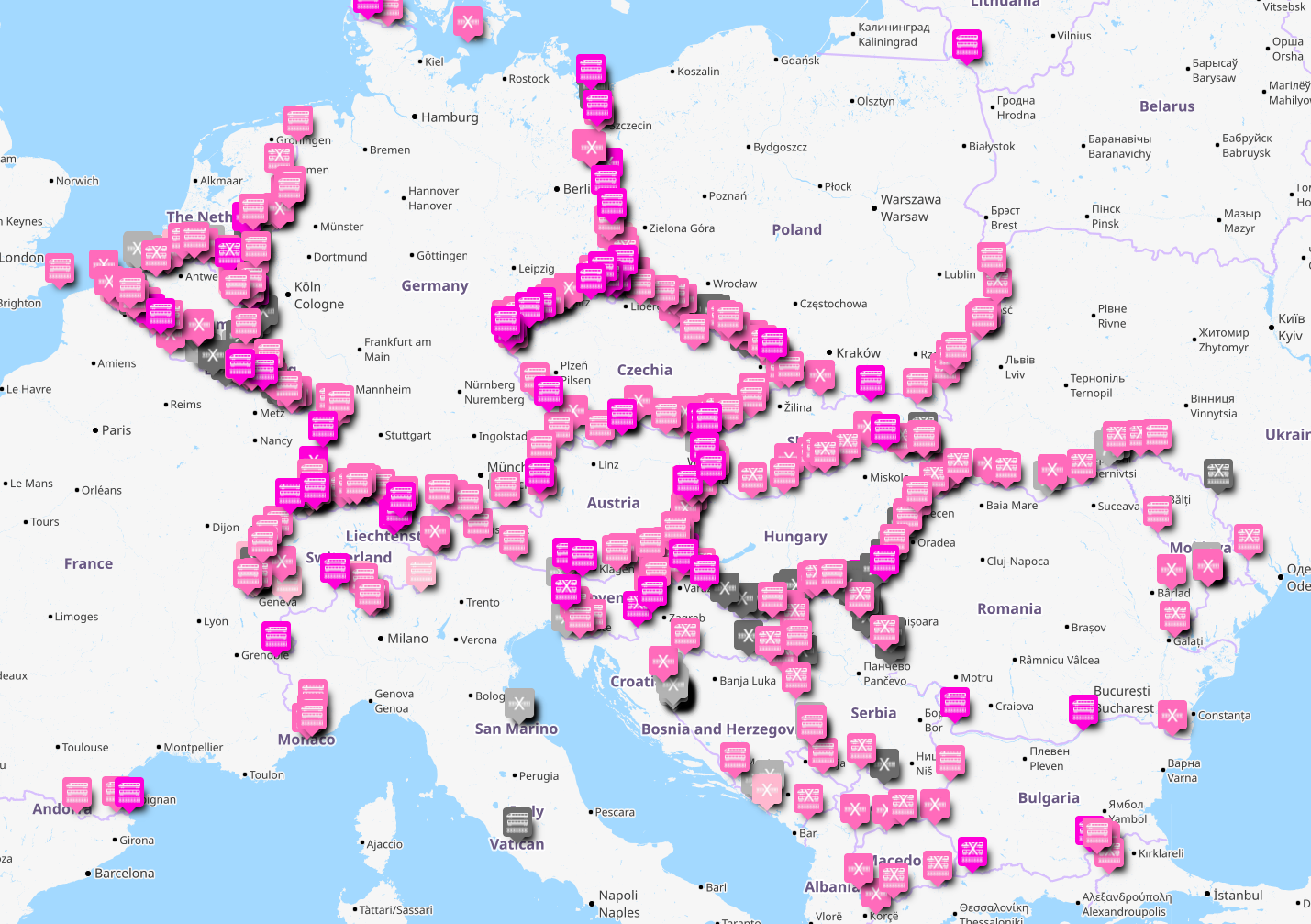
One piece of work, post trip, has already been concluded: the current total of 388 international railway lines I have visited in this project have been added and categorised on the All The Borders map. Pink pins are the places I have been, grey pins the borders I am still missing. The map has also been adjusted to better account for lines that cross a border multiple times.
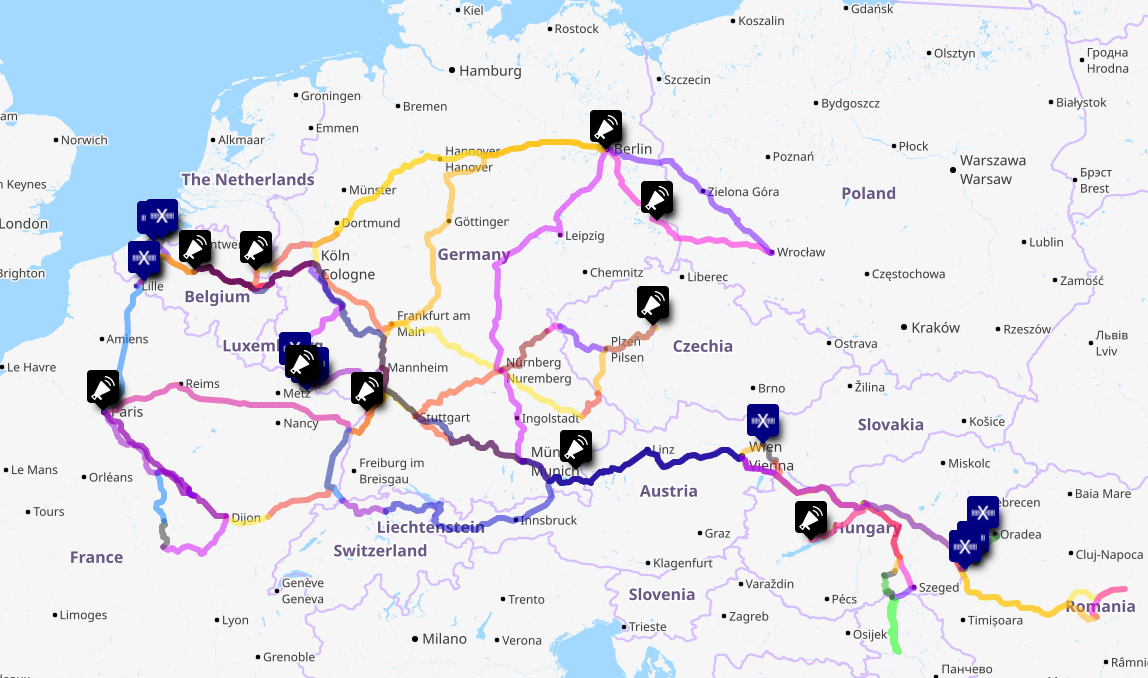
With 400 borders relatively easily in reach, and a mass of events to speak at and attend this autumn, between 13th September and 12th November I am planning a Conclusions Tour – this will add a handful more borders, but will be predominantly to speak at events in a variety of places.
The tour is mapped here, with each day (with a date) as a map layer. I am especially looking forward to speaking on board the Kulturzug from Berlin to Wrocław on 4th October – you can book a ticket to come along here! And I have a few spare days en route as well (especially in Bruxelles, but can add others), so if you would like me to present what I have learned to you or your group do let me know!
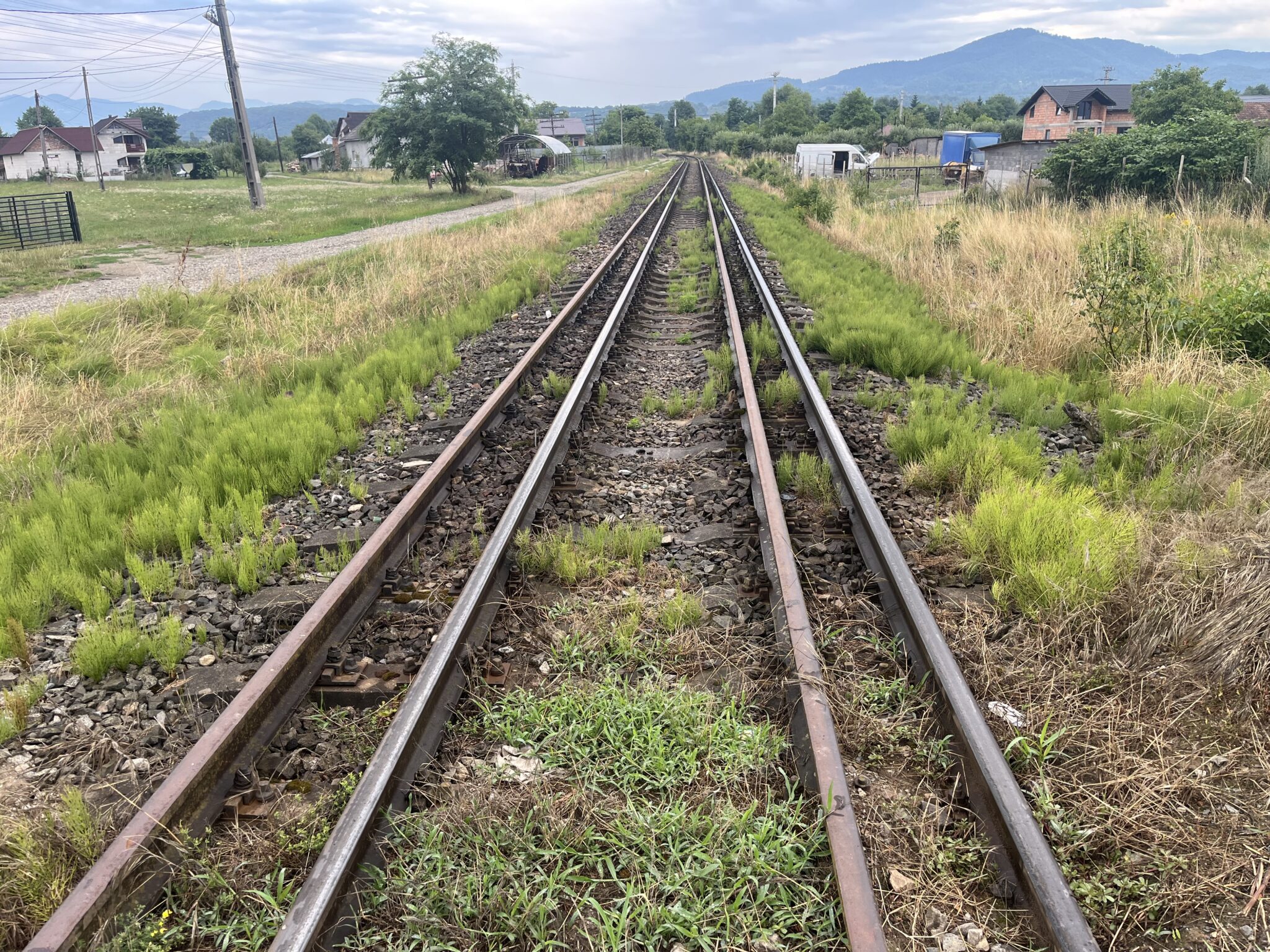
Having spent a lot of time on the finale tour in places with rather broken railway infrastructure, it is going to be harder to draw conclusions from this summer’s investigations than from tours past. A legally operable railway line with a maximum speed of 30km/h is not much use for passenger trains. There are of course some exceptions I found – some of the lines at the borders of Czechia, Slovakia and Hungary have much more potential than is currently being exploited. And the scale of the track works completed in eastern Bulgaria is impressive to see, having last been there a decade ago. But both Romania and Moldova leave me shaking my head – with infrastructure in a decrepit condition and horribly low speeds I am left wondering what to do to save the railway network. And – in Romania in particular – it feels like many of the staff have given up as well.
I took thousands of photos and hundreds of videos during the project, and I am going to need some time to edit and archive all of them. But for the moment here is a selection of some of the best ones!
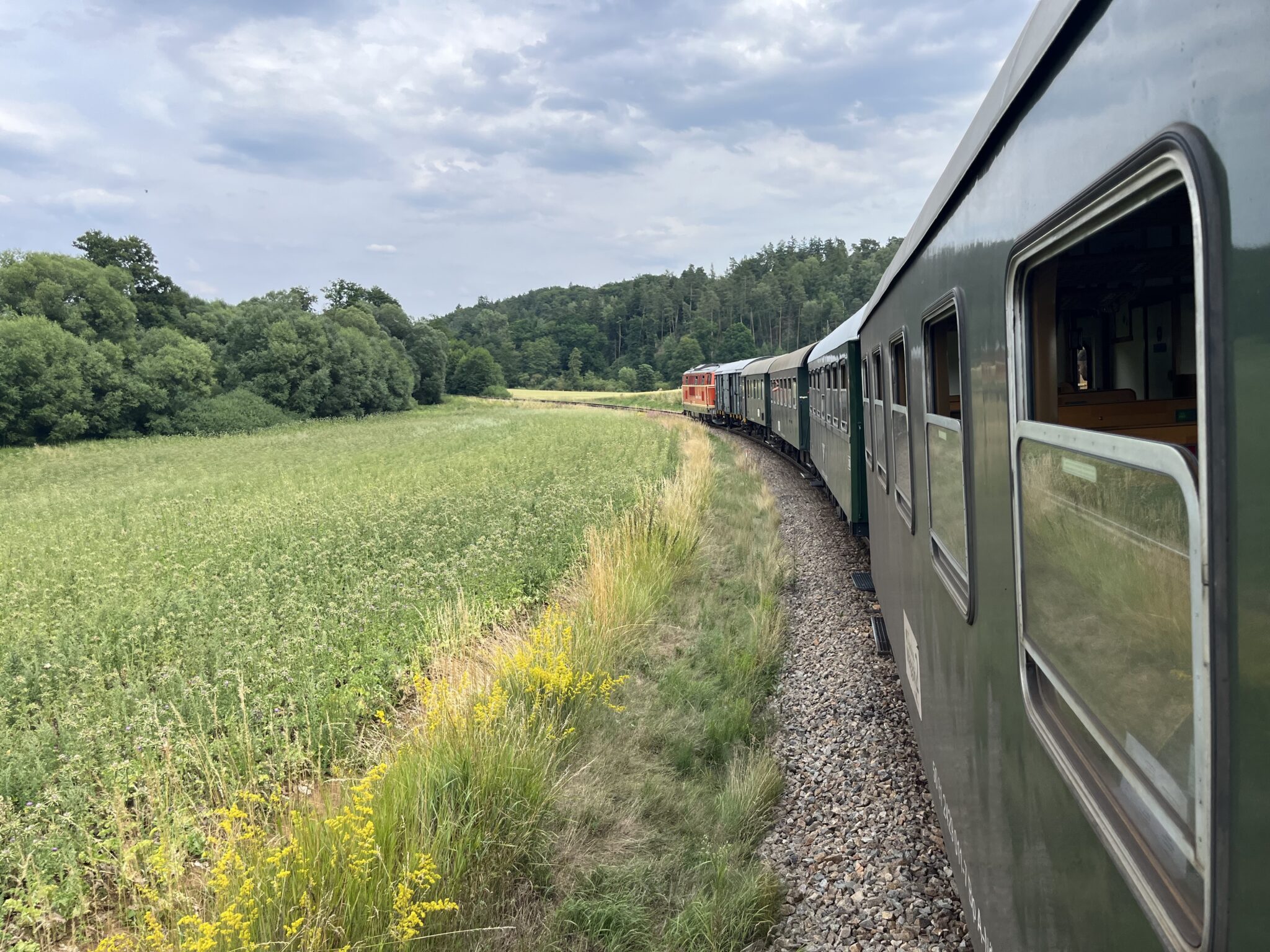
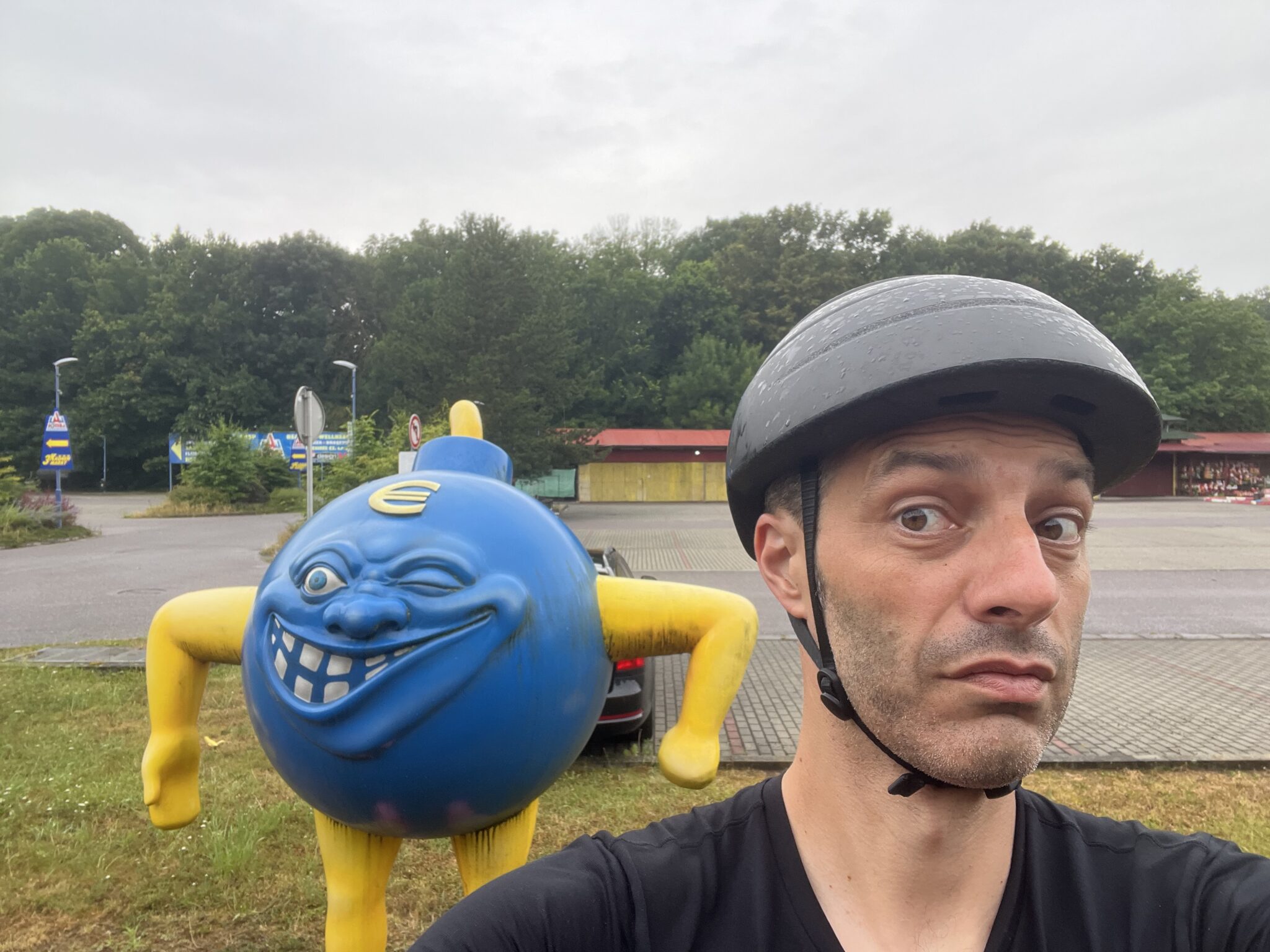
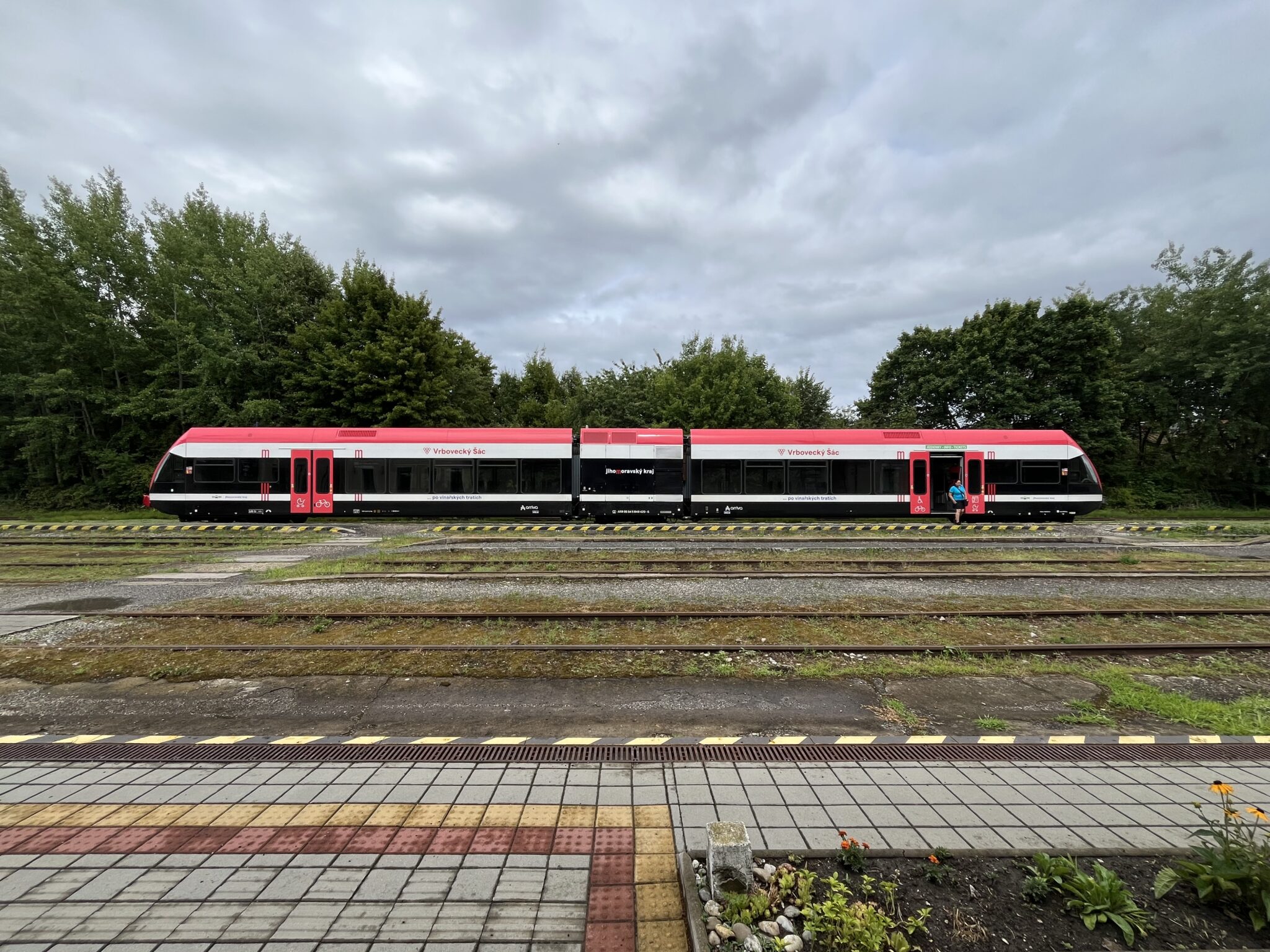
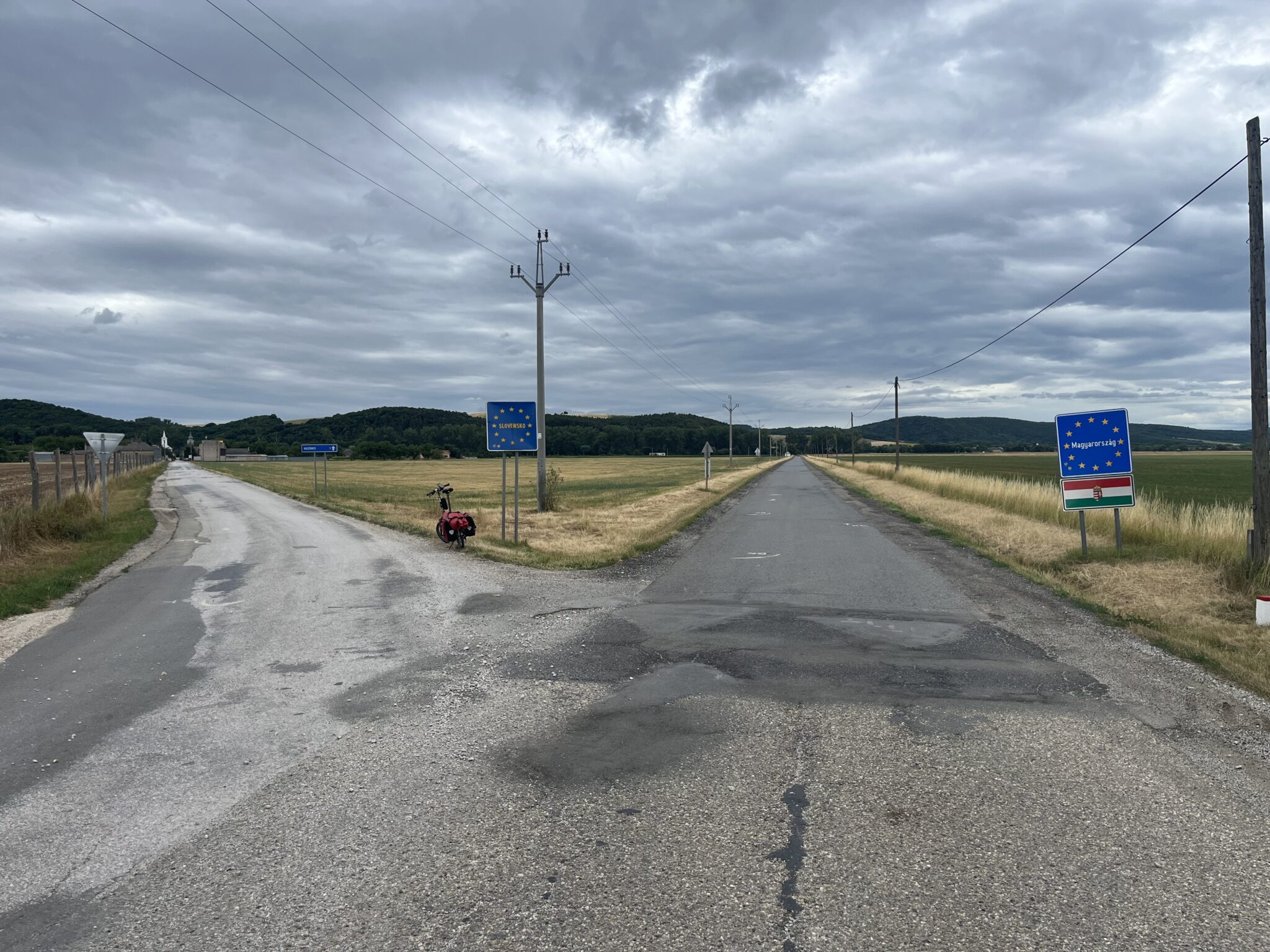
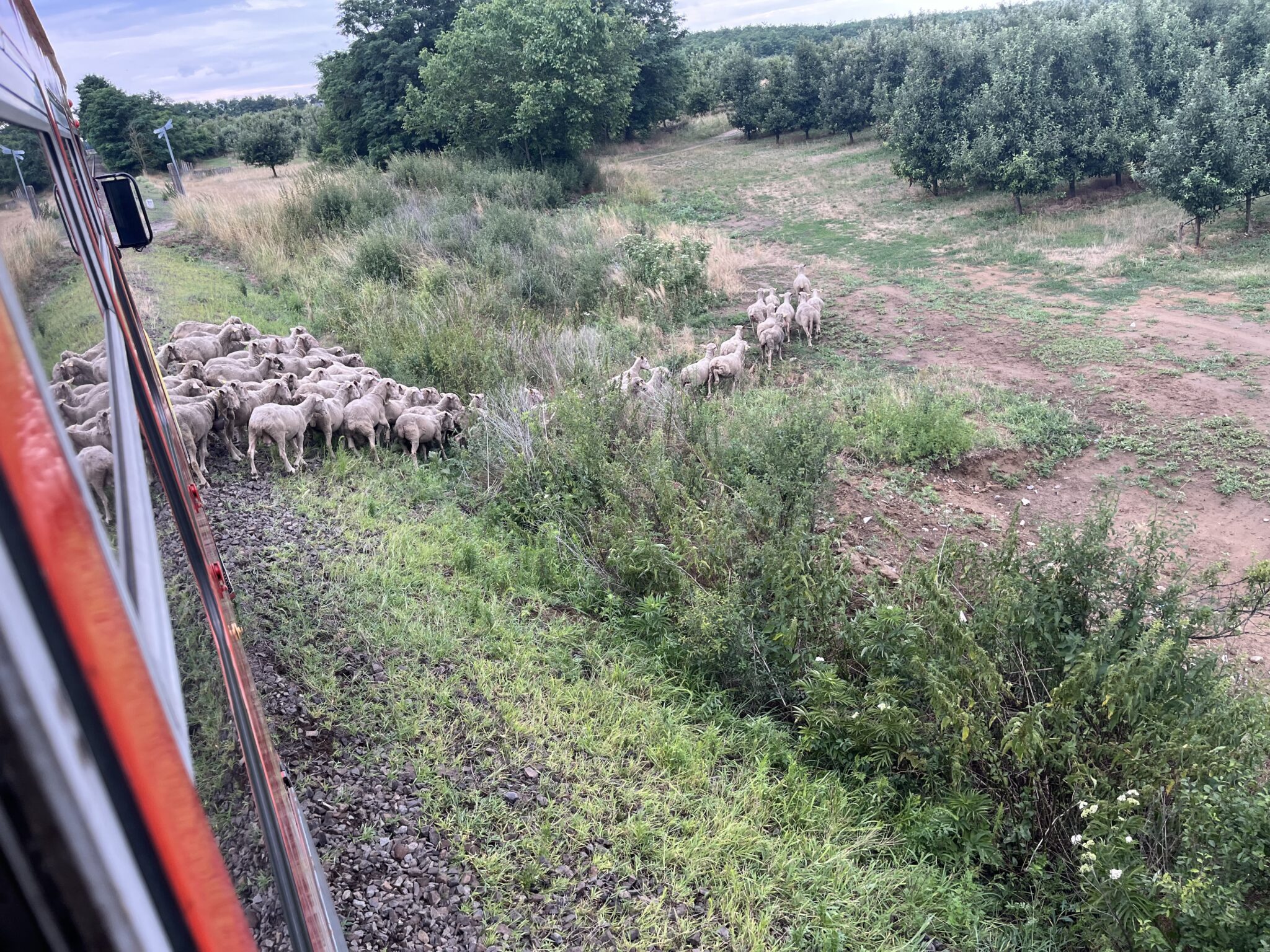
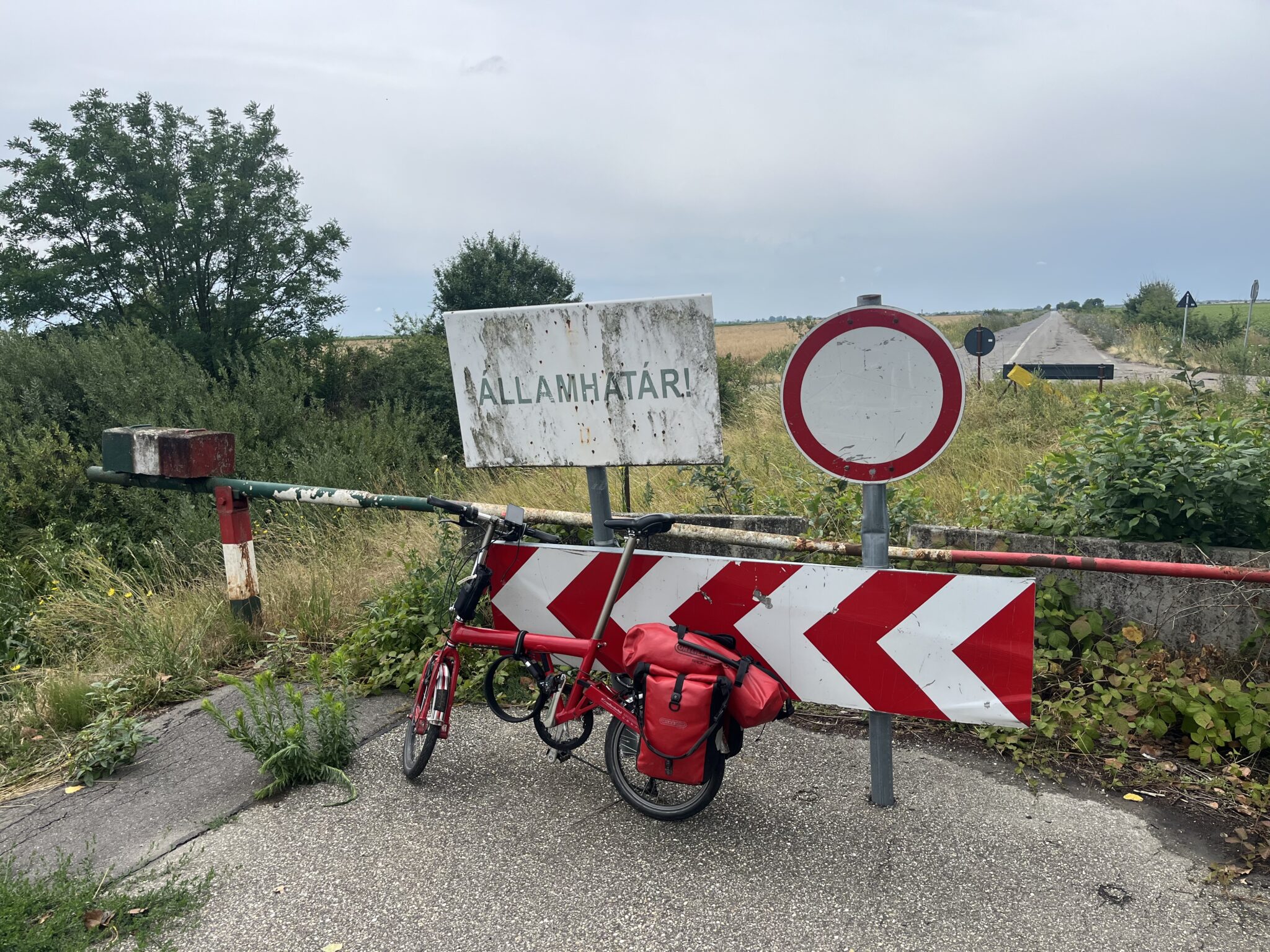
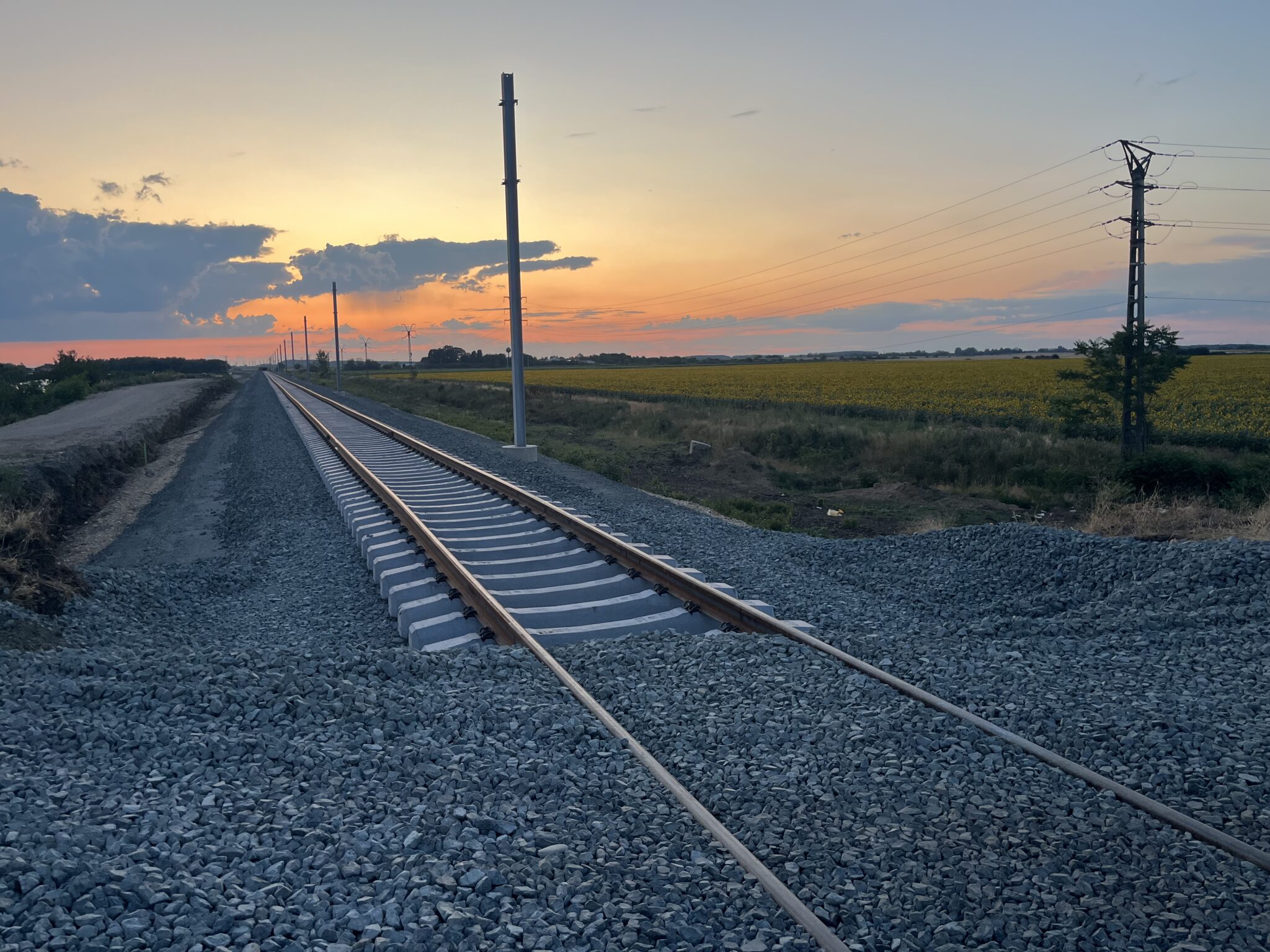
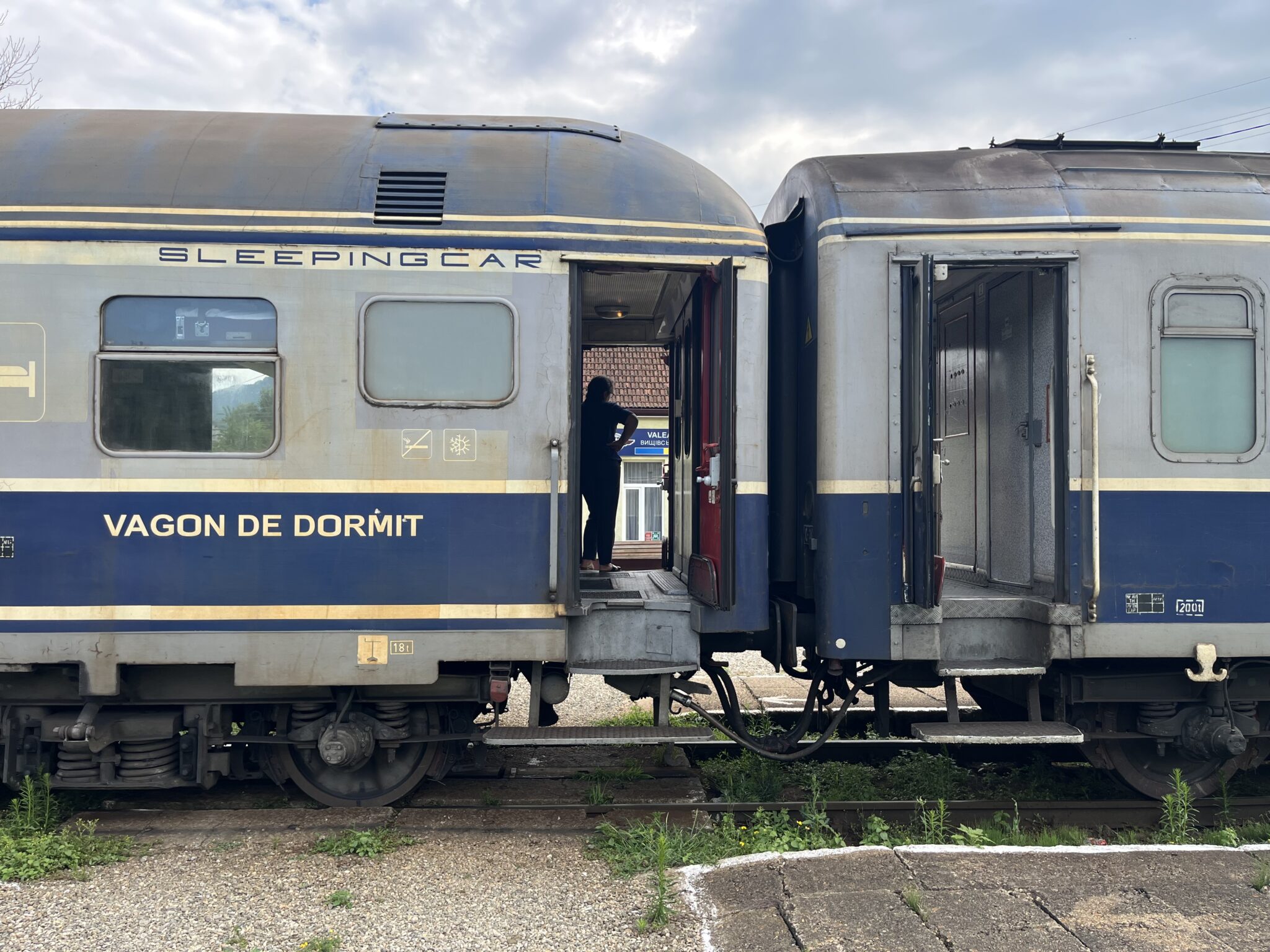
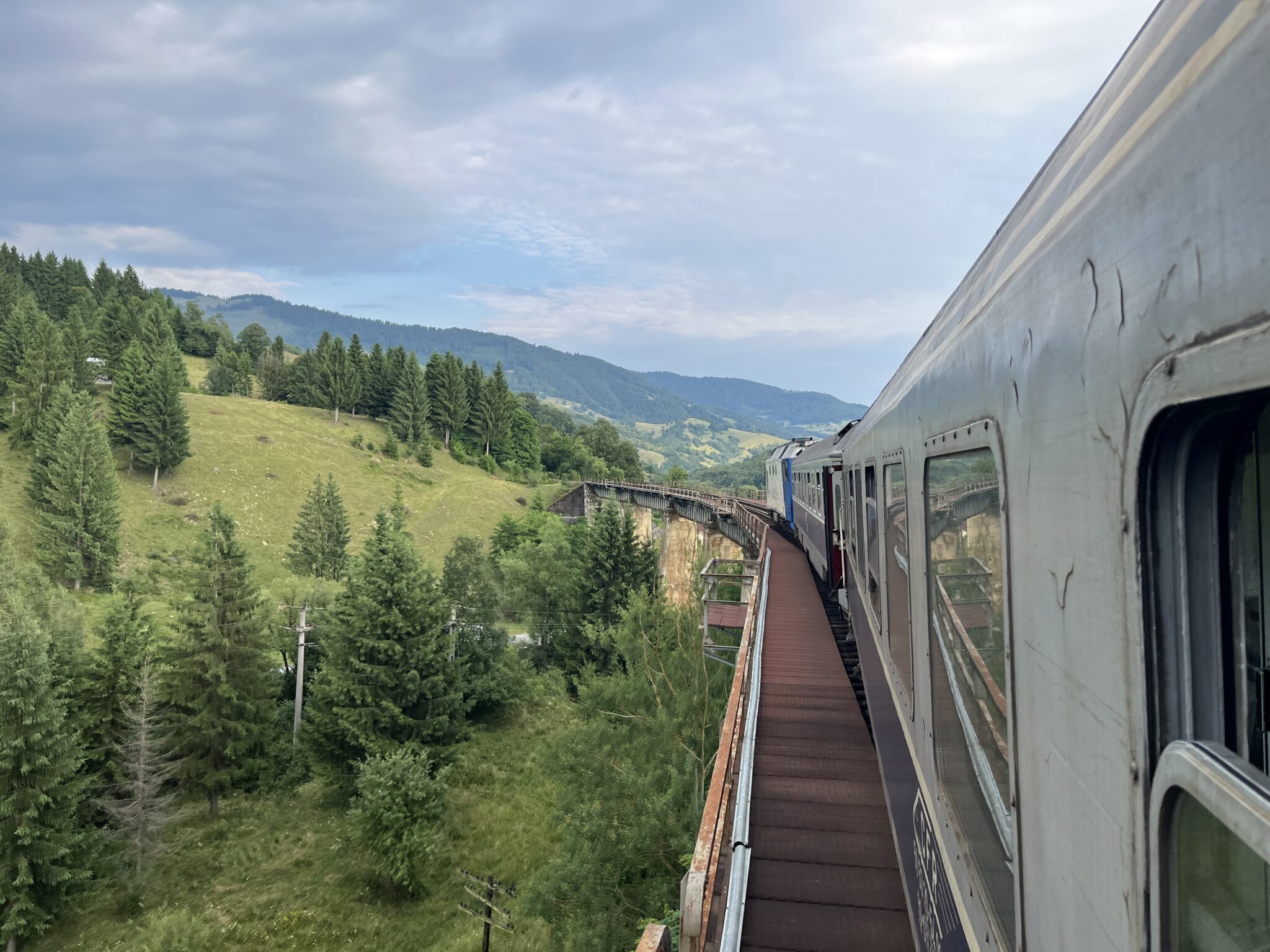
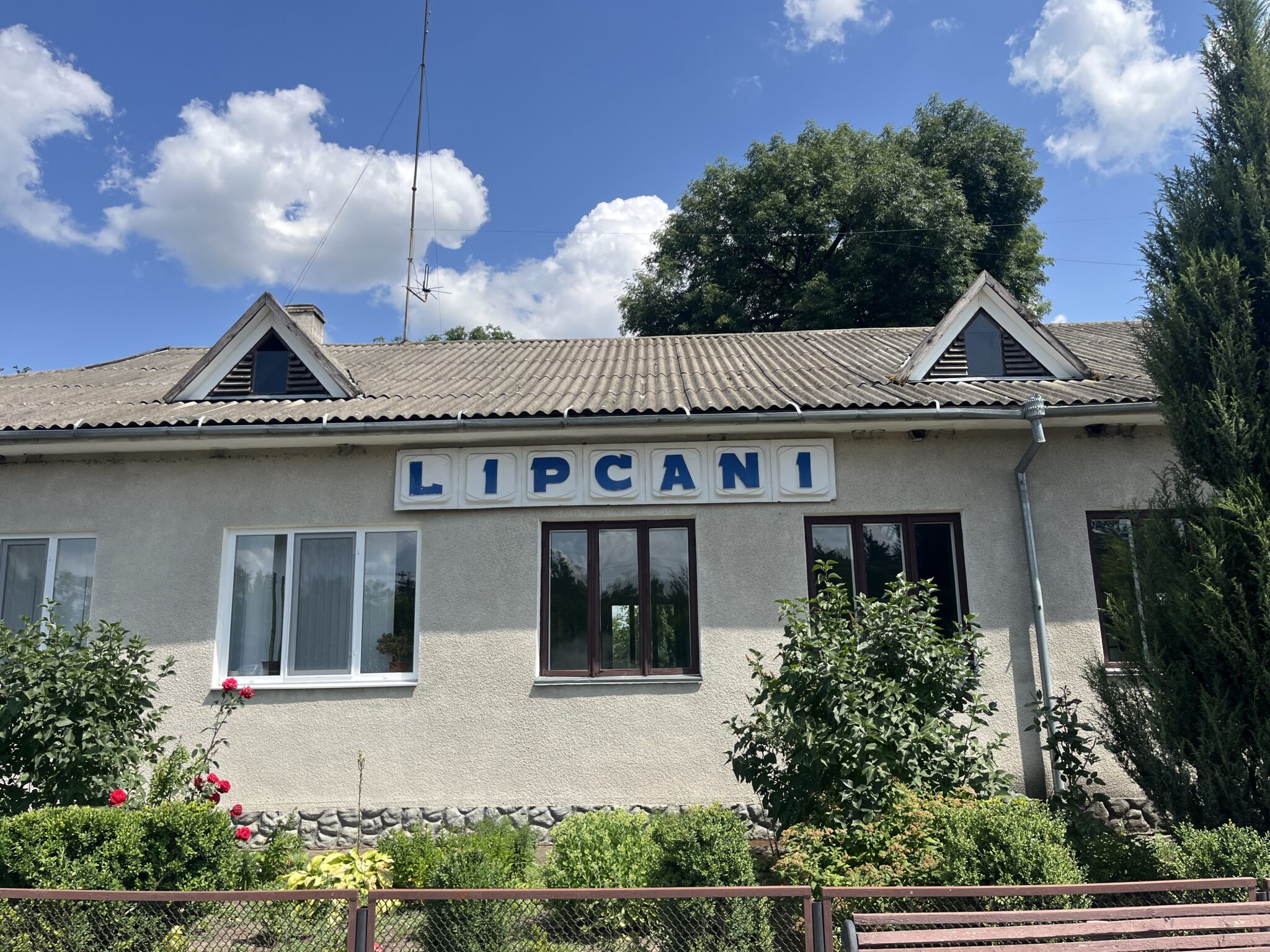
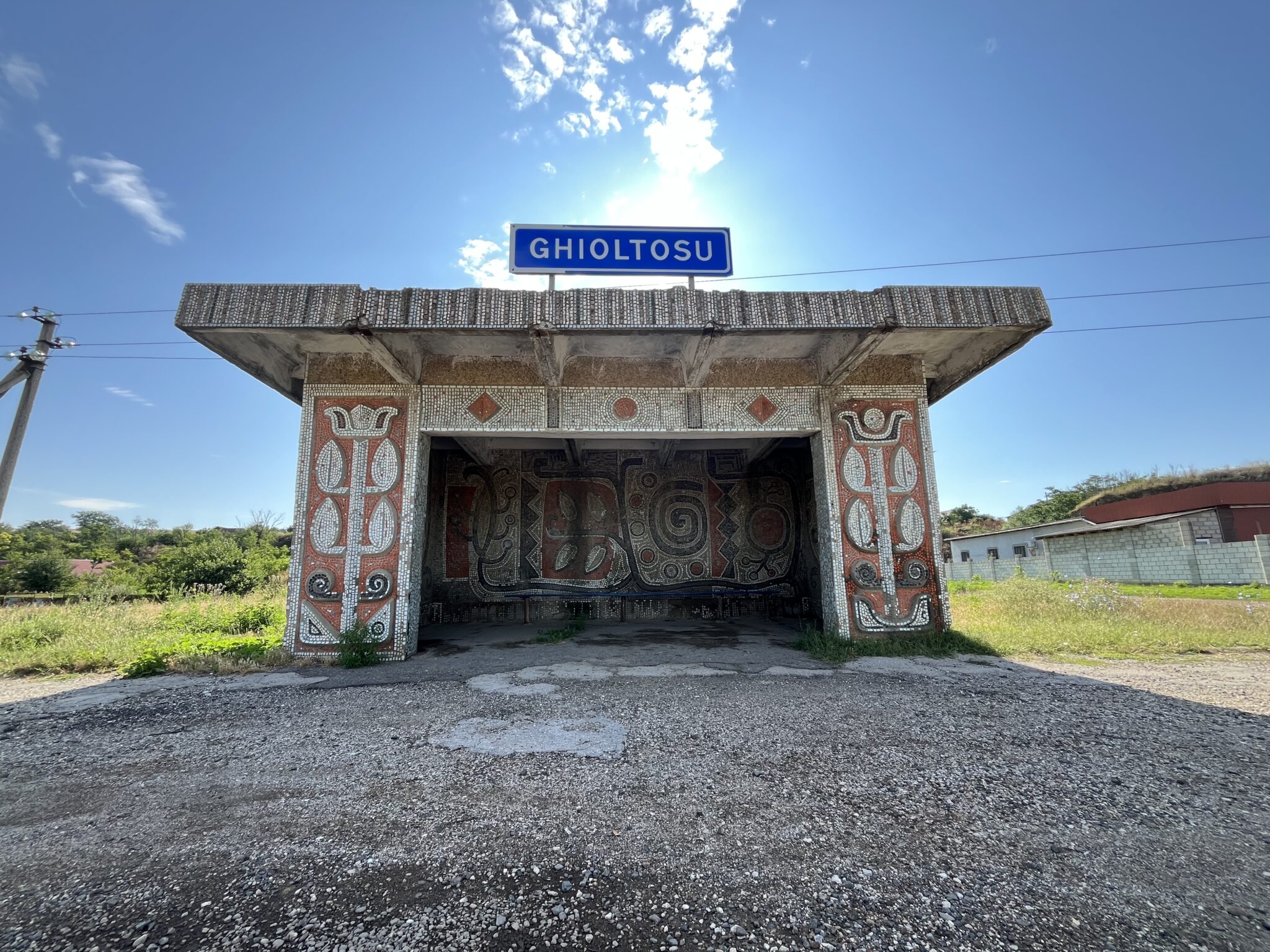
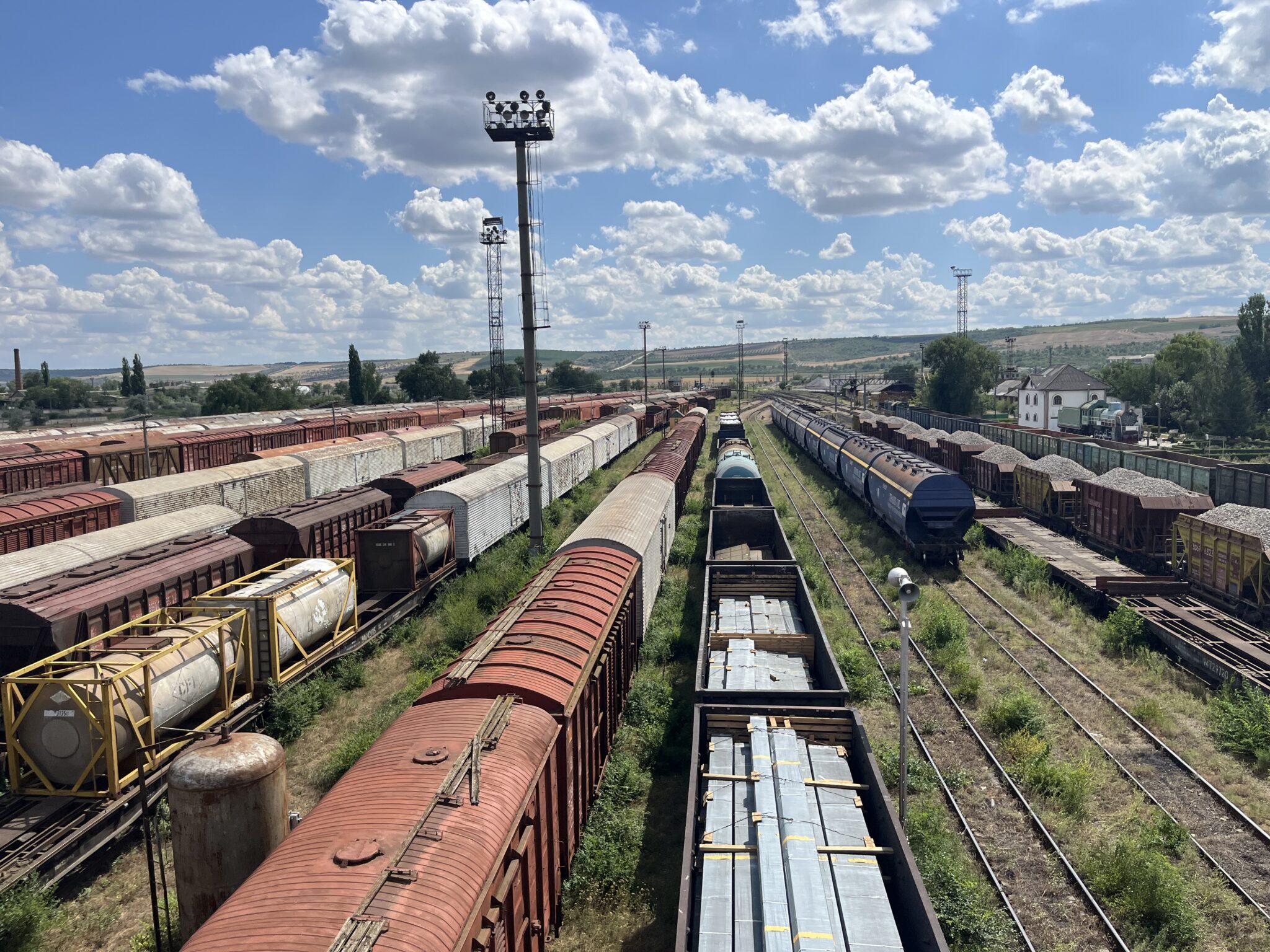
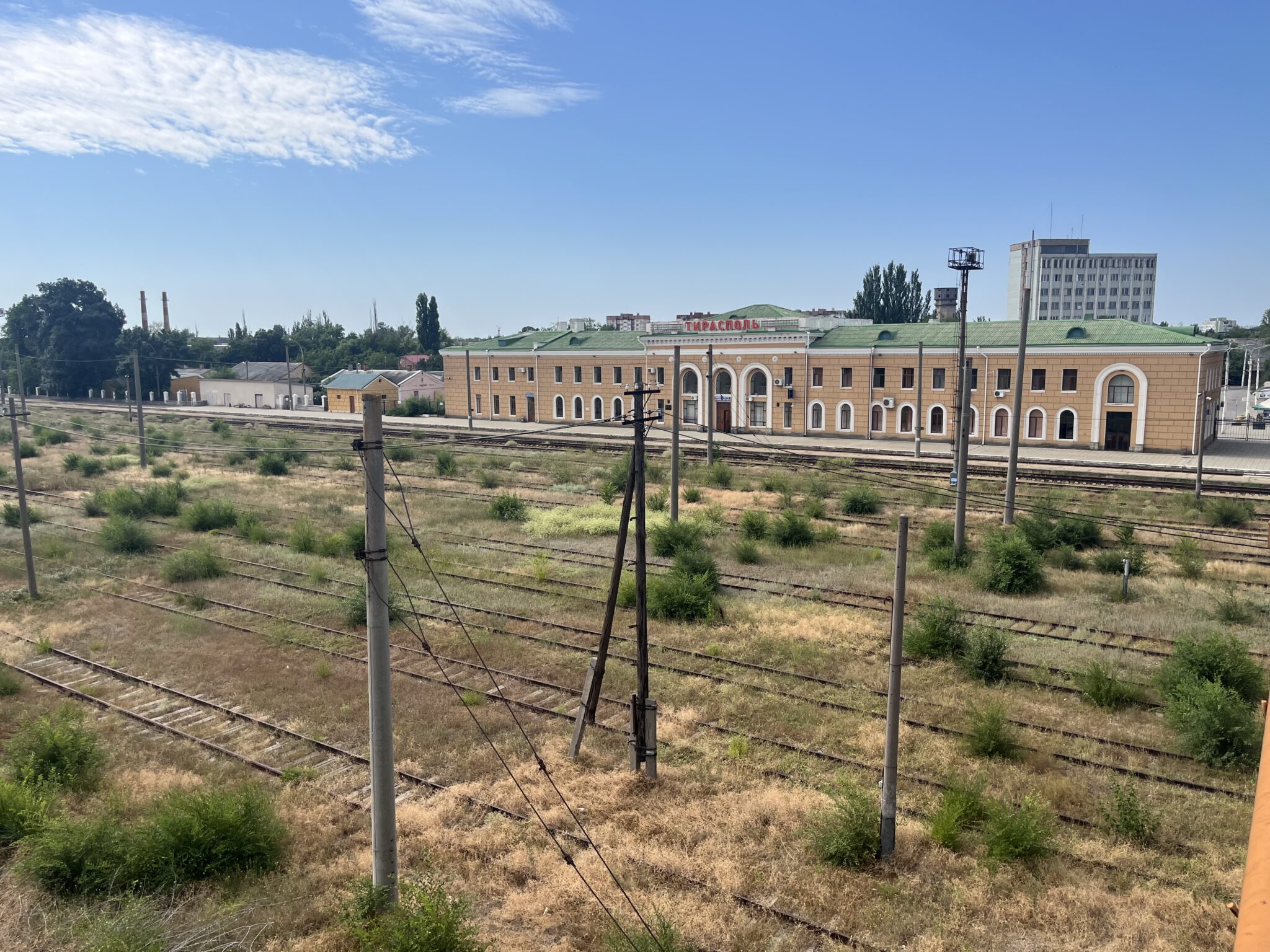
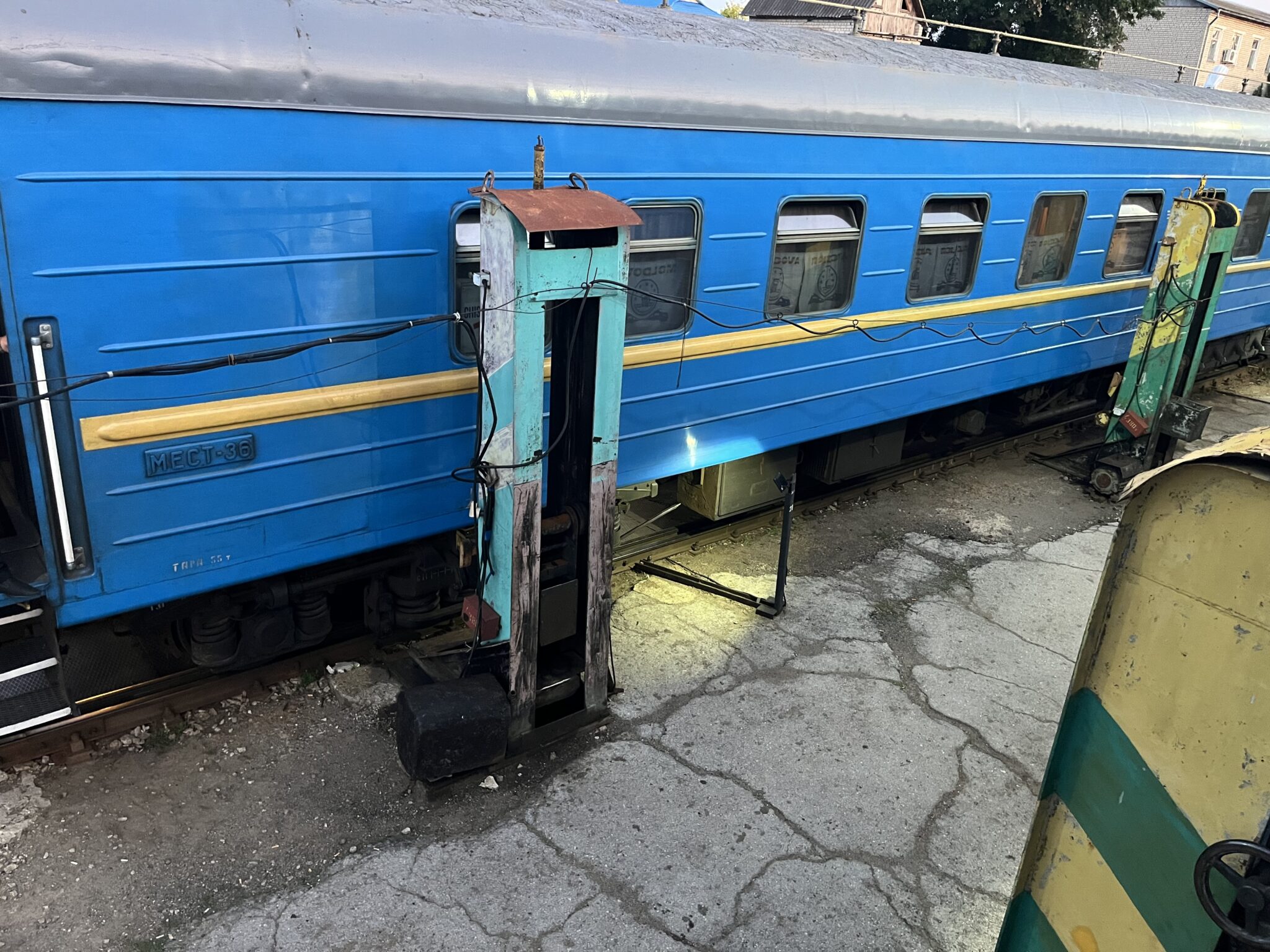
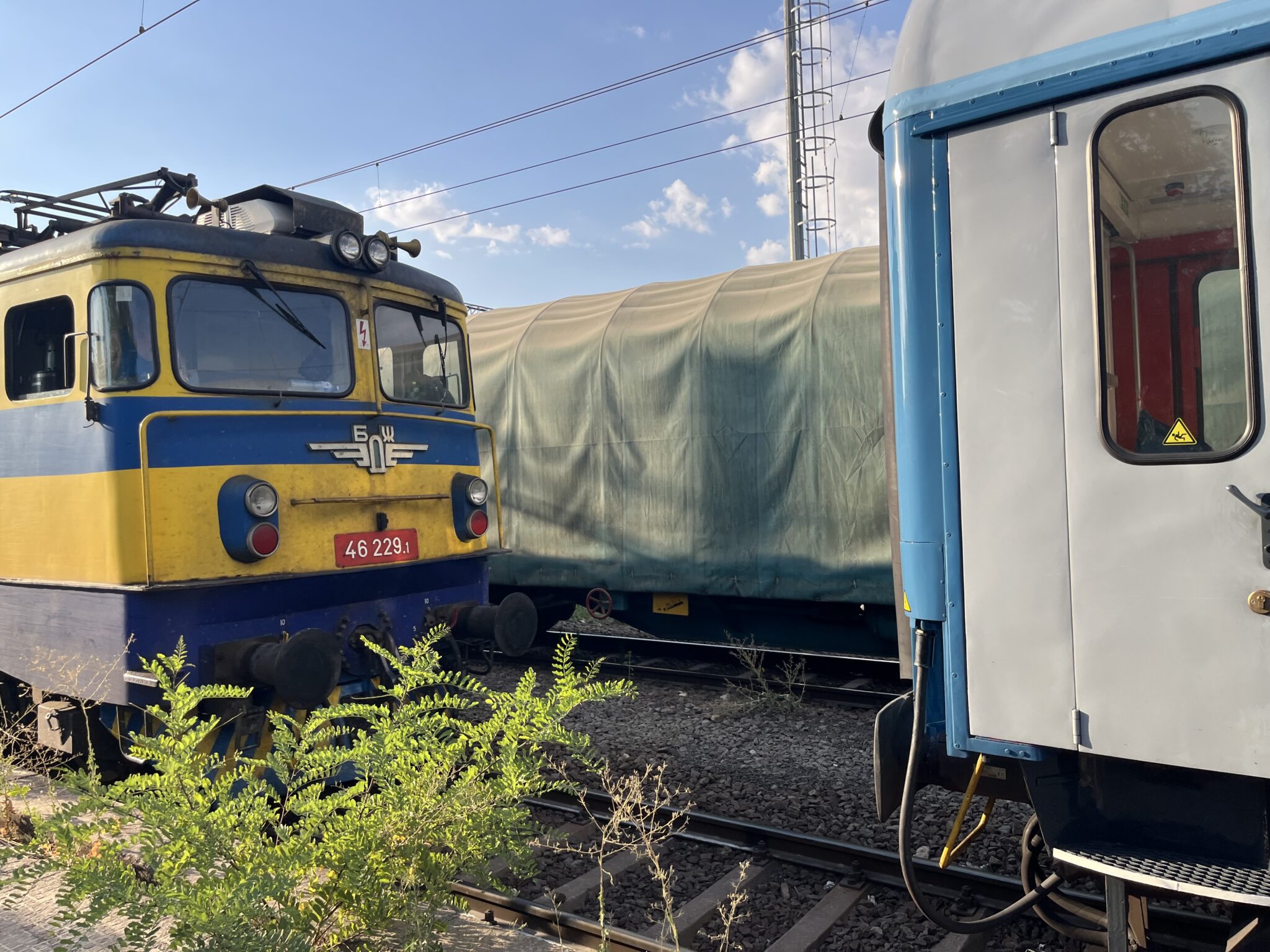
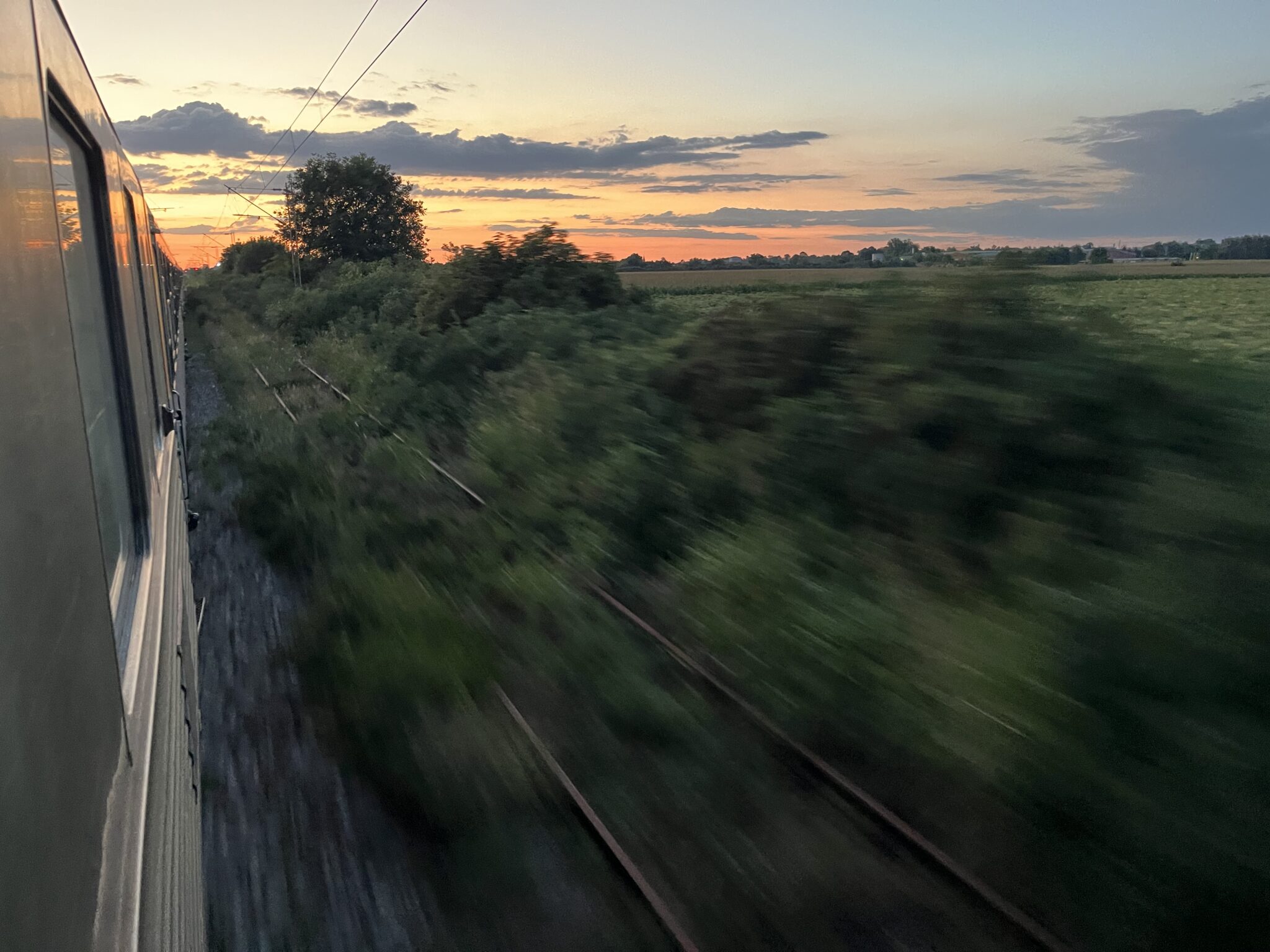
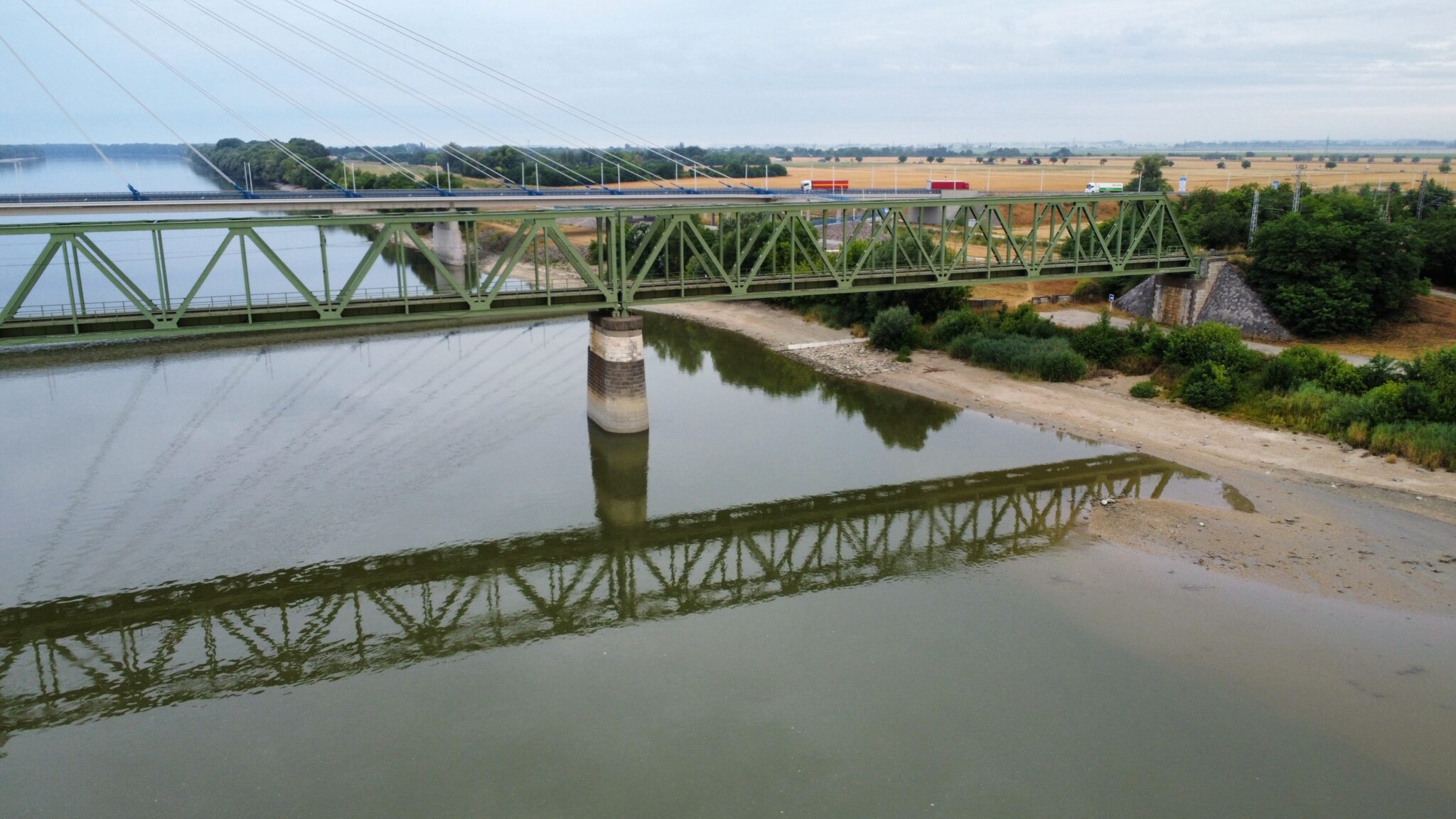
View from open window of Reblaus Express, AustriaSelfie with the LAA BOMBA at Laa/Thaya, AustriaArriva DMU at Myjava, Slovakia (train arrived from Czechia)Birdy at a border road junction Hungary-Slovakia, near TornanádaskaThe cranky Tisza ferry, near Záhony, HungarySpeedy reactions from the driver of this MÁV railbus prevented any sheep being injured!End of the line at Zajta, Hungary – the line used to continue to RomaniaHungary-Romania border, near Carei, Romania – now Romania is in Schengen I could push my bike past the barrierNew tracks being laid between Biharkeresztes, Hungary, and Oradea, Romania (this is on the Romanian side of the border)Dual gauge track at Sighetu Marmației, Romania – only standard gauge currently usedNight train arrived at Sighetu Marmației, RomaniaOpen window on the line from Sighetu Marmației to Beclean pe Someș, RomaniaLipcani, Moldova – impeccable little station, no passenger trainsSoviet Bus Stops! Moldova has a lot of them – this one in Ghioltosu in the south westBasarabeasca, Moldova – here too no passenger trains, but important for good transport to UkraineTiraspol, Moldova – the best railway in the country is Chișinău – Tiraspol, but due to the tensions between Moldova and Transnistria no passenger trains run here currentlyBroad gauge bogies replaced with standard gauge ones at Ungheni, Moldova – while passengers stay on board#CrossChannelRail exclusive – at Dobrich, BulgariaBDZ locomotive is connected to the Optima Express at Kapıkule, Turkey – border station to BulgariaSun setting as the Optima Express approaches Šid, SerbiaHungary to the left, Austria to the right – industrial cross border line on the edge of SzentgotthárdCross border line Szentgotthárd, Hungary to Mogersdorf, Austria – electrified only on the Hungarian sideAustria – Hungary border stone beside a hut – at Szentgotthárd – MogersdorfFreight trains at Hodoš, Slovenia – border station to HungarySilo at Negru Vodă, Romania – the track in front of it is not in use and runs to Kardam, BulgariaBorder bridge at Fălciu, Romania – Moldova is on the other side of the river. While the bridge is being repaired, it is not obvious how cross border service will work as the line Romanian side is out of use for about 30kmA long-gone cross border railway line – the small bridge here at Gura Putnei, Romania, is at the start of the line that used to go to UkraineAnother border, same story – between Slovenské Nové Mesto, Slovakia, and Sátoraljaújhely, Hungary there is a railway line – but it is not electrified (even though main lines both sides are), and there are no passenger trainsThe rail bridge from Komárom, Hungary (left) to Komárno, Slovakia (right), with the road bridge behind – only freight trains use this bridge over the DanubeCzechia (top) – Austria (bottom) border between Laa/Thaya and Hevlín. A railway line used to run here where the densest trees can now be seenThe lake at Reschen, Süditrol, Italy – campaigners want to build an alpine railway here, after the first parts of a railway were constructed a century ago at Landeck on the Austrian sideHorní Dvořiště, Czechia – border station to Austria on the line České Budějovice – Linz. Service is good here, but the line is very slow due to many curves