The #CrossBorderRail method, and a post summer break round up

In the Newsletter this week
Analysis: The #CrossBorderRail method
Bullshit Meter: Arriva NL to run international high speed trains
Good week: Leo Express manages to run to Przemyśl (but there's a catch)
Also a good week: Italy and Austria able to do what France and Germany cannot - getting Alstom EMUs to work cross border
Odd week: An Alstom EMU for DSB finds its way to Romania, and Alstom's headaches persist
Bad week: Moldova - Romania night train conforms to the Eurovision song stereotype
Very bad week: RheinRuhrBahn air conditioning cannot cope at temperatures above 26 degrees
Gadgetbahn of the week: No, a battery tram is not going to work as a train in Moldova
Streisand effect this week: DB stung by Dunja Hayali ZDF documentary
Photo of the week: Old Preußische Ostbahn HQ in Bydgoszcz
Elsewhere this week: Caledonian Sleeper on Green Signals
Calendar: Connecting Europe Days, 28 September to 1 October 2026
Newsletter 025, Friday 14th August 2026.
Subscriber-only newsletter, sent every Friday at 14:00 CET.
First newsletter after a summer break, hence format somewhat different from previous editions!
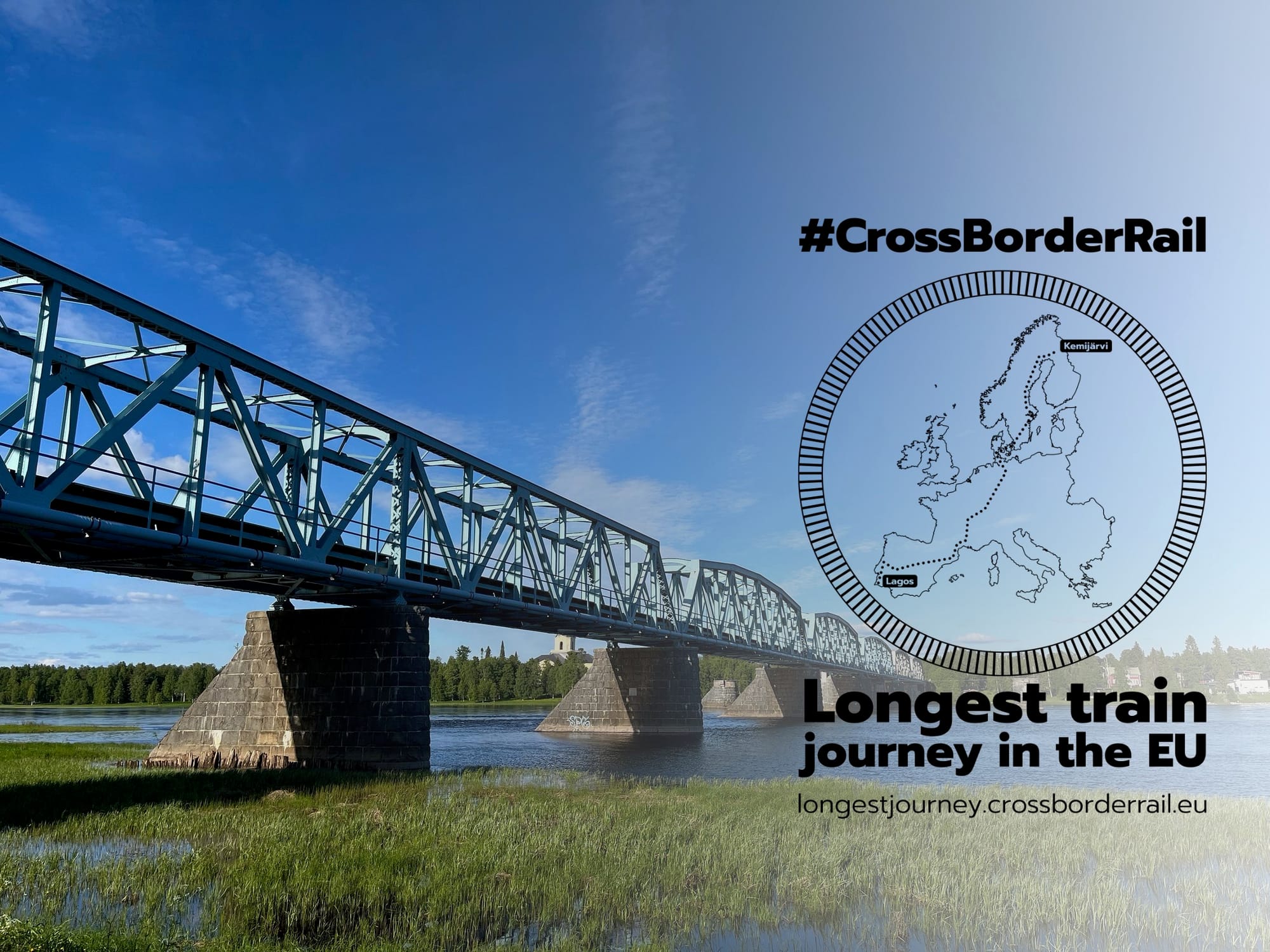
7th September I will start the record attempt - Longest train journey in the EU. Find out about the project here!
The #CrossBorderRail method
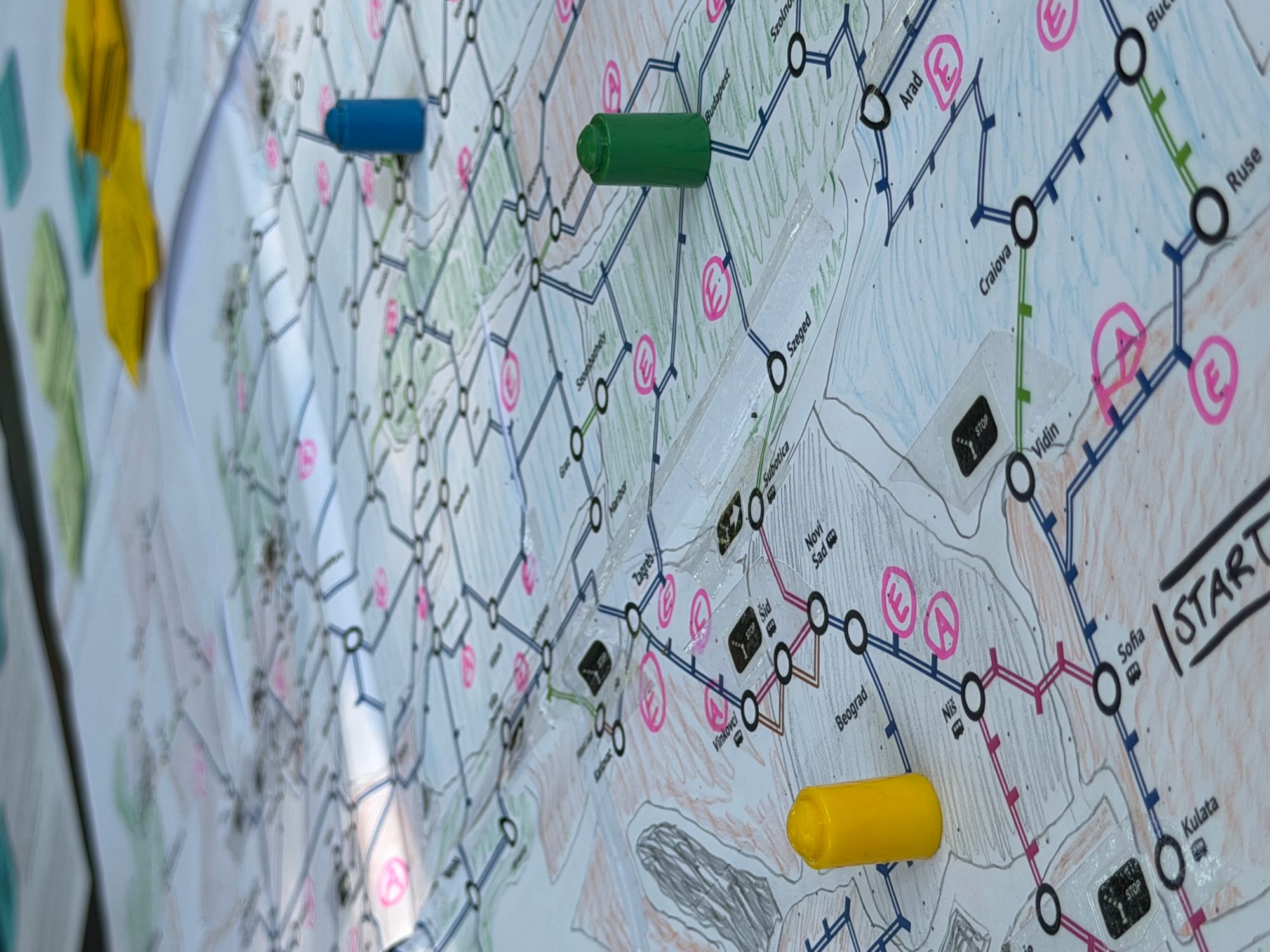
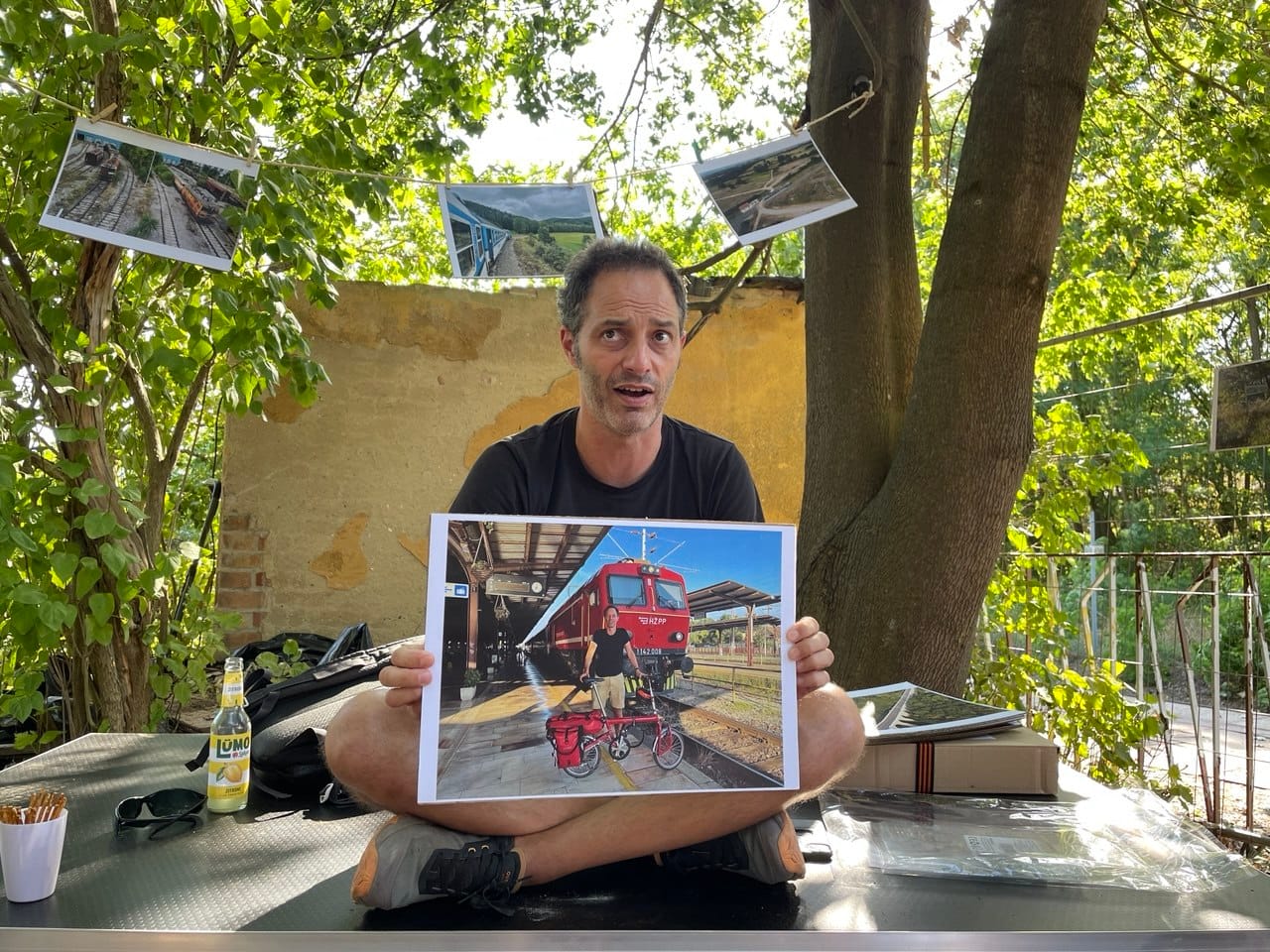
I am back at my desk after a long Interrail trip around the Baltic Sea that was mostly a holiday. But the reason I went that way was to make a speech at a festival near Loviisa in Finland run by a friend of mine where I presented my #CrossBorderRail project - the slides for that presentation are here.
But the discussion following my speech prompted some further thinking that ultimately has resulted in this analysis piece. Most of my presentations are about what I am doing, and what I learned from it or others could learn from it.
Seldom have I stopped to ask: why am I doing things this way?
Or, in other words: what is my method?
So here is a first go at articulating the method. This applies most definitely to #CrossBorderRail as a project, and mostly to what I do here with my newsletter and wider commentary on this site.
- Focus only on rail
Is flying too cheap? Should there be tax on kerosene? Should Flixbus pay tolls on the German Autobahn? All valid questions, and ones I personally have sympathy for. But too many people in the railway industry are great blamers - ah, you see, everything would be fine on the railways if only we had the advantages others have! But while you point the finger at others, you then do not put right what you can put right. So my focus is always what railways can fix on their own terms. - Highlight what’s fixable, not necessarily the highest profile problems
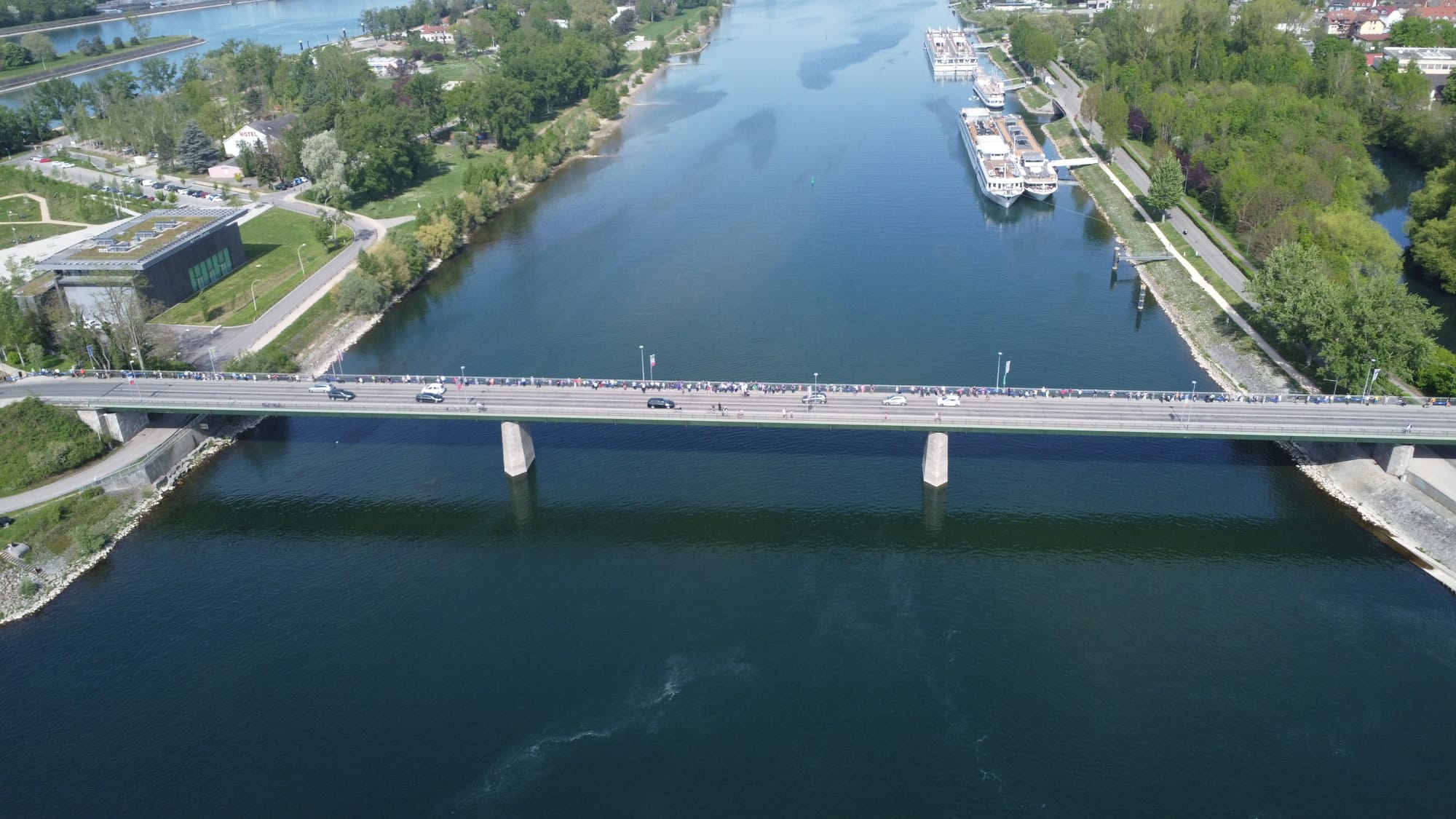
The missing link Freiburg 🇩🇪 - Colmar 🇫🇷 (OpenRailwayMap) is one of the best known international missing railway lines. But it is also one of the hardest to fix, as it needs a new railway bridge across the Rhein at Breisach, where the road bridge (complete with human chain demo!) in this photo is located. I will instead seek to solve problems that are cheaper and easier to resolve, like Turmantas 🇱🇹 - Daugavpils 🇱🇻 (OpenRailwayMap) or Valenciennes 🇫🇷 - Quiévrain 🇧🇪 (OpenRailwayMap). More of these can be found in my list of Priority Borders.
- Universality of problems
The problems with Europe's railways, both cross border and national, are universal - lack of funding, poor coordination, outdated infrastructure. The issues at Tornio 🇫🇮, Ormenio 🇬🇷 and Badajoz 🇪🇸 are all quite similar. But most of the challenges have been overcome by someone, somewhere - and if we are willing to learn what works, and apply that elsewhere, we can start to make some progress. - Determinedly set limits
I might have been born in the UK, but I last lived there 14 years ago. I do not know enough about UK rail to comment on it, with the exception of the Channel Tunnel (which is international after all!) I am also regularly contacted by journalists to comment on rail safety and accidents - I will always turn down these requests as I have no idea about that area at all. - No bullshit
I struggle to find quite the right words to describe this, but there is a sort of "we'd like a nice new shiny train, so we'll set aside our critical faculties" problem in the coverage of many rail topics. Sure, I too would like an Edinburgh - Paris night train, but we are not going to get that. The problems are too complicated to surmount. I am not going to praise something unworkable, just because I would like it to happen. And I have a whole series - the Bullshit Meter - calling out the stench coming from elsewhere. - Turn over a hundred stones
When developing a campaign for a NGO you are supposed to have a theory of change. And the problem is, looking back at now more than four years of this work, it is hard to articulate what that would have looked like. In a few cases, most notably when it comes to sharing of timetable and ticketing data between operators, and coordination of timetables on the Vilnius - Rīga - Tallinn route, I have been able to help make change happen. But I cannot know before I go somewhere, before I diagnose a problem and propose a solution for it, whether that solution will work or if anyone can act on it. So this has become the method - keep on turning over stones, until you find the one with something good hidden underneath it. - Go and visit the places
"Come and visit us in Überherrn," the determined Erhard Pitzius told me in an email. "We will show you re-opening the line to Falck makes sense." And he was right. You can only make sense of this, and many other problems, by going there and seeing it for yourself (this is on OpenRailwayMap). Indeed one of my criticisms of the Michael Cramer Missing Links work that was the precursor of my own investigations was that some of the chosen projects had obviously not been visited by him, because had he gone there he would not have included them! - Stay as independent as possible
My railway work is crowd funded and subscription funded. That means I am not in the pocket of either the railway industry, or any government body. Yes, this means it is painful when I look at my bank balance, but my independence matters to me a lot, and it is central to building trust. - Build solid working relationships with individuals
While my independence is vital, that does not stop me talking to plenty of individuals in the railway industry and in government administrations as well. I know the rules - what is said off the record stays off the record. And importantly I can understand why railway executives do what they do, and I can respectfully criticise them for that if I see it as against what passengers might need, and - with the good people - at a human level we can all still get along. - You have to be a bit crazy
On the initial #CrossBorderRail tour I crossed every internal border of the European Union you can cross by train. That was crazy enough as an idea to get quite some media coverage (New York Times, Spiegel, Die Presse), and then allowed me to talk about the serious points I wanted to discuss. It is the same with the Longest journey project - things will go wrong, lessons will be learned, but the crazy idea makes the whole thing compelling.
Bullshit Meter: Arriva NL to run international high speed trains
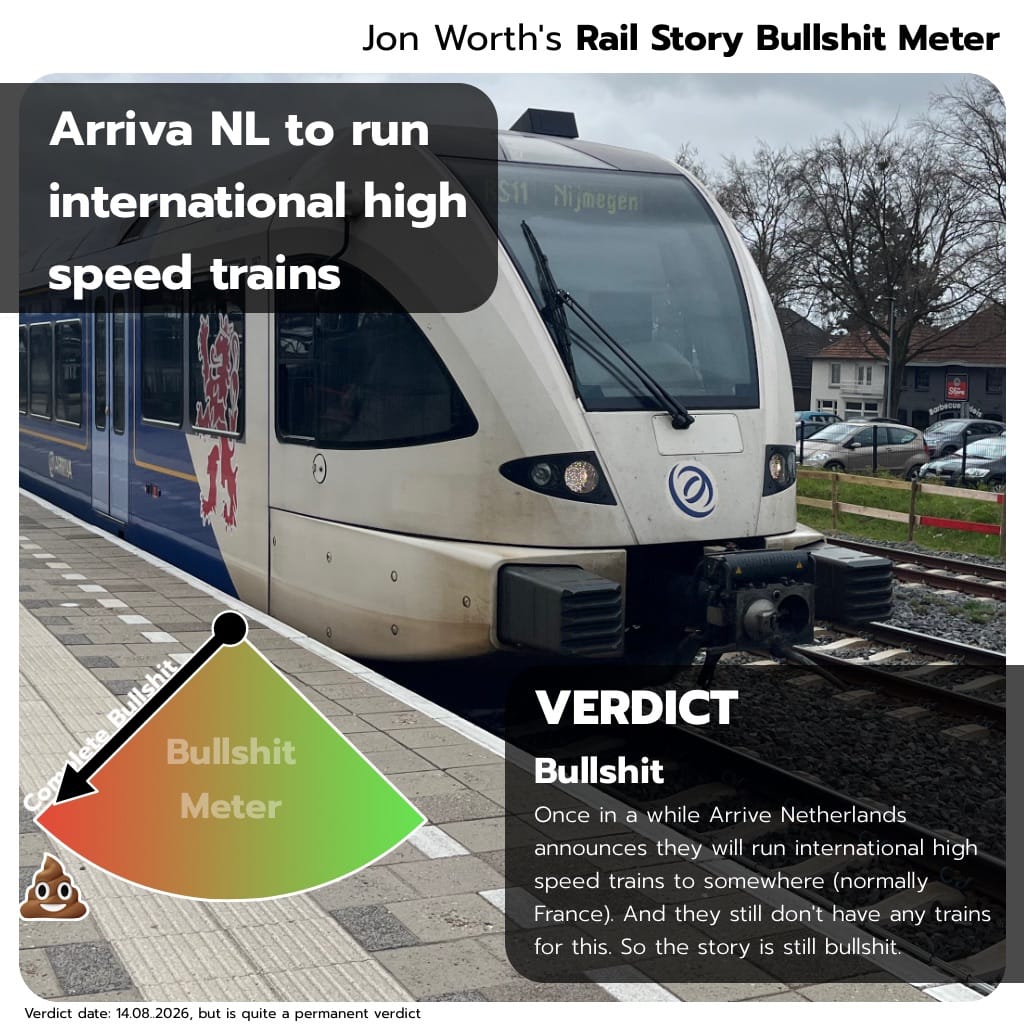
Here we go again.
Arriva NL wants to run direct trains from Netherlands to France, as reported by De Dagelijkse Standaard (this week) and Treinreiziger (in July), and maybe from 2028.
Yet in 2023 they said they wanted to do the same, from 2026.
Then, as now, they have no suitable trains for international service. And no prospect of getting any either.
So judge any pretty much any international plans of Arriva NL as bullshit until they have any trains to run.
All previous Bullshit Meter posts can be found here.
Good week: Leo Express manages to run to Przemyśl (but there's a catch)
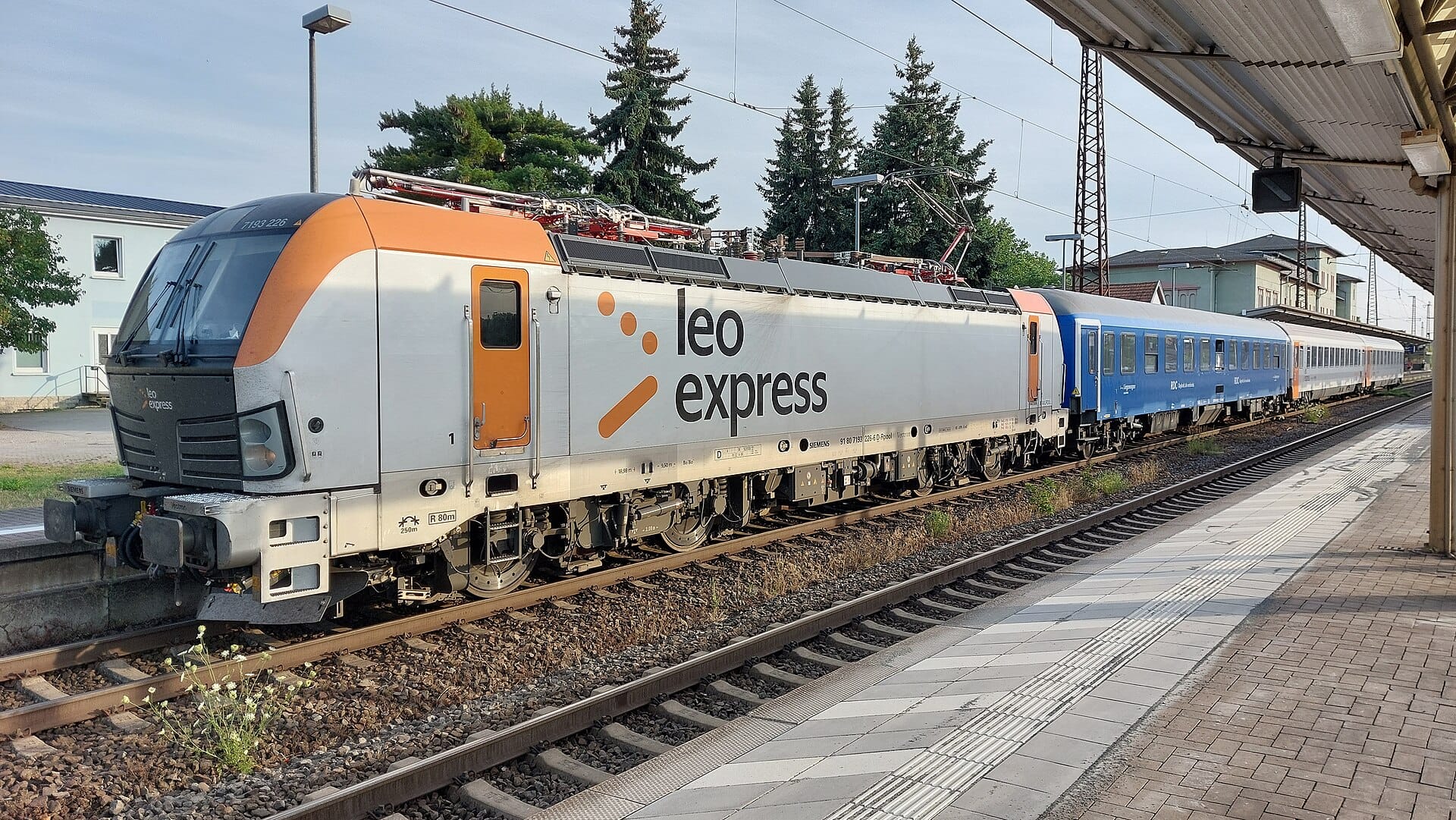
So they finally did it. Leo Express, the Czech startup now with deep pockets thanks to investment from Renfe, has managed to get its night train to run all the way from Frankfurt (Main) 🇩🇪 to Przemyśl 🇵🇱. Details from LOK Report here.
The train makes 45 stops, takes 20 hours 22 minutes, and covers a rather peculiar route via Dresden, Praha, Bohumín and Kraków.
But oddest of all is the train itself: it runs with just 3 carriages - 1 couchette, 1 first class ex-DB seating carriage and 1 ex-DB second class carriage. More on Vagonweb here. As all of Leo's Talgo trains are out of service for their daytime long distance services, I presume carriages foreseen for Frankfurt (Main) - Przemyśl are instead used as Talgo replacements, leaving this short and surely heavily loss-making service.

Also a good week: Italy and Austria able to do what France and Germany cannot - getting Alstom EMUs to work cross border
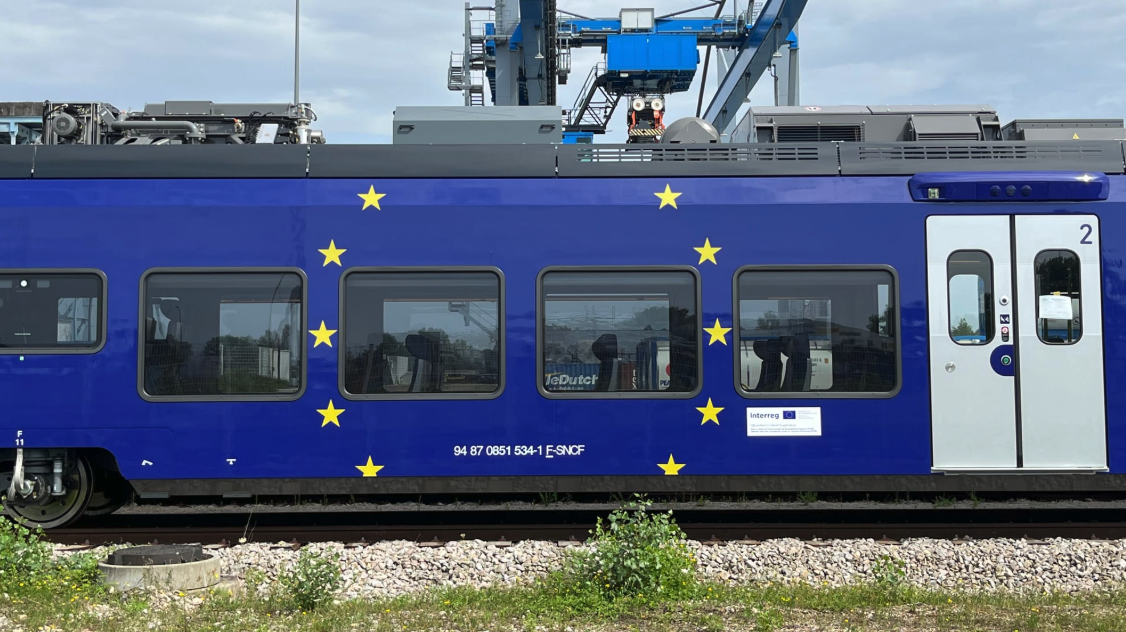
It is one of the longest running and most annoying cross border rail sagas - France and Germany have procured 30 Régiolis EMUs to operate cross border services, yet at the moment these trains only run a handful of services between Offenburg and Strasbourg (October is now theoretically the date when all trains on that line should be this type). This is a good two years after these trains were due to be running on at least four lines.
And yet at another border - across the Brenner between Austria and Italy - the introduction of very similar trains is proceeding smoothly. The Coradia EMUs to be deployed there are from the same family as the Régiolis, albeit built by Alstom in Italy as opposed to Alstom and then CAF at Reichshoffen.
Amazing what you can do when political relations are good, and operators either side of a border get along with each other!
Odd week: An Alstom EMU for DSB finds its way to Romania, and Alstom's headaches persist
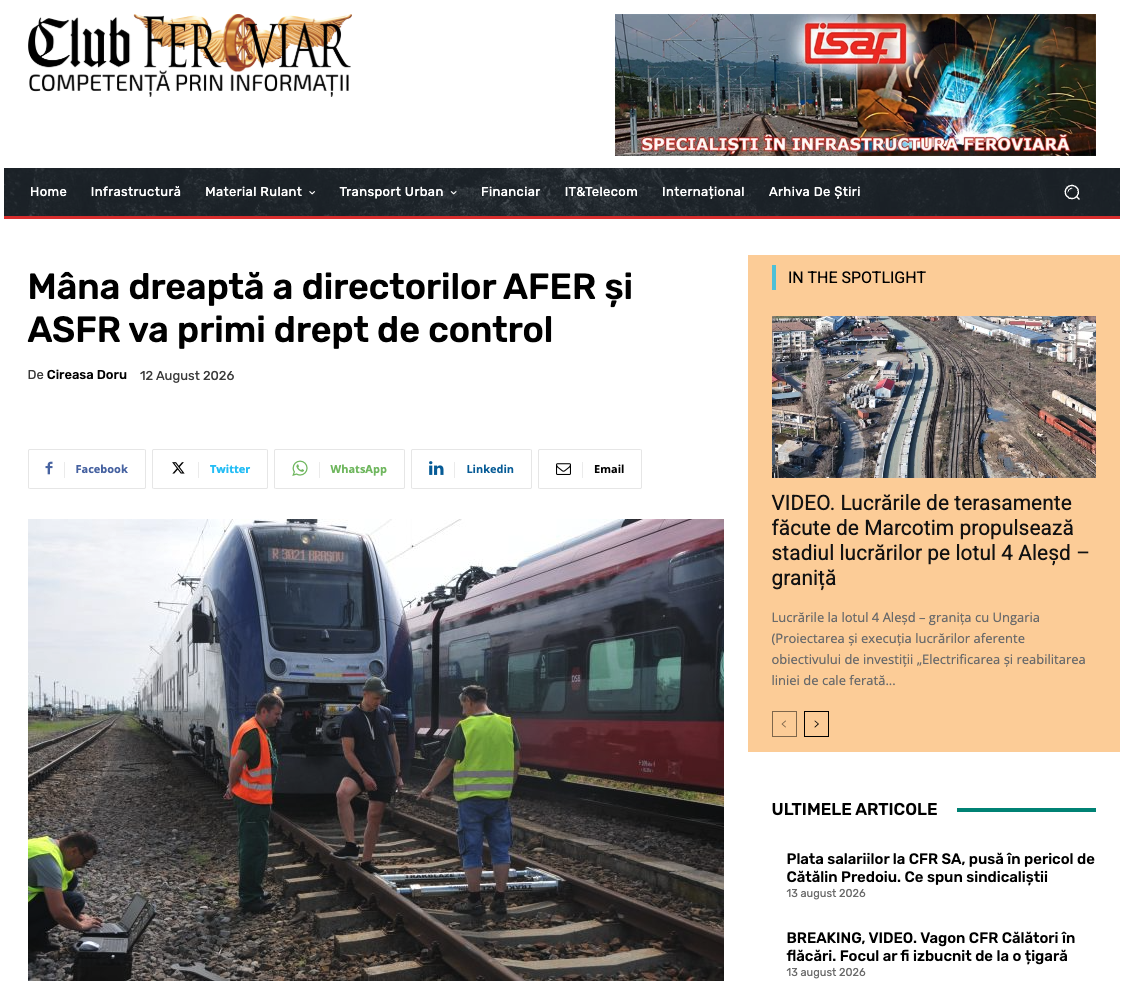
Research for this newsletter leads me to some strange corners of the internet for railway people, and one of those is the Romanian website Club Feroviar. And my eye was drawn to the red train in the right of the featured image.
What is a Alstom built IC5 EMU for Denmark's DSB doing in Romania? These trains are built in Salzgitter, Germany.
That is surely the strangest place a Danish train has gone since Ansaldo Breda sent a train foreseen for DSB to Ghaddafi in Libya (really).
You can see more pictures of the DSB EMU here and here.


The location is the test track Făurei (OpenRailwayMap), and it turns out Talgo is testing Spanish built locomotives for DB there too (pic 1, pic 2).


The problem? Delivery of the Alstom IC5 EMUs is now pushing up towards 3 years - services were meant to start in December 2024, then December 2026, and it will now be earliest sometime 2027. Maybe some extra tests in Făurei can help.
Meanwhile Alstom is also struggling with deliveries of locomotives to Romania - the new TRAXX has compatibility problems when switching from legacy signalling systems to ETCS. Oops. But every Alstom train being delivered is the norm by now.
Bad week: Moldova - Romania night train conforms to the Eurovision song stereotype
Zdob şi Zdub & Advahov Brothers - Trenulețul might have been a catchy Eurovision song, but the part where the guy is not smuggling something in the carpet in the music video is too on the nose.
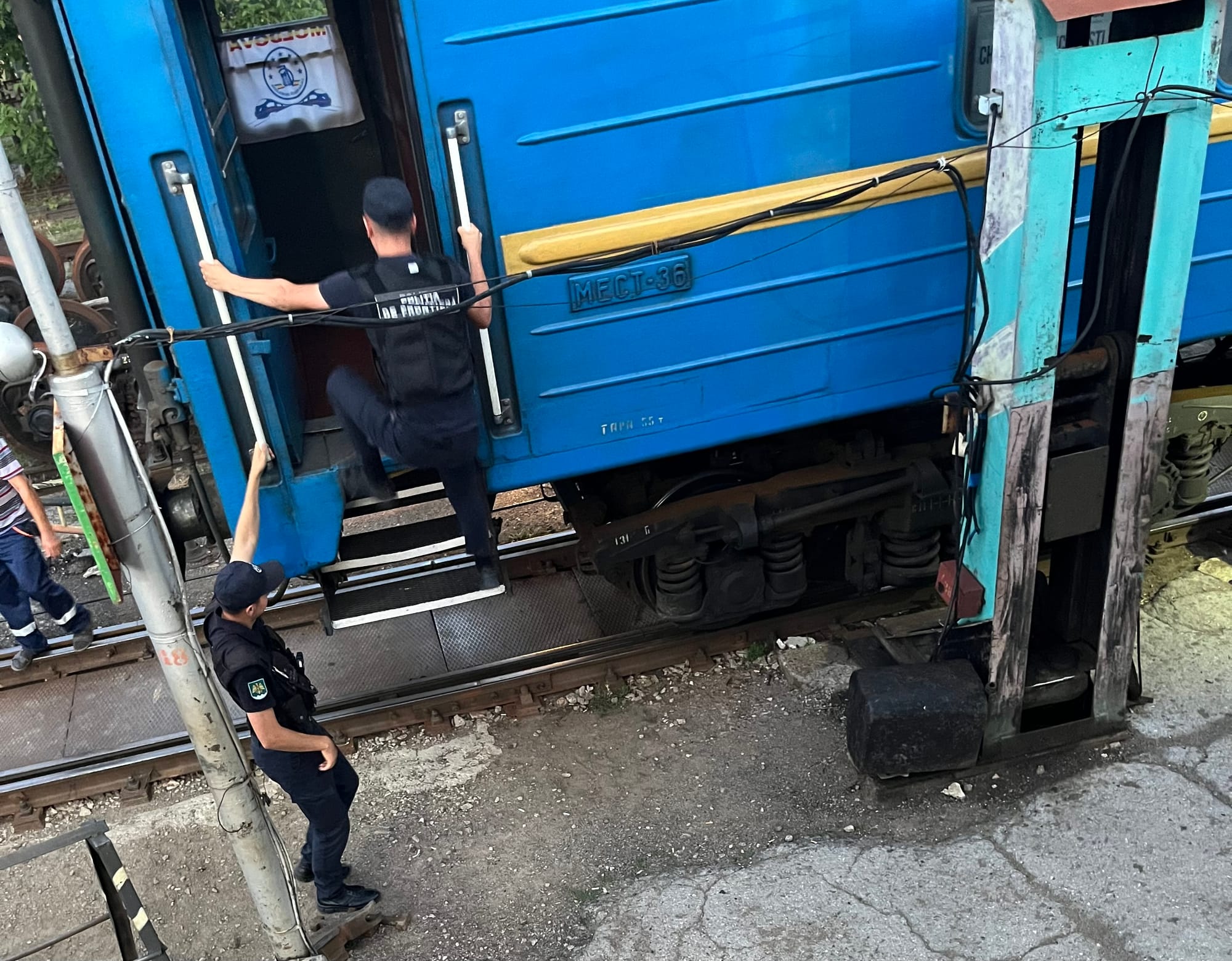
Not least now as a cigarette smuggling ring as been discovered that used the Moldova - Romania night train to smuggle more than 6 million cigarettes.
Well, more precisely make that 5 million, 900 thousand. The rest were smoked by frustrated passengers waiting for the carriages to be hoisted at the gauge changer in Ungheni.
Very bad week: RheinRuhrBahn air conditioning cannot cope at temperatures above 26 degrees
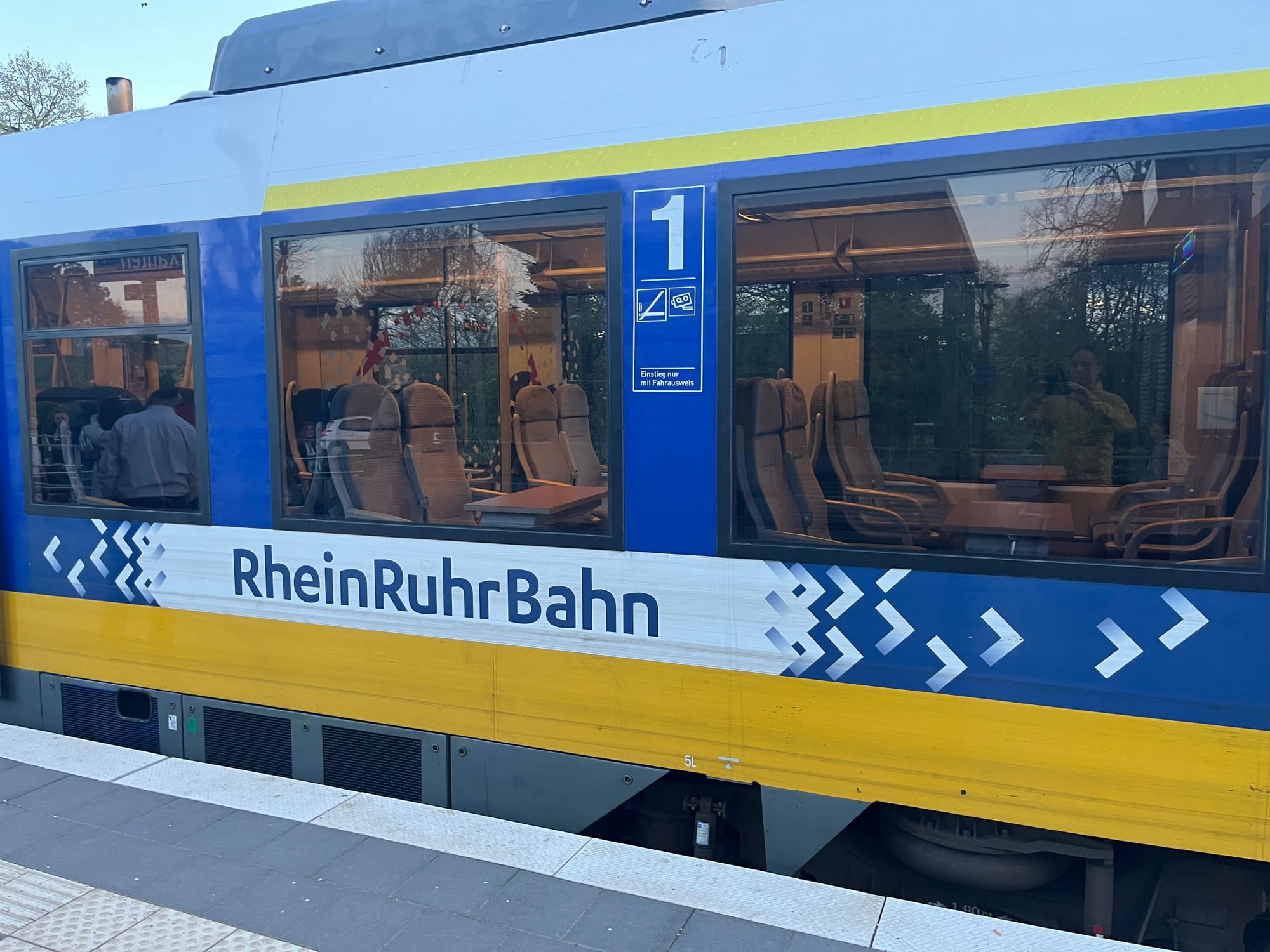
Old trains, poorly maintained, and built for another era - RE14 trains operated by RheinRuhrBahn between Essen and Coesfeld have been cancelled because the air conditioning cannot cope with temperatures above 26 degrees. Given the current series of temperatures above 30 degrees that's... problematic!
Gadgetbahn of the week: No, a battery tram is not going to work as a train in Moldova
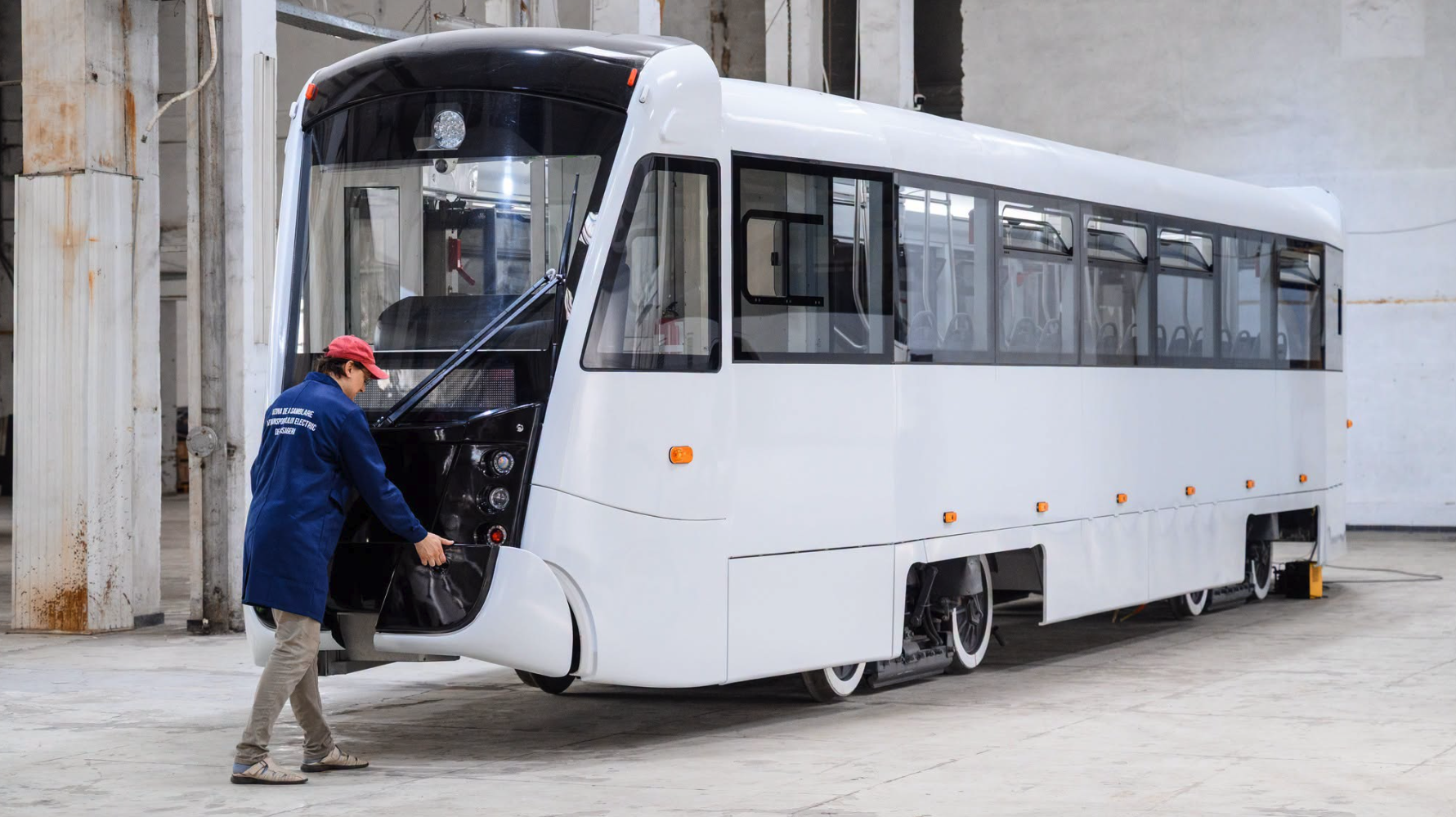
Moldova has probably the second worst railway network I have tried in Europe (only Albania is worse), and one of the problems is a chronic lack of rolling stock - anything Soviet-era is 40 years old, and the Ukraine war and sanctions on Russia makes getting spare parts hard.
Enter InformBusiness, a Chișinău based company, that has come up with the idea of putting batteries in a Tatra T3 tram and to let that loose on heavy rail lines. LOK Report has more in German here. Sure, it might be able to cover 400km on a charge and run at 75km/h, but there are two problems: other trains, and the track.
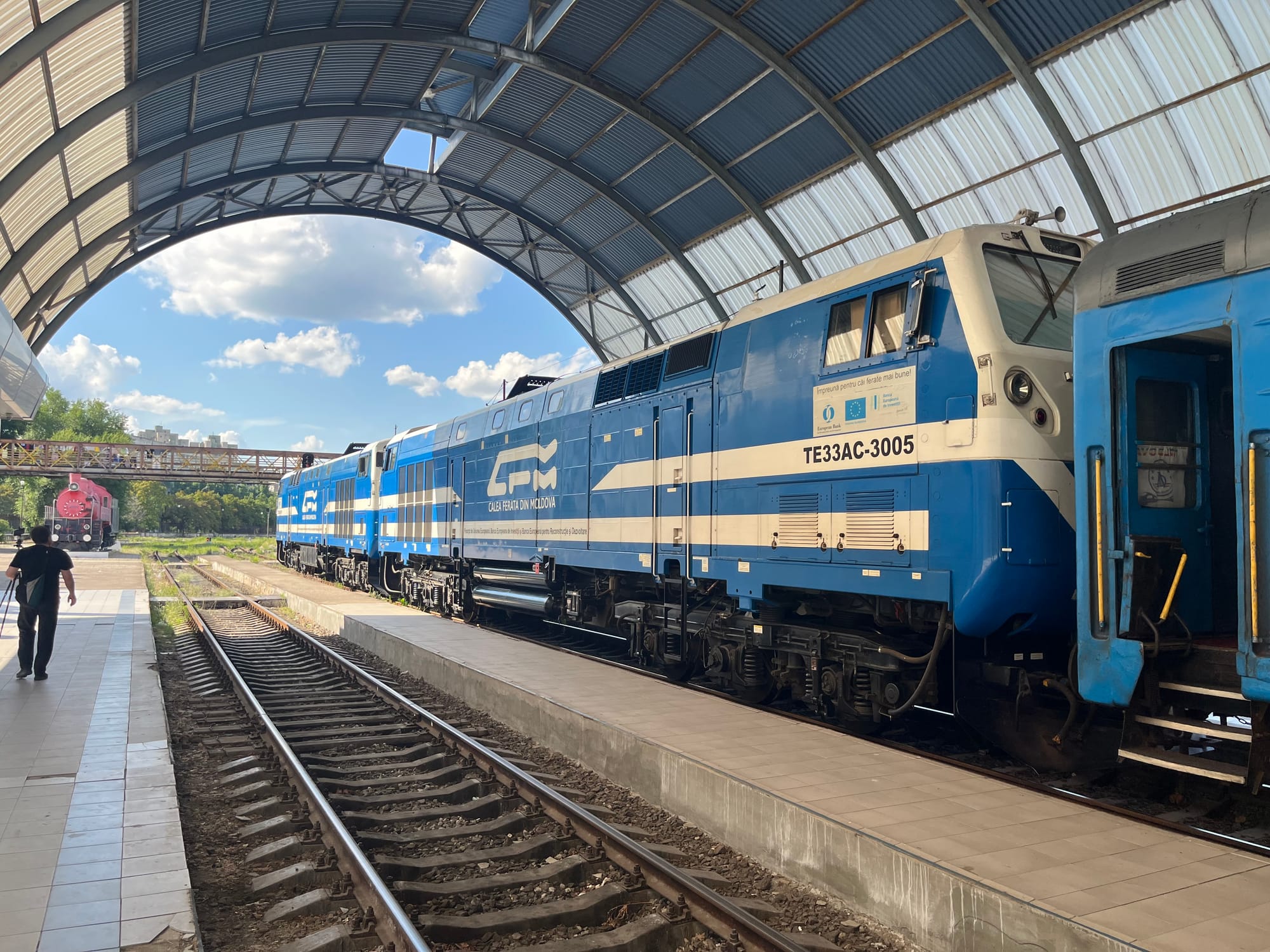
This is what the other trains look like in Moldova. If one of those collides with a railbus, good luck to the passengers in the railbus!
And the other issue? The track. Almost everywhere in Moldova the track is in a bad state, leading to a very bumpy ride and slow speeds, even in regular trains with proper suspension. I dread to think what the ride will be like in a converted tram!
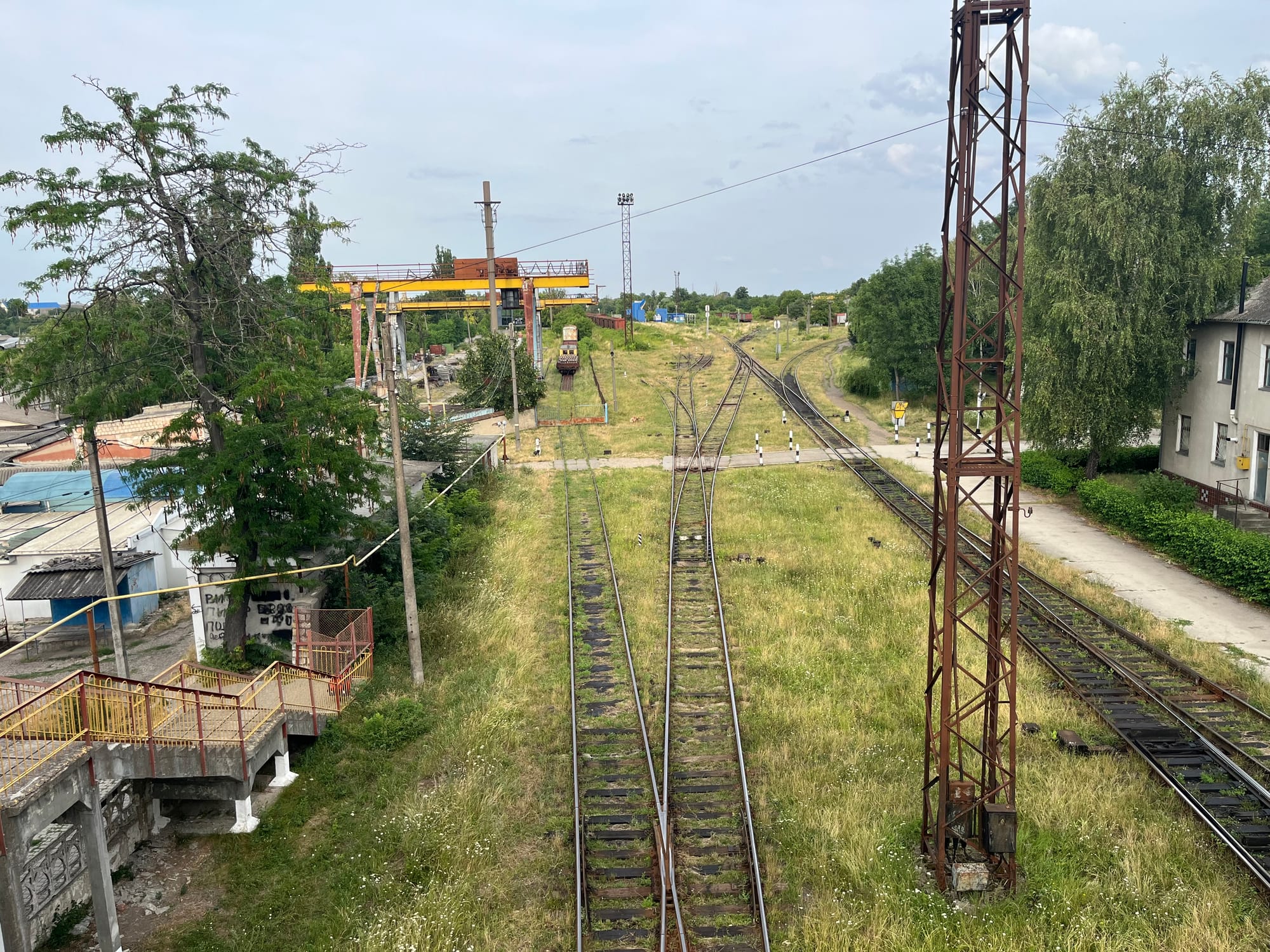
So I am sorry, I cannot see this tram converted to run on batteries in any way being a viable option.
Streisand effect this week: DB stung by Dunja Hayali ZDF documentary
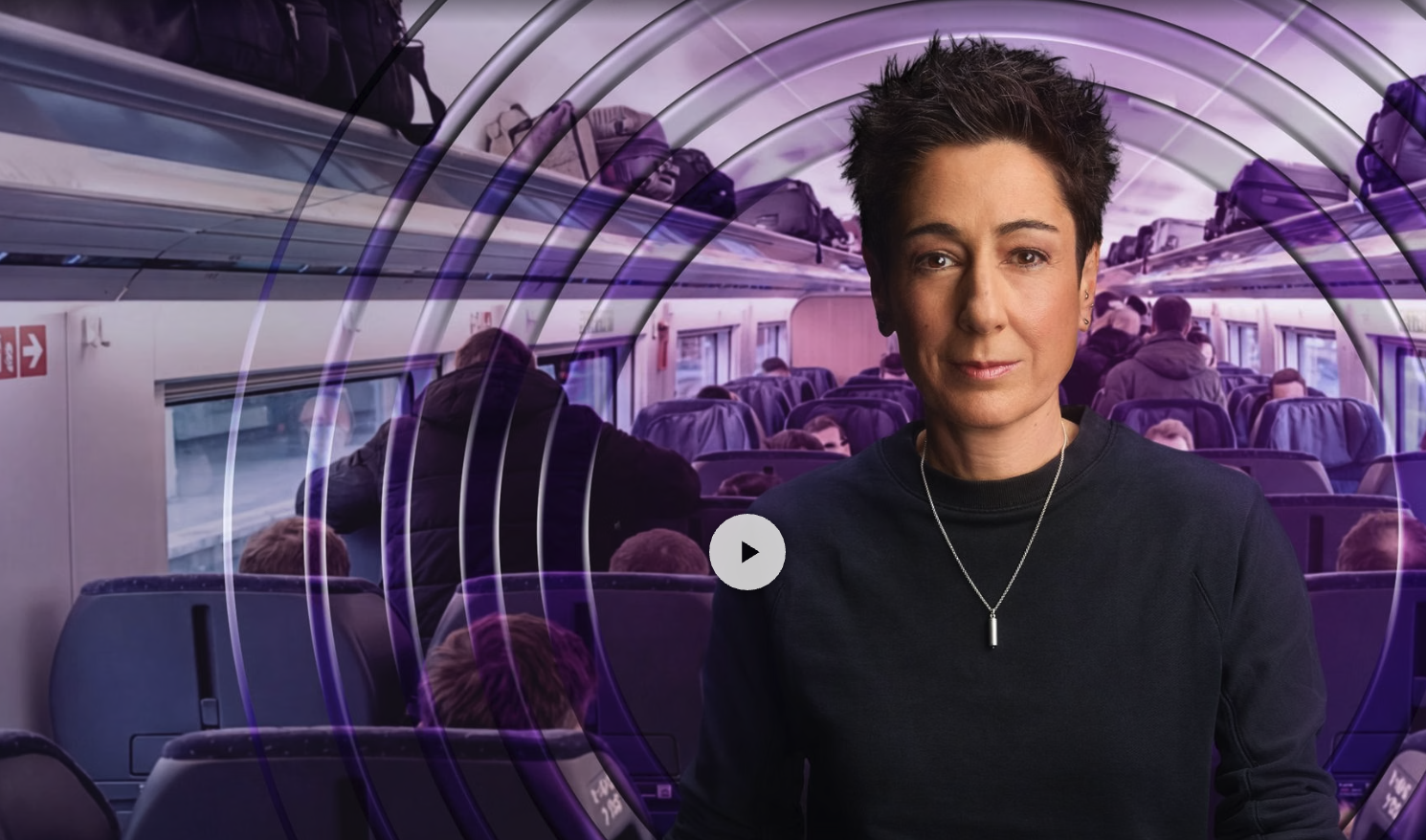
A German TV documentary - Am Puls mit Dunja Hayali - Unsere Bahn: geliebt, verflucht - gefährlich? - has been the talk of the railway community in Germany over the summer, and this week I finally watched it. It's on ZDF's website here and it is not geo-blocked. Deutsche Bahn's reaction was furious (scroll down to the middle of the press page here), even calling for the film to be taken offline.
But honestly it looks to me like DB has created a Streisand effect here. By attacking the programme so harshly they draw attention to their own deficiencies.
And if you actually watch the film it really is not that bad. Hayali is very careful to not attack individual members of DB staff (and indeed praises them), and the critique lands squarely with both management (of the previous regime, pre-Palla) and with poor political decisions in Berlin and a lack of planning and political will to put the problems right.
OK, it lacks a bit of this is what each player should have done, and the comparison with Belgium's roll out of ETCS could have been better framed, and there are a few facts I quibble with. But overall I have seen far worse films about rail topics than this one!
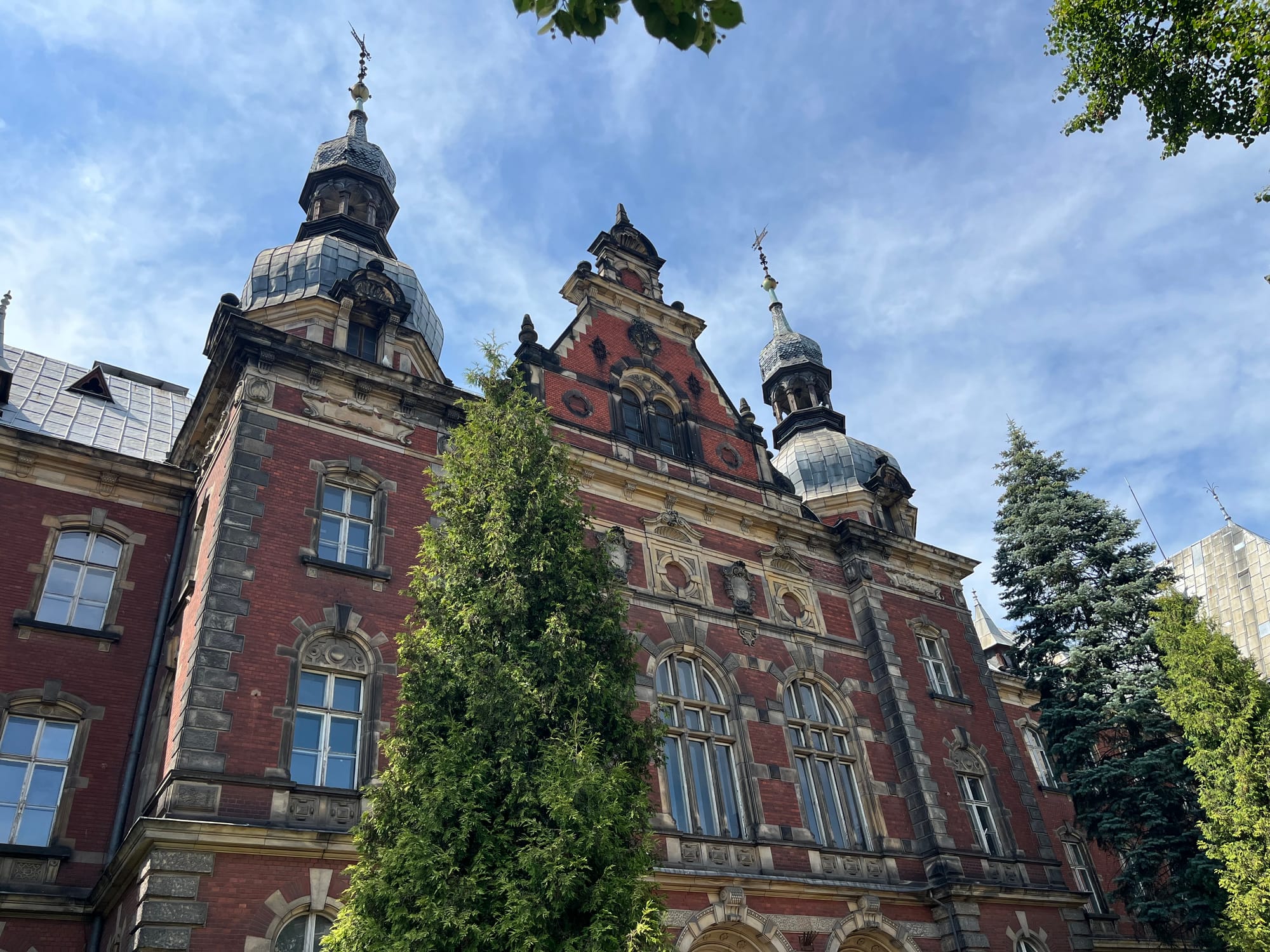
Photo of the week: Old Preußische Ostbahn HQ in Bydgoszcz
As part of my summer Interrail, I travelled most of the length of the former Königlich Preußische Ostbahn. What I learned on the trip will be the subject of an analysis piece in a future newsletter.
The old HQ building in Bydgoszcz (Bromberg) still has some of the faded grandeur of the past.
Elsewhere this week: Caledonian Sleeper on Green Signals
The Scottish Government apparently wants to investigate whether the Caledonian Sleeper can be extended beyond London and through the Channel Tunnel to continental Europe. I am not that convinced. And I was a guest on the Green Signals podcast to explain it - it's here in the longer show, and eventually the whole longer interview will be online too - but was not when this newsletter went out.
Calendar: Connecting Europe Days, 28 September to 1 October 2026
The European Commission's Connecting Europe Days are back - the event is taking place 28 September to 1 October 2026 in Bruxelles, with 29 and 30 September the main public days. Registration is free. I am on a panel about rail ticketing on 30 September.
If you would like to stay up to date with what I am doing, there are public calendars to which you can subscribe: Jon Worth - Speeches and Events ICS | Jon Worth - Travel ICS | Jon Worth - Other Rail Dates ICS And if you'd like me to speak at an event or run a workshop, contact me about that.
Photo Rights
All photos by Jon Worth, except Leo Express Frankfurt (Main) - Przemyśl in Naumburg - Sladen, Own work, CC0, 13 July 2026.
Bullshit Meter images always have photo rights listed directly on the image.