State railways, what's wrong? CER's perplexing response to the European Commission's Passenger Package

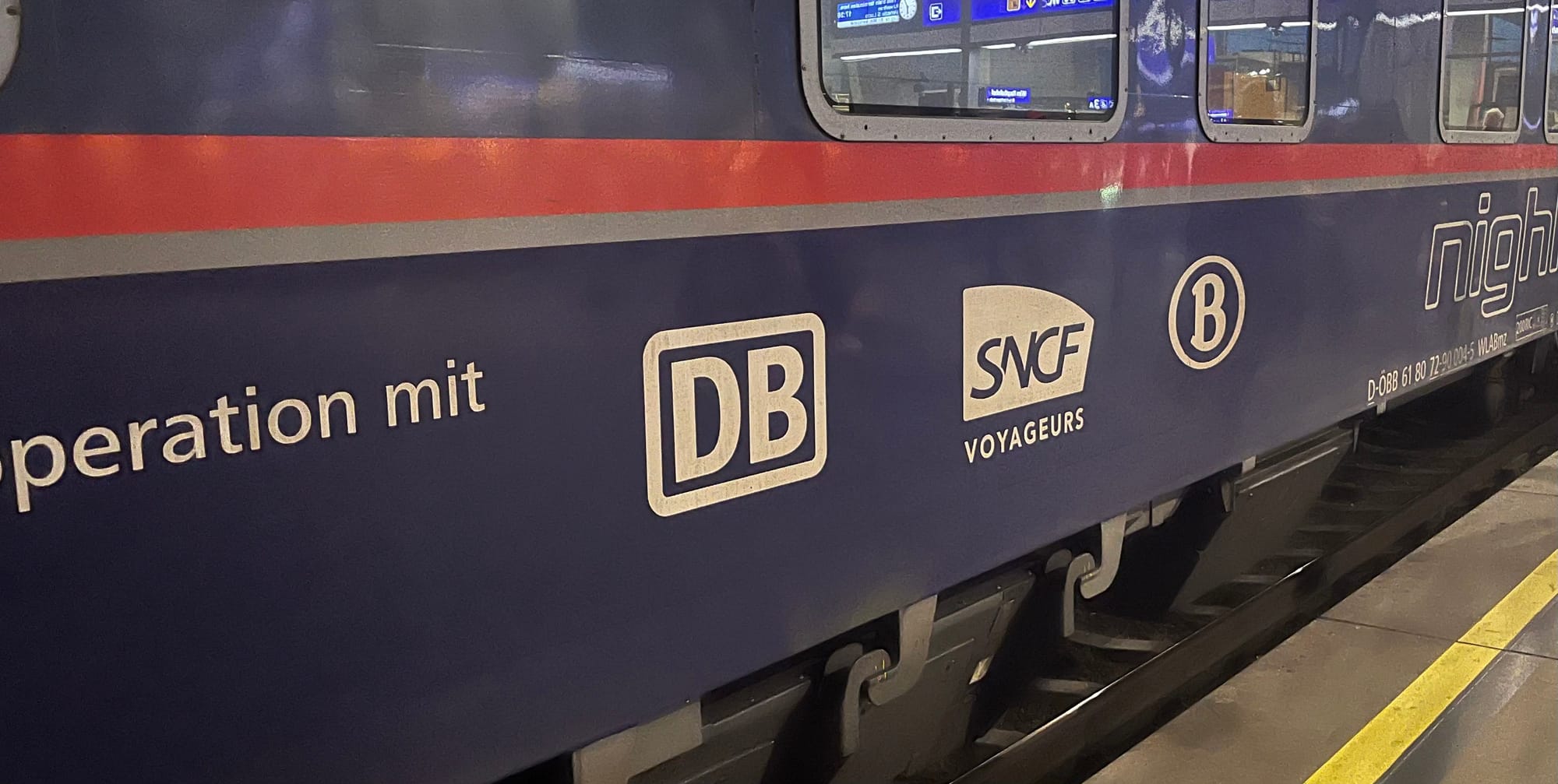
The Passenger Package - three pieces of legislation proposed yesterday by the European Commission mostly to address issues with railway ticketing in the EU - have been a long time coming.
No sooner had the ink dried on the 2021 Rail Passenger Rights Regulation, it was obvious it left many issues unresolved. The German Grüne, among others, put rail ticketing front and centre of their 2024 European Parliament manifesto, that led to von der Leyen taking up the issue in her Political Guidelines and Transport Commissioner Tzitzikostas charged with acting on the issue. And here we are now in 2026 with a legal proposal.
Throughout that period of time, trade body for the state owned railway companies Community of European Railways (CER) has pursued the line: leave it to us, the railway companies, and we will fix the problems. We need no new law! Central to their efforts was the Ticketing Roadmap, an effort to get the state railways onto a shared technical system called Open Sales and Distribution Model (OSDM) that would allow them to better share ticketing data between them.
OSDM is all very well, as far as it goes - it does make data sharing easier, and some railways have made genuine strides forward with it. But the issue is not what you can in theory do with it, but what you are (not) obliged to do.
To illustrate the point, private night train operator European Sleeper that runs in Germany is OSDM compatible, but to this day you cannot buy European Sleeper tickets on DB Navigator (more background on this here). Not because, technically, it would be impossible, but because Deutsche Bahn does not want to do it - politically.
At the same time, state owned railway companies have been holding back the development of third party, independent, rail ticketing platforms by imposing unfair commercial terms on them. Many of the bad practices were documented in this report I wrote in 2024 for Jakop Dalunde. A case about DB's unfair behaviour towards Trainline and Omio has been winding its way through the German courts.
So then this week the European Commission effectively said 'enough is enough' and in the draft Regulation on Rail Ticketing (PDF), part of the package, wants to slap two obligations on railway companies. An obligation in Article 5 on "indispensable railway online ticketing service providers" (think DB Navigator and SNCF Connect) to sell all tickets for all operators in their territory and on international trains starting or ending there, and an obligation to provide content to online platforms (Article 4) on fair and non discriminatory terms (Article 6).
In response CER threw its toys out of the pram.
On LinkedIn CER bemoaned a proposal that "is more likely to benefit non-European Big Tech platforms than to improve cross-border train travel across Europe", and goes on to argue these proposals to make it easier to book train tickets actually benefit the airline industry (no, I don't get it). There's more in the CER Press Release.
The proposals will increase ticket prices, they allege (not seeing that easier booking might actually improve rail firms' bottom line by, well, allowing them to sell more tickets and transport more people), and when something goes wrong they think the liability to reimburse a passenger should land with the ticket seller (who is going to make something like 3% from the sale) as opposed to the operator of the train (who'd have the remaining 97% or so, and is the one whose train has broken in those situations).
And the icing on the cake: the proposals restrict commercial freedom. Say the railway companies that have repeatedly restricted the commercial freedom of third party platforms.
As a friend of mine put it, CER is saying: we do not want to sell anyone else's tickets, we want no one else to sell our tickets, and we do not want to be responsible if anything goes wrong.
Alberto Mazzola from CER then went on to top the lot in this Reuters piece. We need to fix infrastructure first, he argued, and only then should we fix ticketing. Really Alberto, there are dozens of cross border lines in Europe that are in a good state and could easily be used by more trains. Someone has even researched all of them (happy to help you work out which ones you could start with!)
You get the message by now. CER is not accepting this quietly, but their arguments make little or no sense. And the tone is defensive, contorted even. That lets down the state owned railways - some of whom are genuinely good - and that is a serious problem.
Take this non-European tech bogeyman argument for example. Some CER members - notably DB, ÖBB, ČD and SBB - have amazingly good route planning websites and apps, miles ahead of anything third parties (European or otherwise) have developed for train trips. Why the defeatism that state railways must lose this tech battle?
Also the argument about commercial freedom for CER members is twisted too. Either there is commercial freedom in the ticket sales market, and whoever builds the best apps and portals wins - in which case everyone needs a fair data sharing obligation to build those apps. Or there is not full commercial freedom, each country will retain its dominant platform - and hence there should be special obligations on those platforms. But CER is refusing both obligations. That is untenable.
Maybe CER thinks it can torpedo the whole package, can persuade enough national ministers represented in Council to vote it all down. But given rumblings in both France and Germany that rivals' tickets should be shown in SNCF Connect and DB Navigator, that governments immediately agree with their state owned railways' concerns is not a foregone conclusion across the board.
As I expressed in my first reaction to the proposals, I find this Passenger Package both radical and unworkable in its present form, and the undue burdens it places on railway operators is one of my concerns. But unlike CER I am already starting to come up with constructive ways to put the problems right.
A course correction at CER - pushed one would hope most strongly from Frankfurt, Wien, Praha and Roma - is urgently required. The argument against new EU law on rail ticketing has been lost. Now is the time to work out how to make it work as well, simply and cheaply as possible for everyone.