Bundling up tickets and booking horizons: railways are making a problem for themselves

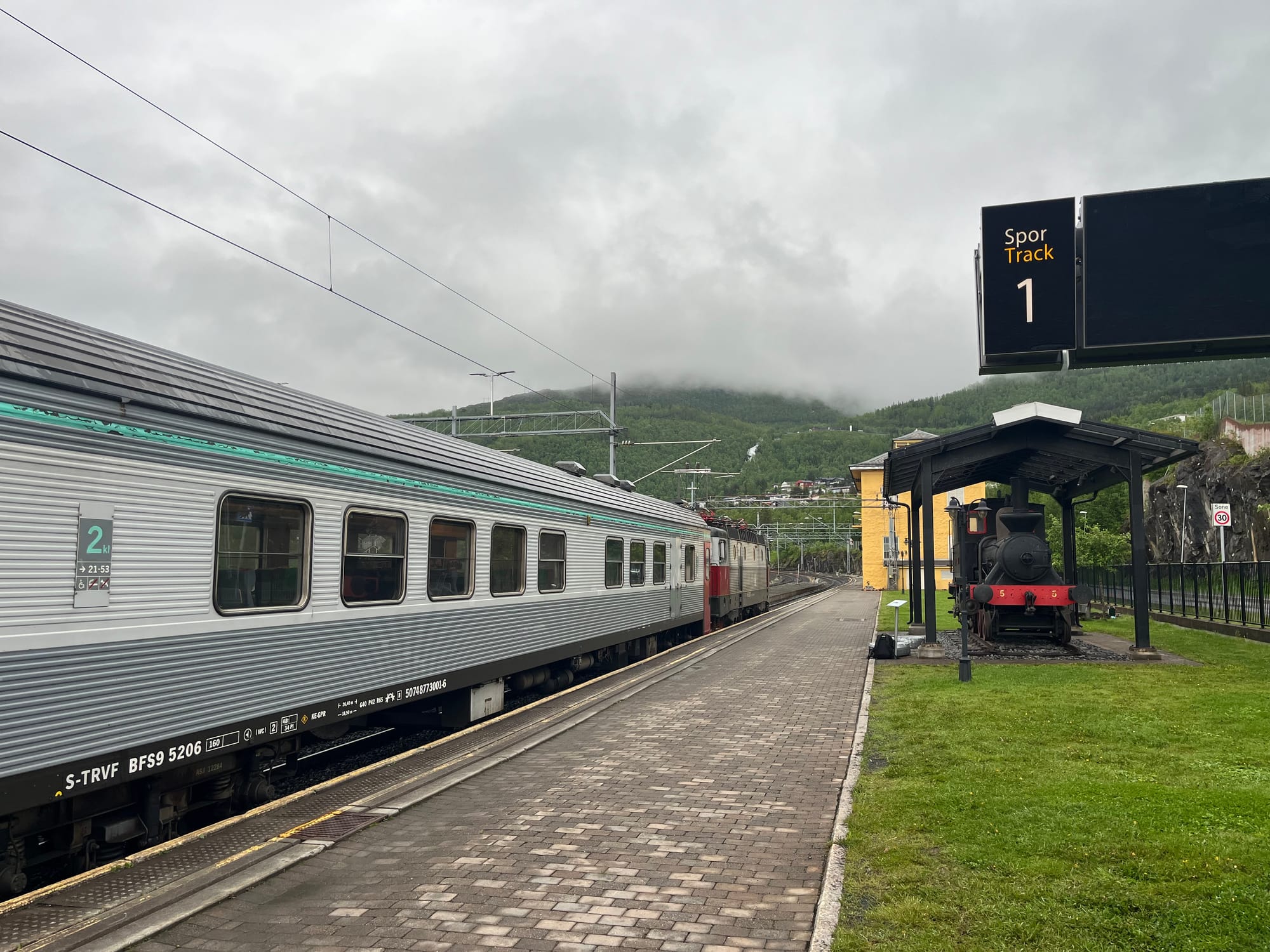
Last summer I faced a peculiar conundrum: the train I wanted to take from Trondheim to Oslo in Norway was already sold out before tickets for the train from Boden in Sweden to Narvik in Norway, an earlier leg of my trip, were even available for sale.
The reason?
Different booking horizons applied by different railways, exacerbated in this case by some engineering works through Kiruna in Sweden.
What is the solution for something like this as a passenger?
Book each leg of your trip separately.
Yes, this is a bit of a pain, administratively, but do that and at least you are going to get the best price for that part of your journey - book it as soon as you can book it.
That of course comes with a problem - separate tickets means no passenger rights currently, and is a core issue that the forthcoming reform of rail ticketing in the EU is supposed to solve.
But here we come to a problematic issue: railway lobbyists are still trying to bend the ear of policymakers in Brussels that in the case of a journey involving multiple operators and multiple tickets, tickets must be somehow purchased together - so every operator throughout a passenger's journey chain must know the whole chain in advance.
While my main concerns with this idea are whether operators can even act on that data if they had it, and if regular travellers' passes can be taken into account, booking horizons present a further problem.
How can a ticket reseller even sell me two tickets in one transaction if only one of those tickets is currently available? Somehow build a complex system to add the further leg if and when it becomes available?
Now you might logically say: why can we not impose the same booking horizon on every European railway? And I hear screams of anguish in every company that has its own system - rolling horizons (DB) or tickets released in blocks (SNCF), and discrepancies even regarding how often timetables are updated, and how adjustments for engineering works are handled (looking at you Poland and Sweden, respectively).
So what are the options?
Impose the same booking horizon on everyone? Railway companies will cry foul, with some justification.
Build some system where tickets can later be added to a customer's travel chain? Seems like a needlessly complicated and expensive solution to the problem.
Or conclude that railway operators do not need to know a passenger's entire travel chain, regardless of how many tickets a passenger holds and when they booked them? And their passenger rights will be respected anyway? That looks like the easiest path to a reasonable outcome to me.