Radical enough to see purpose in my work, sensible enough to propose something that can be done?

I find myself buffeted from both sides at the moment in my transport work. Am I radical enough, or too radical? Based on who's lecturing me on social media it is both, simultaneously.
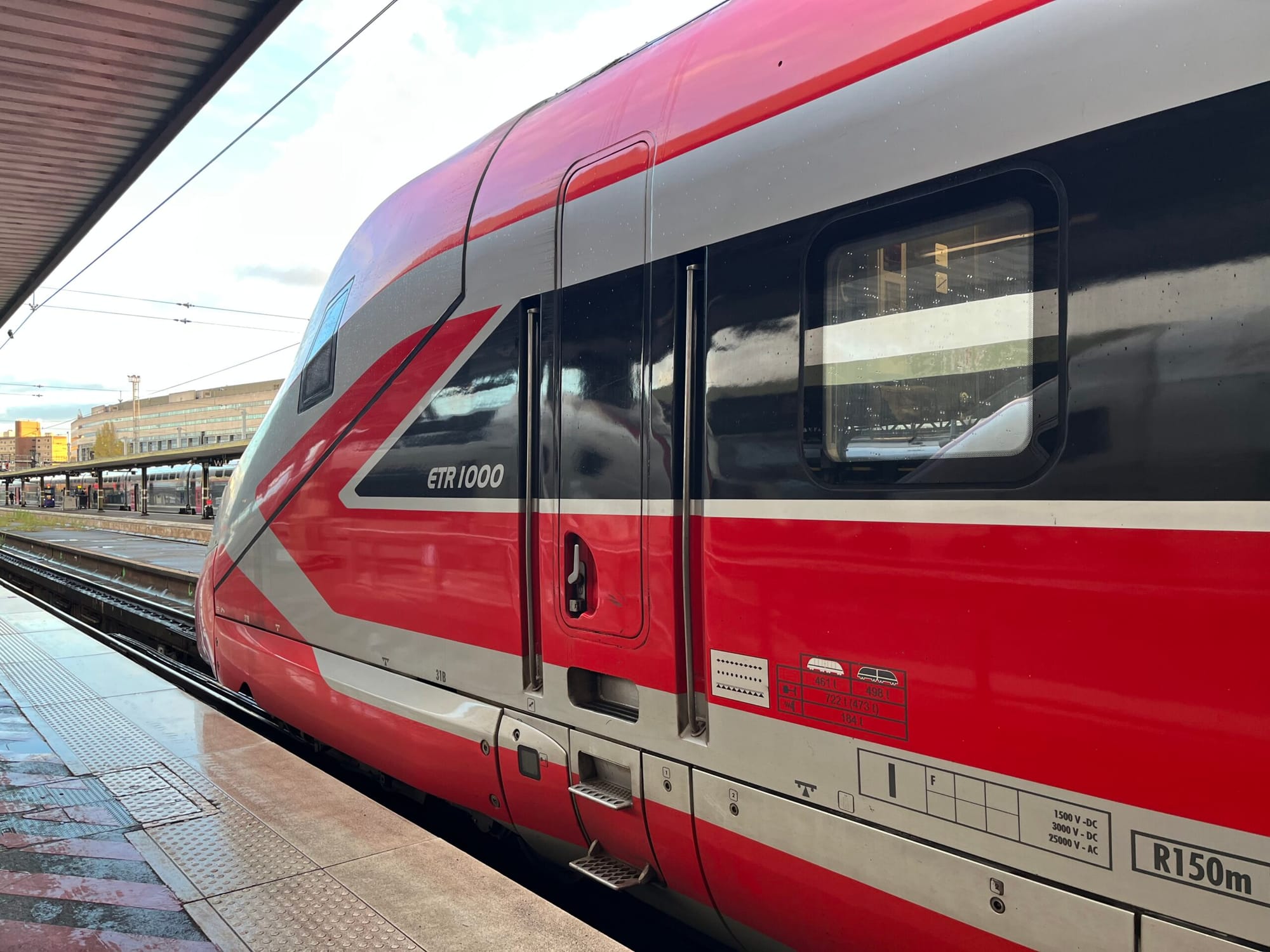
This quandary most importantly crops up regarding the future of the Channel Tunnel. The question I am trying to answer in my #CrossChannelRail project is how to get more long distance trains through the Channel Tunnel in the short to medium term. This has meant imposing some rather tough constraints on my own work: assuming the existing UK border regime (passport controls before a passenger bound for the UK transits the Tunnel) is retained, no through trains to the rest of the UK beyond London (due to the constrained loading gauge), and no night trains (due to the complexity of night train economics, on top of everything else). I would be so happy if these constraints did not apply and hell, let's have the UK in Schengen while we're at it, but I see no way - short term - to remove those constraints. And even working within those constraints I still have identified ways to serve new destinations in Germany and Switzerland direct from London.
But of course those ideas are rubbished as well - how will the border control staff be paid in Zürich or Frankfurt? We have had false dawns for through trains before, why is it going to be any different now? I have even been berated for proposing trying to find a site for a new maintenance facility for Channel Tunnel trains, because obviously maintenance facility construction ought to be coordinated. Sure, it ought to be, but it is not. And while multiple small maintenance facilities might be a sub-optimal solution, better that than awaiting a perfect solution. Good enough is good enough.
Or take the issue of free public transport. I am generally against it in Europe, practically. Because in a world of limited financial resources for public transport I think there are better things to spend money on than eliminating already rather low cost tickets. This seminal blog post by Olivier Razemon makes the case very well. I am however in favour of simple and flat rate public transport tickets and passes that make the user experience as seamless as possible, but even that is more radical than many people in the public transport industry want. Yes, were we in a world with much greater resources for public transport I could be in favour of making it free, but we are not in that world, and so I am not an advocate for that idea. And as I see no viable route towards that world I cannot make that case for it right away either, because I cannot see a route to get there, I have no theory of change if you like.
The same sort of tensions appear right across my work. If I write generally about night trains I get advocates for these services telling me all we need is subsidies then these services will flourish (but I can't see how you get those funds) and opponents telling me that would be pouring good money after bad, and night trains need to ditched (and that is obviously wrong as well). If I write about cross border railway ticketing I have radicals telling me why can the EU not just build a platform to fix this (hell no) and those in the industry telling me there is not even a problem to be solved (and that is obviously wrong), and some sort of middle ground based on better data sharing that would work well enough, and is possible, leaves everyone annoyed. #CrossBorderRail is similar - why am I not proposing new high speed cross border lines all over the place? Because I cannot see a way to make that happen, mostly. Same reason why I have identified rather few dismantled lines to be re-built - these are mostly really complex. But then this whole project is lambasted as well, as all being too small scale. Well sorry, I cannot see how there is ever going to be a Porto - Vigo high speed line, but I do see a way to get more than 2 knackered diesel trains a day crossing the border there on an everyday basis.
So despite all of this frustration raining down on both sides, I see no option other than to keep pursuing the same sort of line I have been pushing until now. I have got to have some sort of tangible objectives, something I can aim for and I can tell myself might be able to happen. This applies to the future of the Channel Tunnel, what to do at dozens of railway border in Europe, how to steadily improve night trains, what to do about public transport ticketing, and how to sort out data sharing for cross border rail booking. If I am proposing change that is too radical I will never get there, and my work becomes just shouting in the void. But on the other side if I just refuse to see ways forward, see everything as too complicated and too difficult, I become just like hundreds of others in the industry - problem explainers, rather than problem solvers.