New trains are not necessarily good trains

In the Newsletter this week
Analysis: New trains are not necessarily good trains
Bullshit Meter: Eurostar is not going to maintain 67 trains at Temple Mills
Good week: Go GoVolta to Berlin and Hamburg
Good and bad week: Rail Baltica possibly delayed, but EMU procurement starts
Bad week: Entry into service of SNCF's flagship TGV-M is delayed again, and the train is too large for some Italian lines
Very bad week: Go-Ahead cannot tape over its problems in Norway
Doesn't surprise anyone this week: Lombardia's hydrogen train project is an expensive mess, is delayed
Elsewhere this week: BBC World Service podcast about night trains
Photo of the week: Night train to Latour de Carol
Calendar: The Next Decade of UK-EU rail - webinar 25th March
This is edition 008 of my subscriber-only newsletter, sent every Friday at 14:00 CET.
New trains are not necessarily good trains
"Would you spend 10 hours on this?" a friend said to me, sending me pictures of the cramped seating on Romania's newest trains:
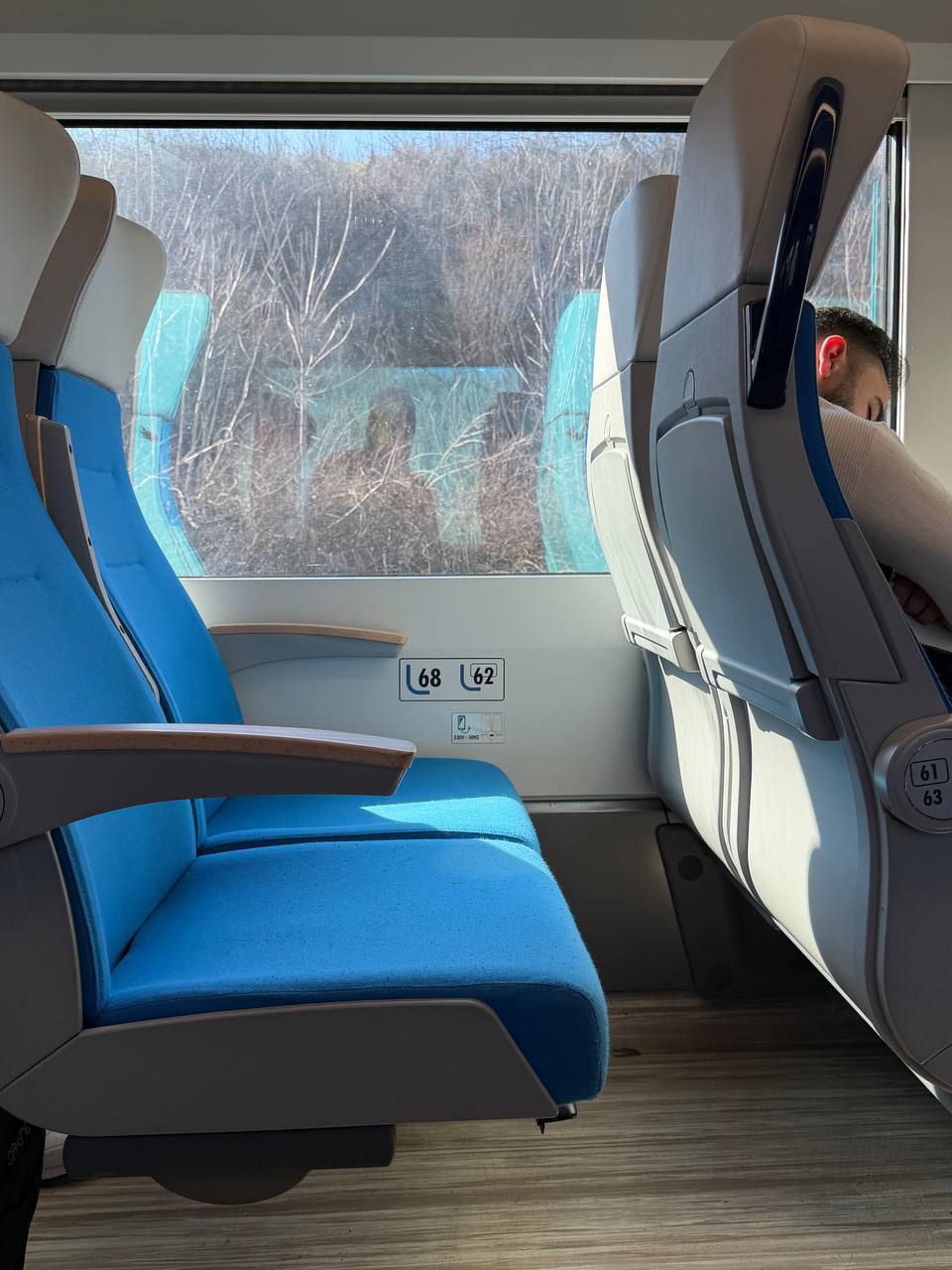
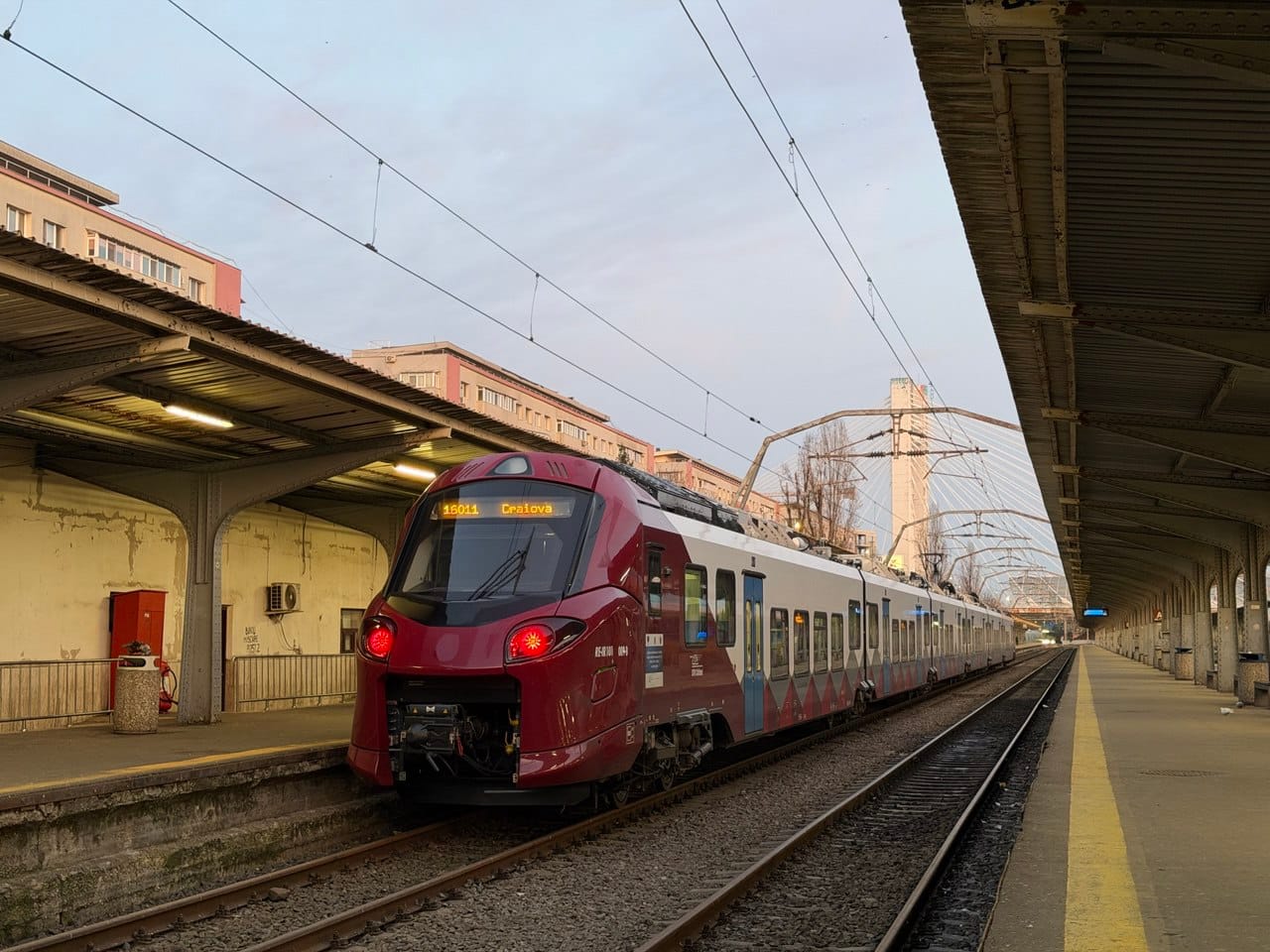
The train shown is an Alstom Coradia EMU of the type that Romania's government is ordering, before allocating them to operators. 10 hours is the time you would sit on this train between București and Arad. This is what it looks like outside:
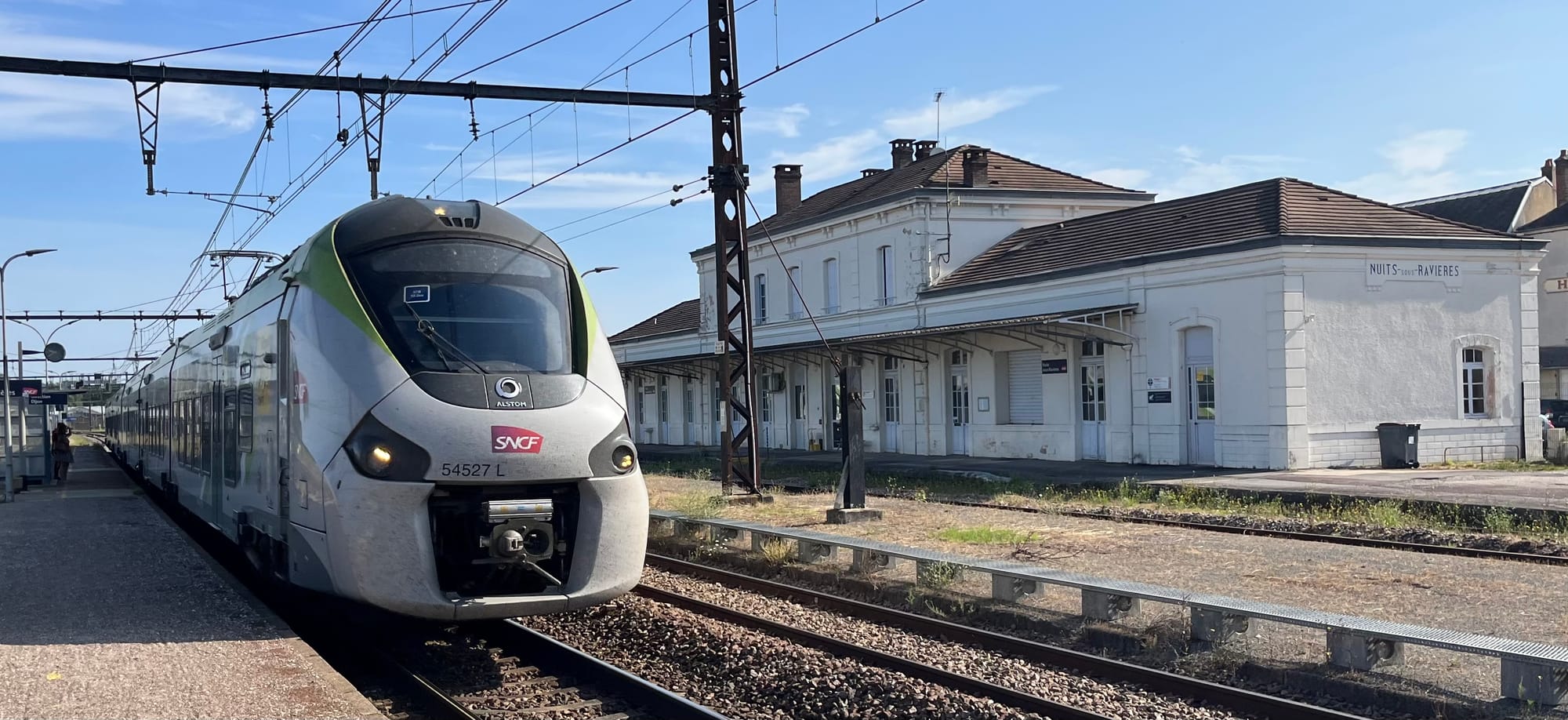
The eagle eyed among you will realise these trains are cousins of those that operate on my local line in France, the formerly Alstom, now CAF, Régiolis:
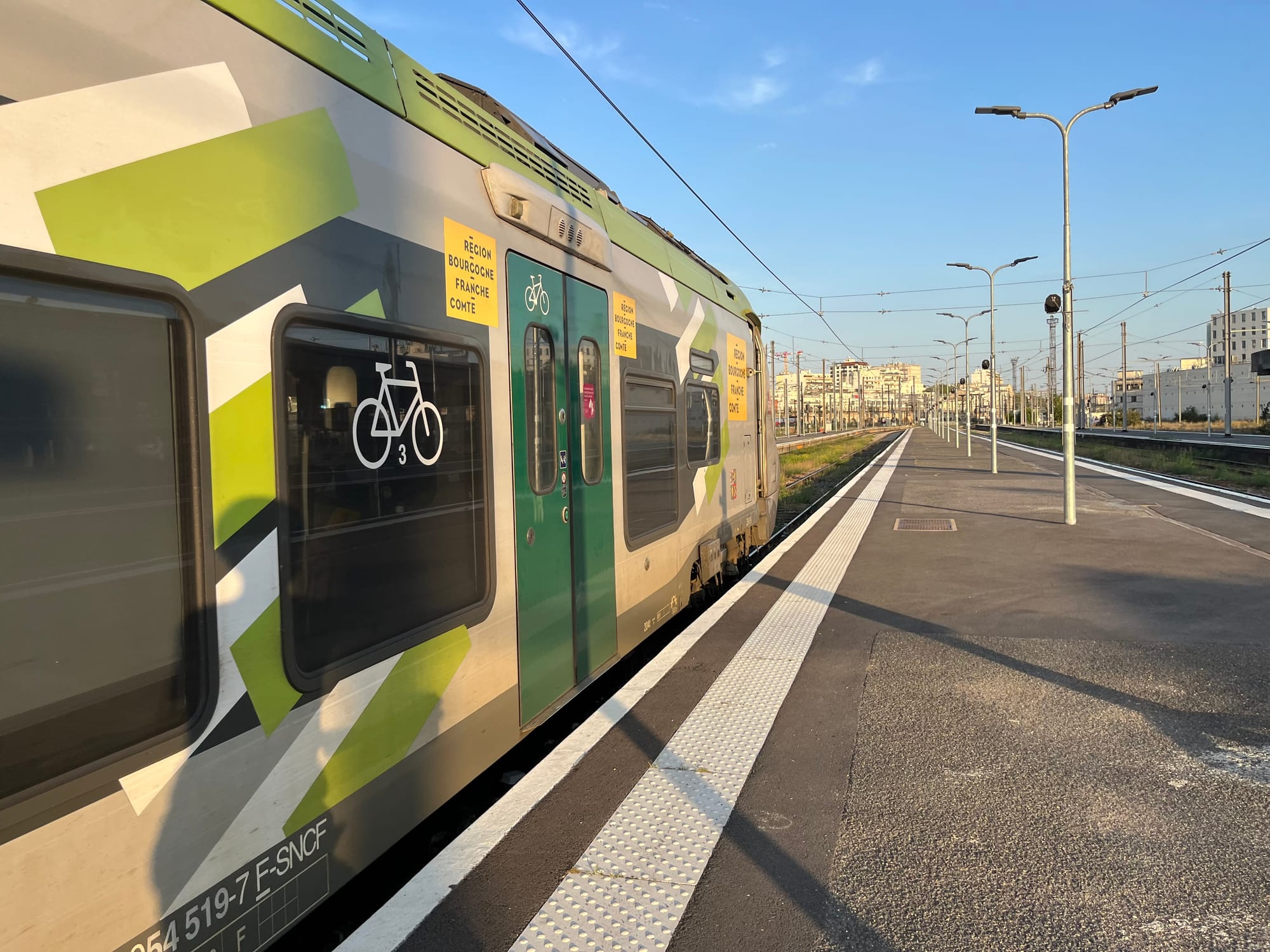
Thankfully my trips on those are just over 2 hours, not 10, because the rough ride, and rattling noises from the ill fitting doors, make the trains rather unpleasant, although I have to admit the seats pitch is a good bit better than the Romanian version. But the trains that used to run here had interiors that looked like this - more cosy for a long trip!
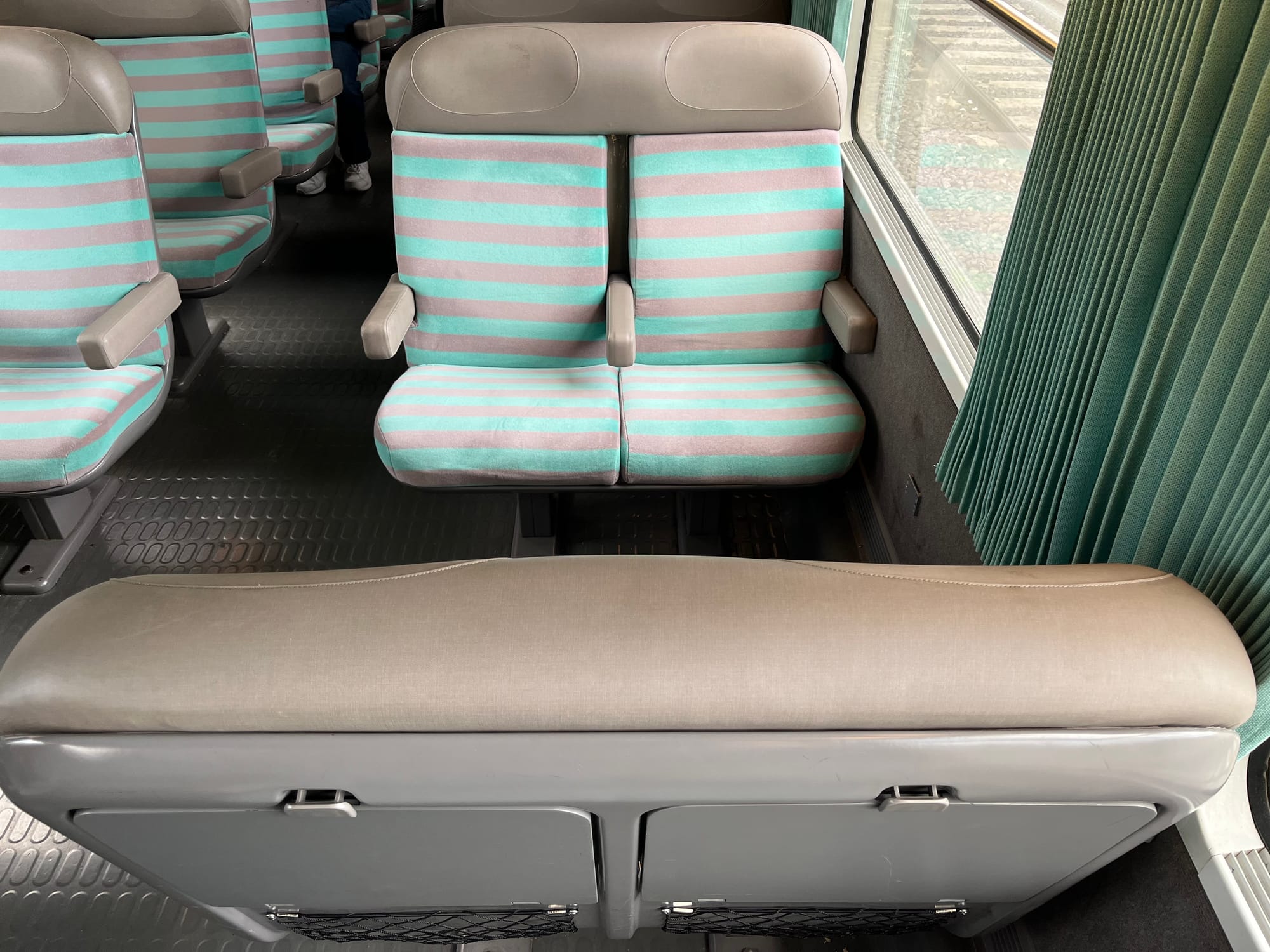
Netherlands too has ordered Coradia trains (that it calls ICNG) for its high-ish speed services on HSL Zuid. However unlike Romania and France it has at least ordered a version with single leaf doors, as shown, that helps keep noise on board to a minimum.
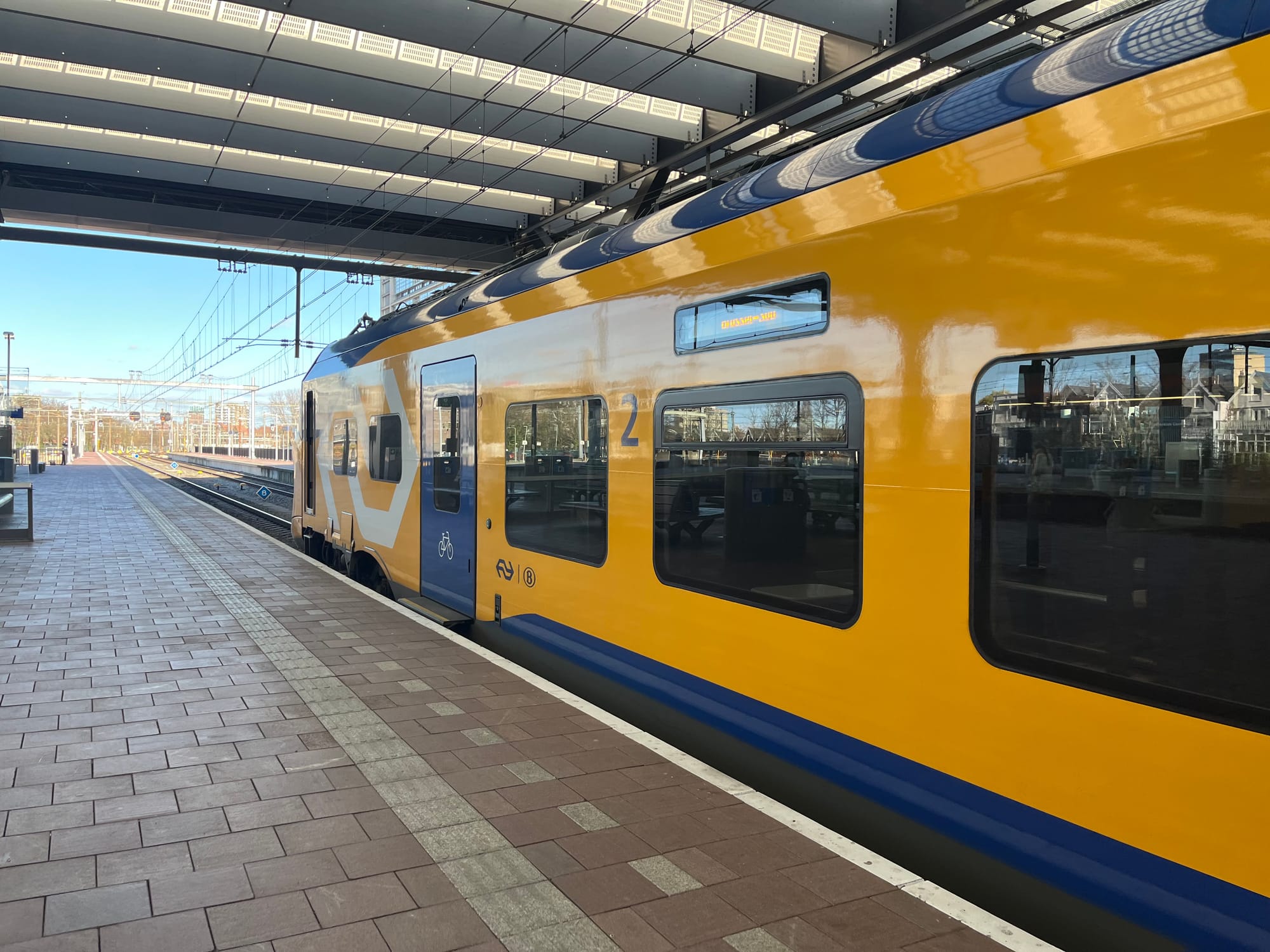
However here too the interior is very stern, and the air conditioning so noisy it sounds like something made by James Dyson.
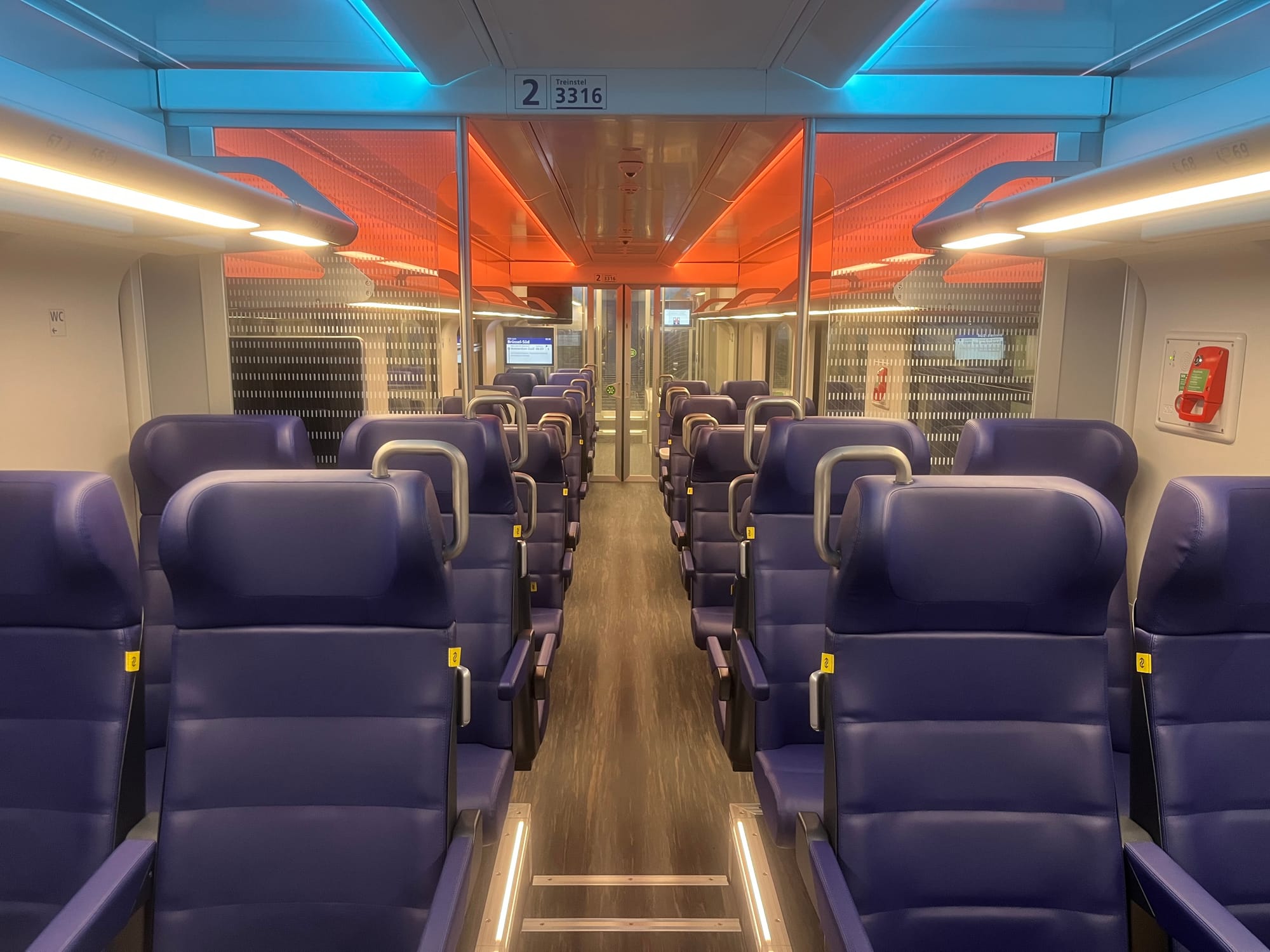
And the next country to join the Coradia party is Greece, ordering these EMUs to replace very comfortable and very smooth running Siemens carriages from the early 2000s.
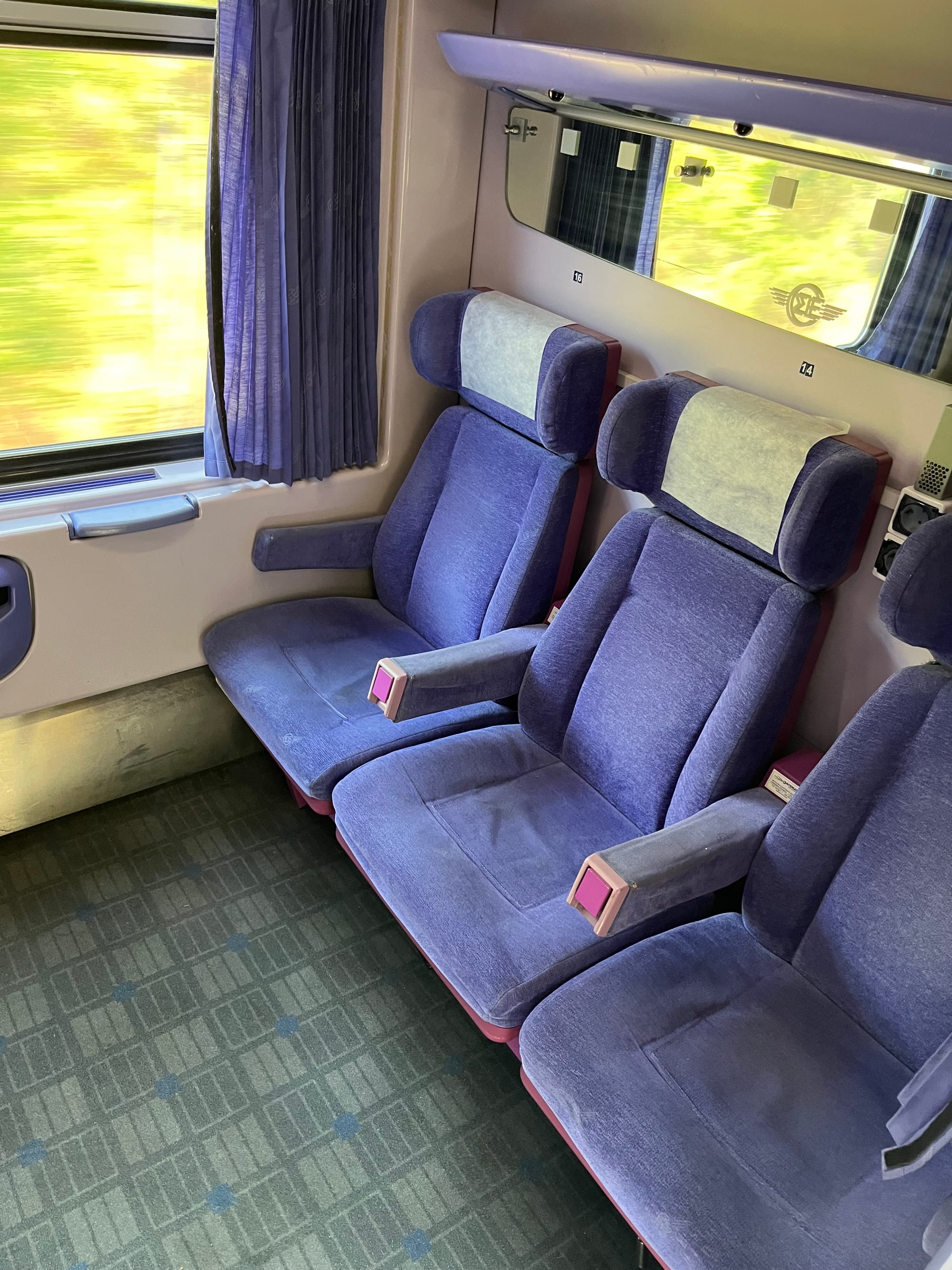
But this is not just a problem with one series or one manufacturer. The Siemens Desiro EMUs deployed by SNCB on the two hour forty minute route between Luxembourg and Liège have seats that look like this:
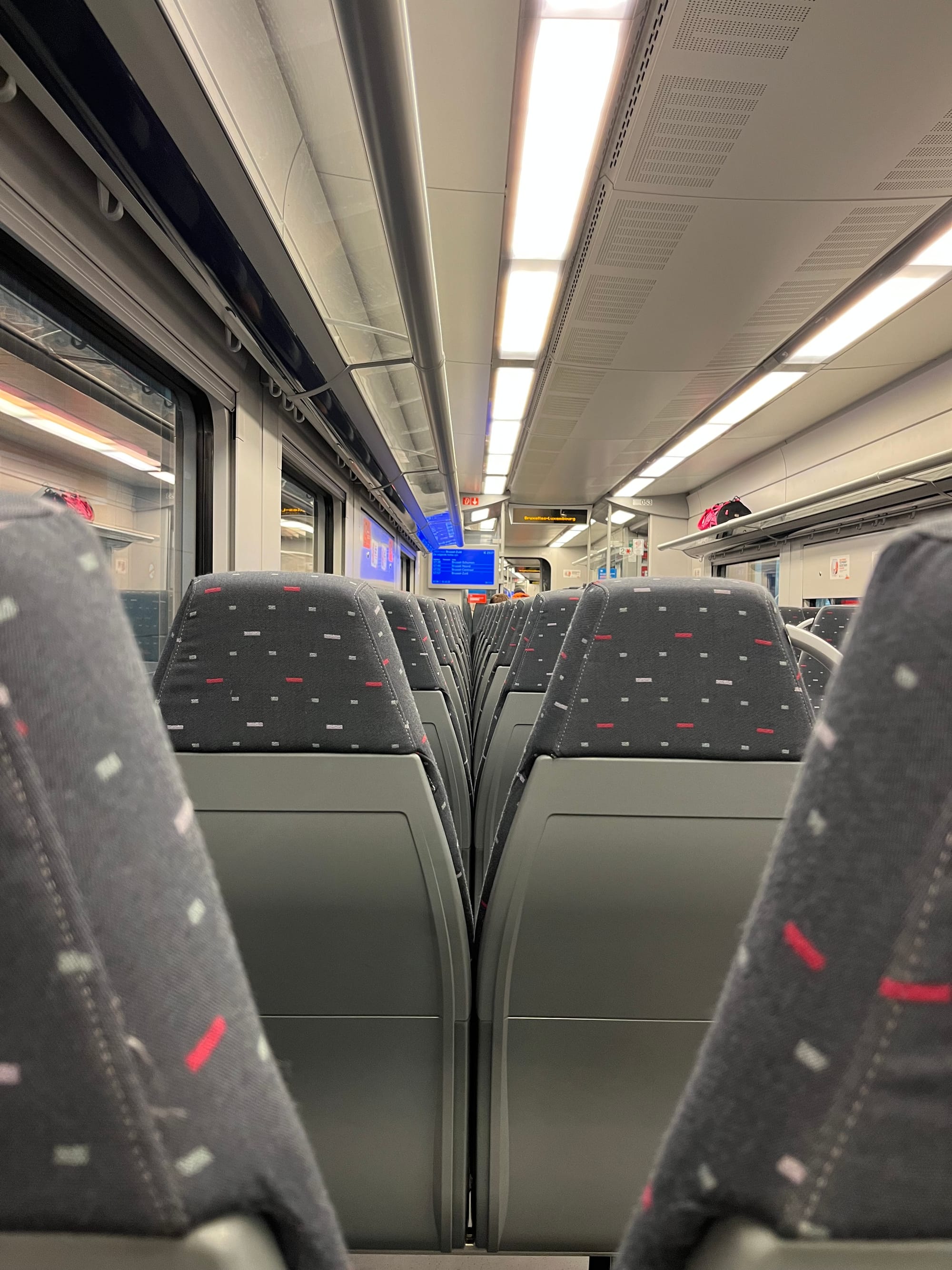
Meanwhile new Hitachi built regional trains in Italy have seats that look like this. Yes, they are as hard as they look. Three hours on this, anyone?
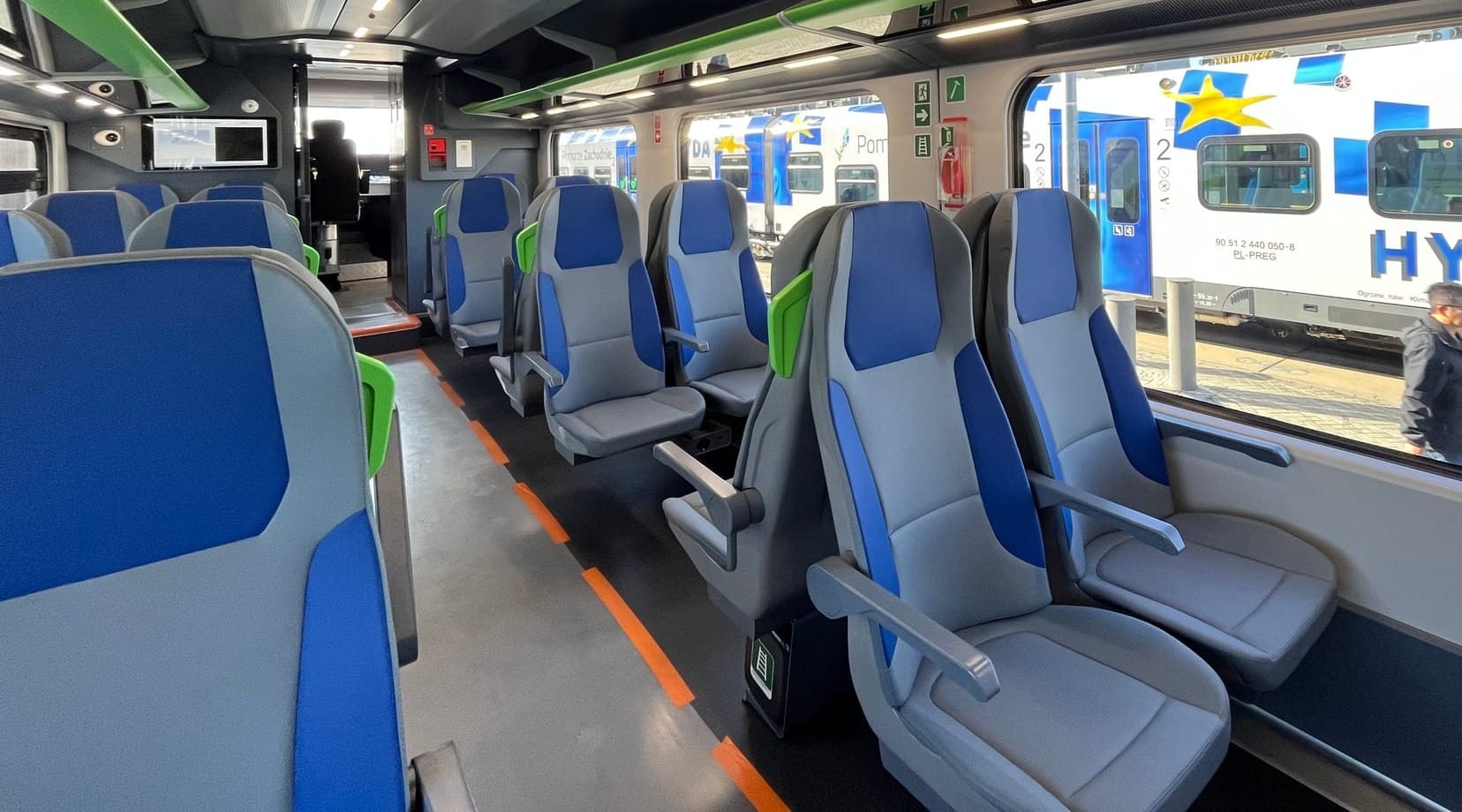
But there is a counter case. The Traverso trains, built by Stadler for Südostbahn in Switzerland, are obviously just regular regional EMUs (apart from the snazzy paint job)
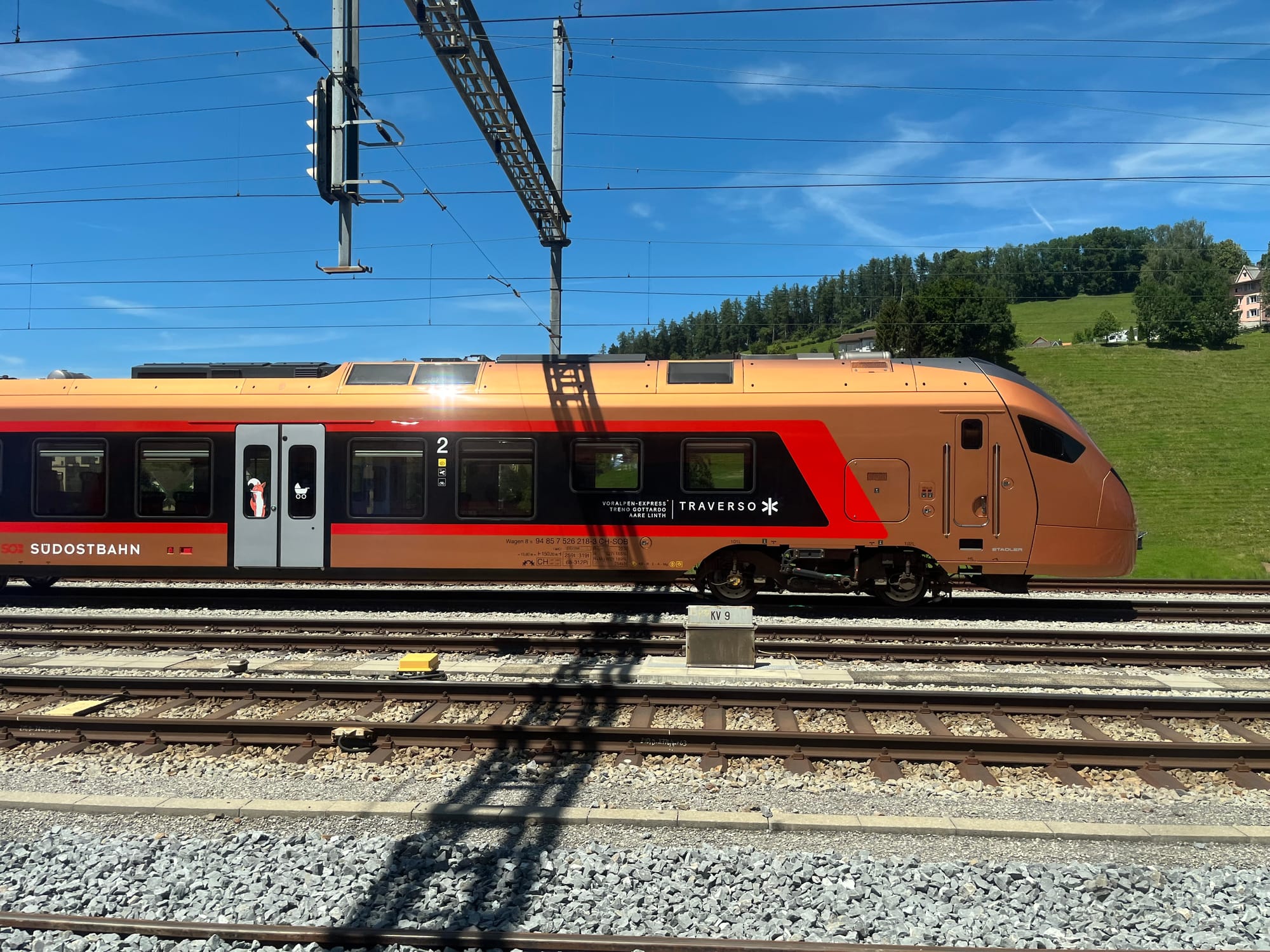
However Südostbahn has gone to great lengths to fit an excellent interior in these trains. There are even vending machines that serve passable coffee on board. You'd perhaps still not want to spend 10 hours on one of these, but for 2-3 hours these are the best modern trains anywhere in Europe.
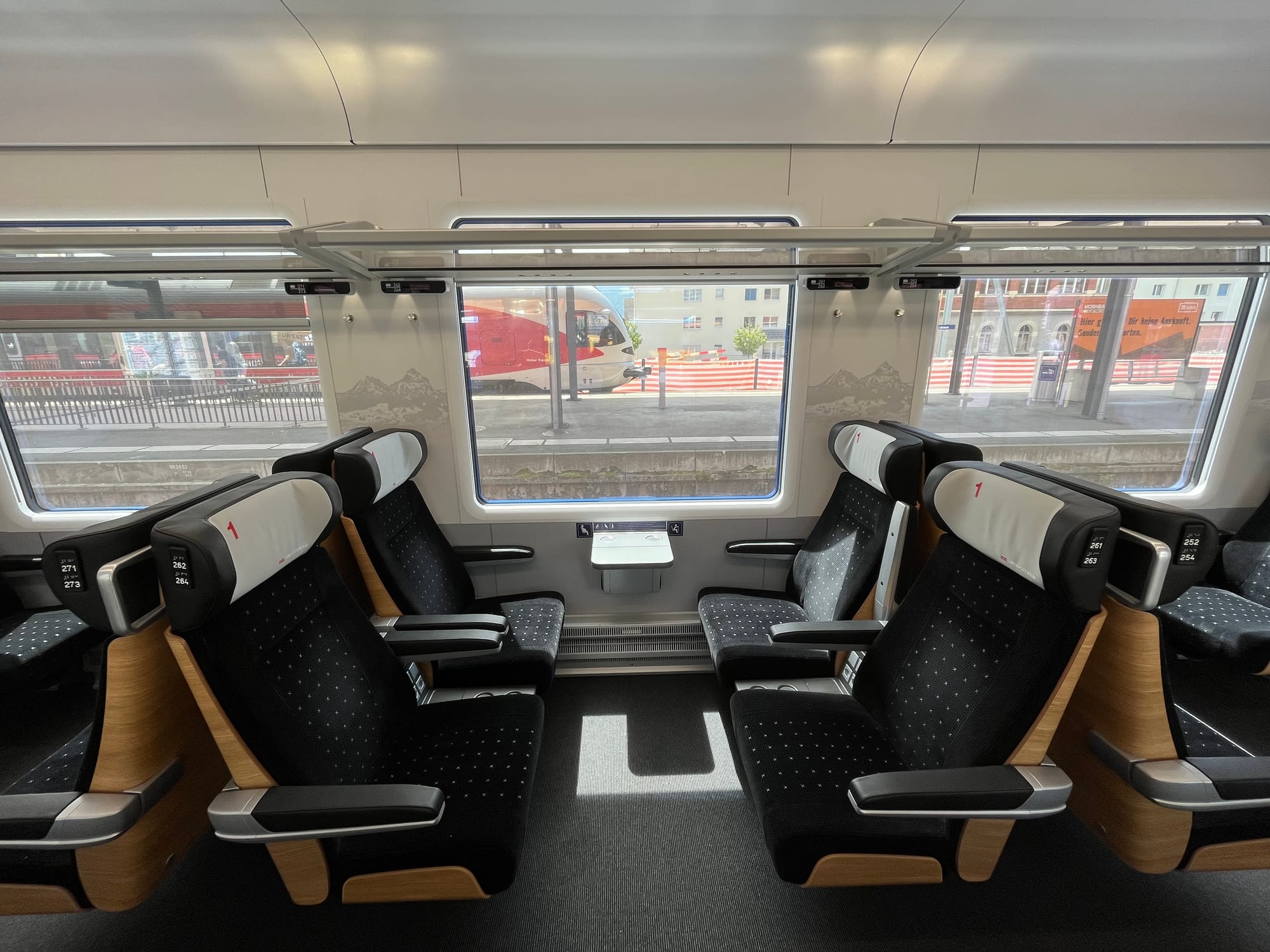
But what is happening here? Why are railways doing this?
There is essentially a technical overlap in the 160-200km/h speed range between regional trains, and longer distance interregio or intercity types of train.
Putting it another way, a SNCB Siemens Desiro EMU can easily respect the timetable between Luxembourg and Liège just as its locomotive hauled predecessors on the line could. No part of the line has a speed of more than 160km/h.
But because you can use a train like this on what is essentially an interregio route does not mean you should.
If passengers are making more than a short hop on a train, then the interior (in terms of seats, layout, luggage space, noise level) ought to be appropriate. And for a trip more than a couple of hours, some food on board is nice to have as well.
Südostbahn shows what is possible. Is it too much to hope that some other railways learn from them?
Bullshit Meter: Eurostar is not going to maintain 67 trains at Temple Mills
Eurostar's PR machine pitched up in the radio studios of BBC on 13th March - CEO Gwendoline Cazenave was interviewed on the Today Programme on BBC Radio 4. There was one particularly interesting, and particularly disingenuous, line from her in the interview - that Eurostar would maintain 67 trains at the Temple Mills depot in east London, and that this necessitated expansion of depot facilities.
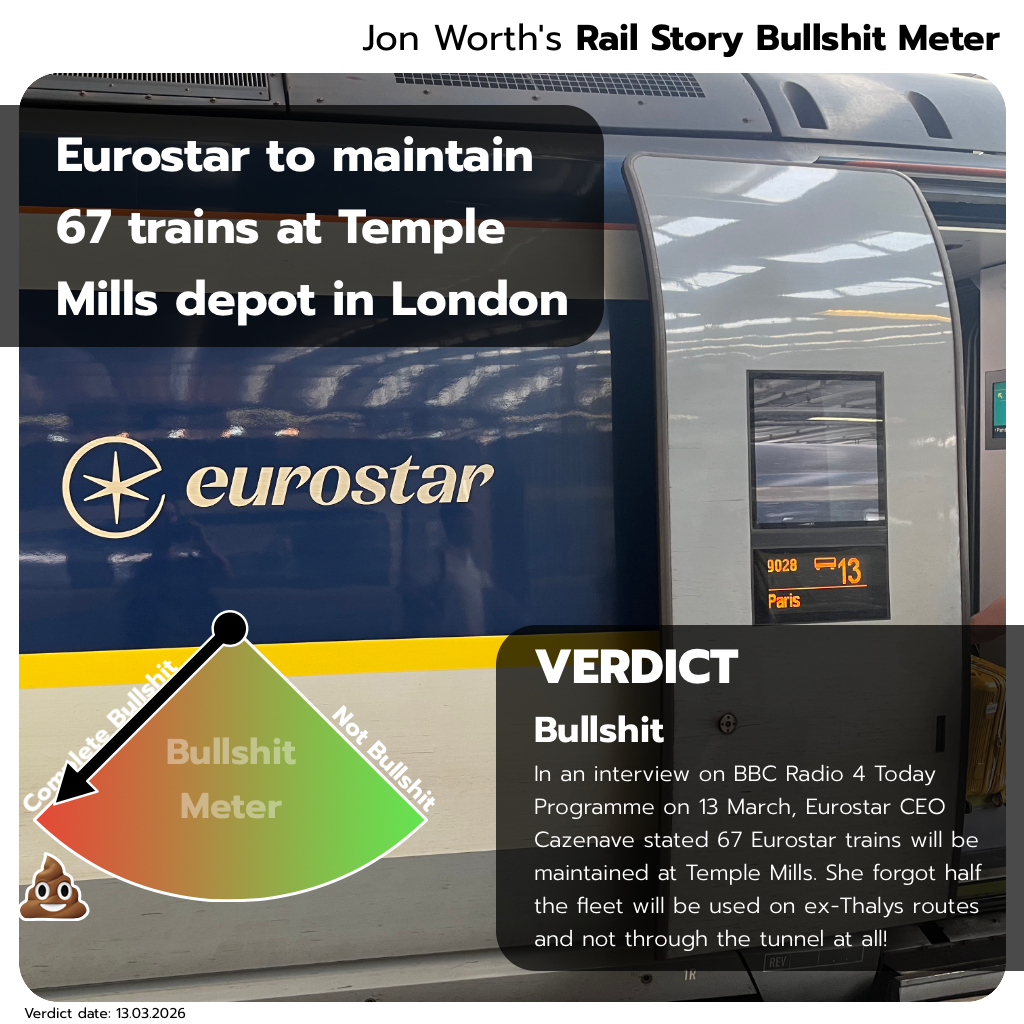
How does Cazenave even come up with 67 as a number?
That is the existing 17 Siemens Velaro e320 trains currently in Eurostar's fleet, plus the 30 Avelia Horizon trains ordered from Alstom, plus the additional 20 that they have as an option in that order.
But there is no way in the world Eurostar is going to use all 50 of the Avelia Horizon trains to London. If they can use those Avelia trains at all to London (that is open to some question), they most definitely are not going to use the whole fleet to through the Channel Tunnel - because they have 26 ex-Thalys trains for non-Channel Tunnel routes that they need to urgently replace (I examine Eurostar's fleet in more detail here). Given those ex-Thalys trains are currently maintained at Forest depot in Bruxelles and Le Landy depot in Paris, is Eurostar going to abandon all maintenance at those two sites, and move it all to London? When not all of the trains are going to even run to London?
No, of course not.
Eurostar will not need space to maintain 67 trains at Temple Mills.
Looks like an effort to make life difficult for Virgin Trains as far as I can tell. And try to up the political pressure on the Department for Transport.
All previous Bullshit Meter posts can be found here.
Good week: Go GoVolta to Berlin and Hamburg
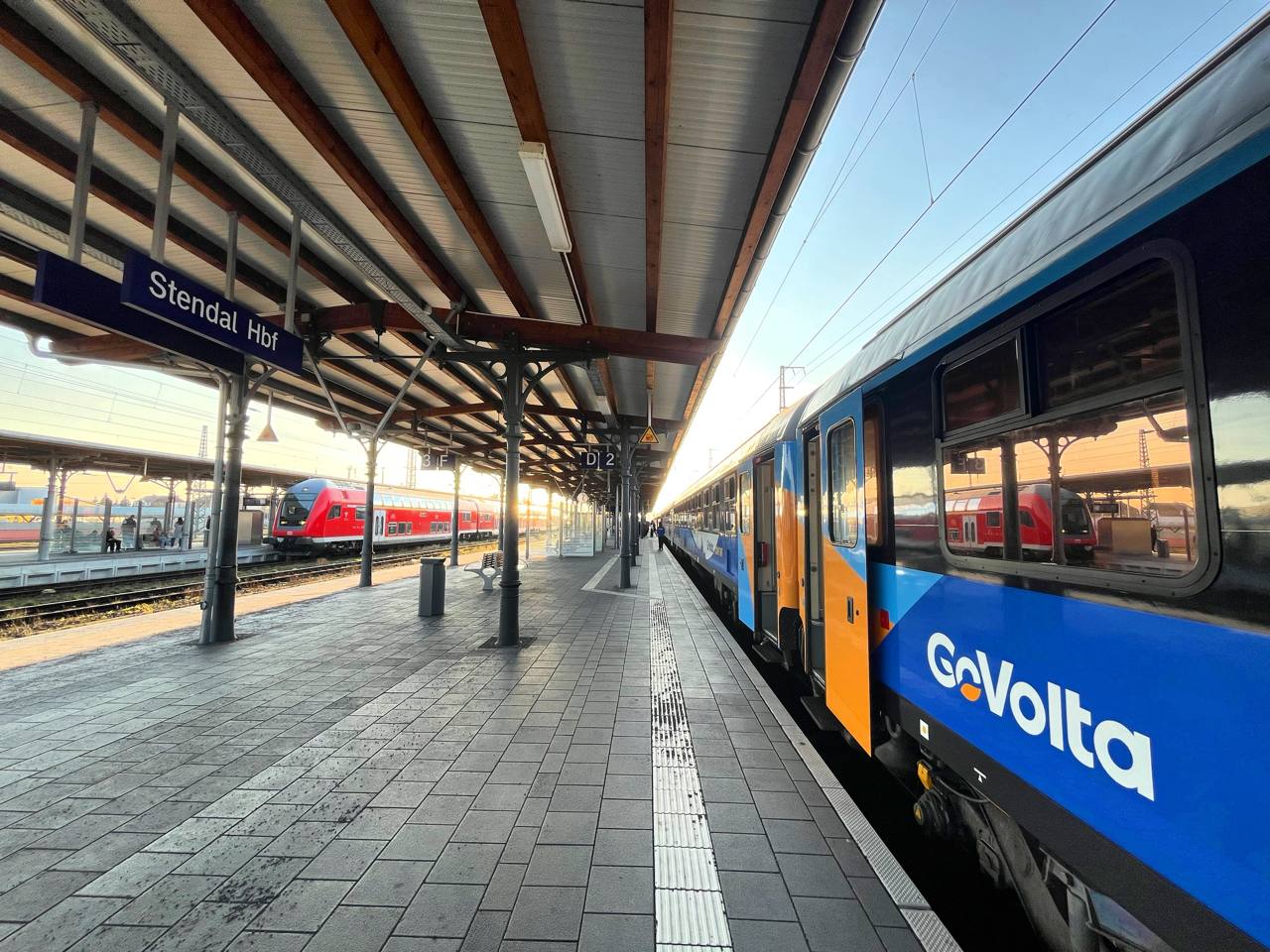
I must admit I had my doubts it would happen, but Dutch private low cost operator GoVolta managed to get its first train running today - and it even arrived early in Berlin this afternoon, having departed from Amsterdam this morning. They will run 3x a week Amsterdam-Berlin and back, and 3x a week Amsterdam-Hamburg and back. Using old SNCB carriages it promises to be a comfortable if a rather slow trip!
Good and bad week: Rail Baltica possibly delayed, but EMU procurement starts
Mixed news about Rail Baltica this week.
First the deputy infrastructure minister in Poland, Piotr Malepszak, told the FT that the project would not be done in 2030 but in 2040, and used the peculiar argumentation - that it would be better to upgrade existing infrastructure instead (which is hard, given that is broad gauge in the Baltics and standard gauge in Poland), and that the focus on military spending was draining money from Rail Baltics (which is bizarre, as Rail Baltica is a line with military significance).
However IRJ reports that the joint procurement of a fleet of 200km/h regional EMUs to run on the line has started, with a 2029 delivery date. Fingers crossed they order trains with appropriate doors and interiors, as per my analysis above!
As I am returning to the Baltic states in the summer of 2026, expect more commentary about Rail Baltica in future editions of the newsletter!
Bad week: Entry into service of SNCF's flagship TGV-M is delayed again, and the train is too large for some Italian lines
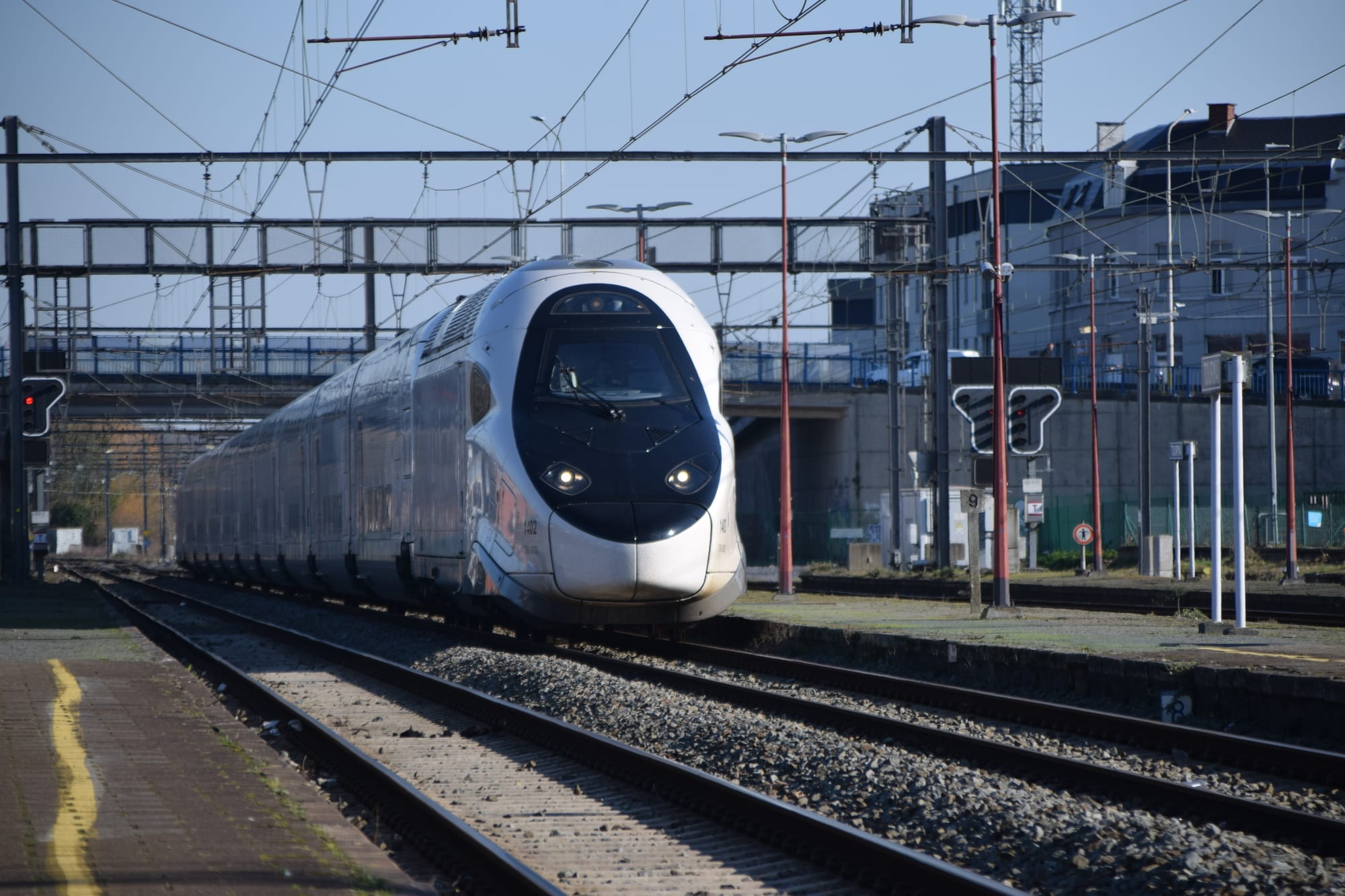
In last week's newsletter I wrote that SNCF had some good news with regard to future services in Italy, to be run using its new Alstom-built flagship TGV-M trains.
Now there is bad news in France. 1st July 2026 was meant to be the entry into service for the first TGV-M trains in France, but Ville, Rail & Transports has an exclusive that there are more problems with the Train Control and Management System (TCMS) and rather than 1st July it will now be 15th August, although to be honest any date they now announce ought to be taken with a pinch of salt.
Meanwhile there is a further headache in Italy as well: TGV-M is too large for some main lines that are used in the case a high speed line is not available. I have explored that issue in a lot of depth in this article, and have also delved into the history of this train design here.
Very bad week: Go-Ahead cannot tape over its problems in Norway
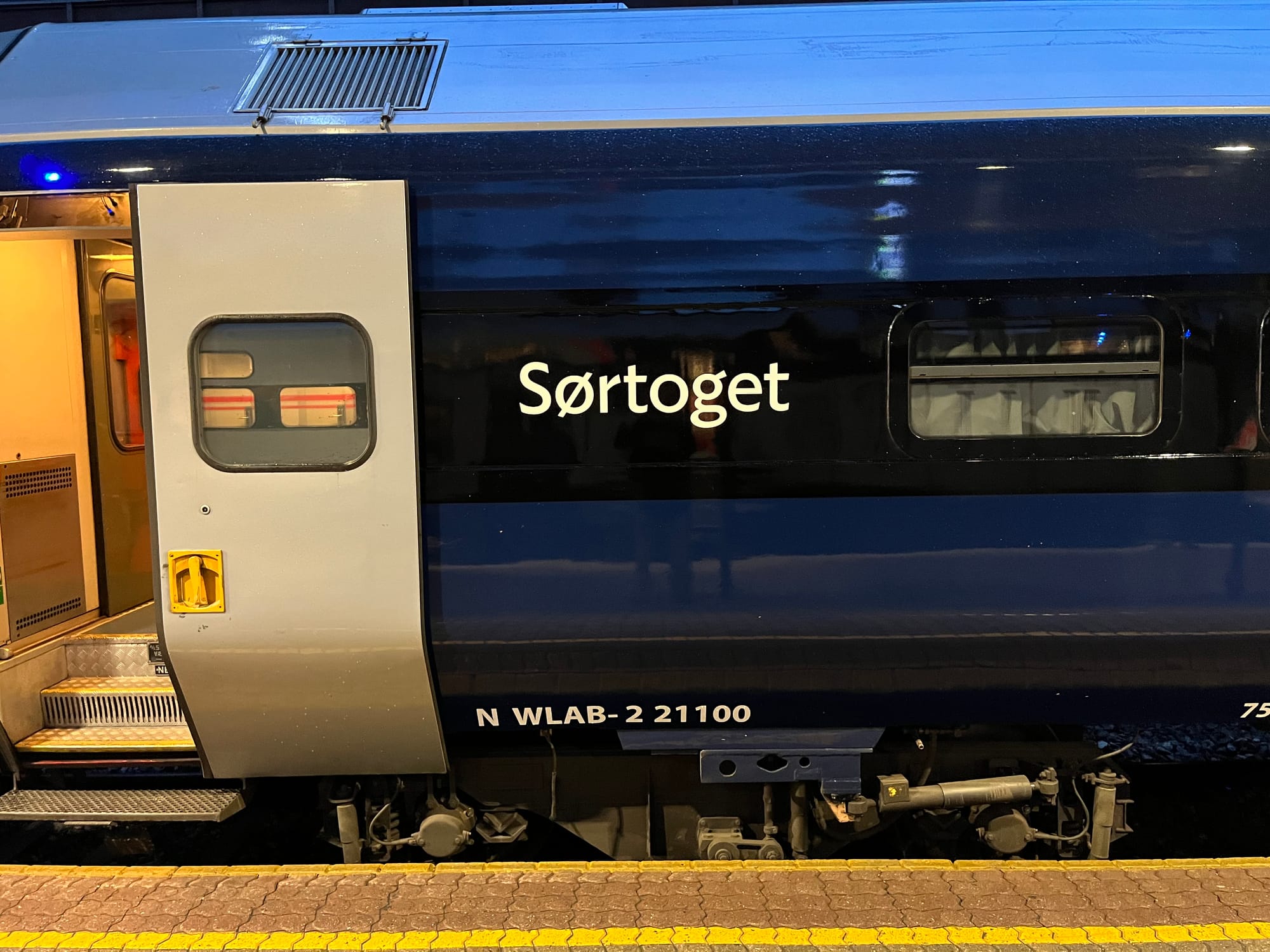
How about taking a long distance train with broken windows held together with duct tape? That was one of 83 different problems found with rolling stock used by Go-Ahead on the Sørlandsbanen in southern Norway, as Norwegian national broadcaster NRK reports. Dangerous cables and poorly secured panels were other shortcomings discovered.
Doesn't surprise anyone this week: Lombardia's hydrogen train project is an expensive mess, is delayed
The hydrogen rail project for the regional line between Brescia and Edolo (route) is not going well. They cannot get the hydrogen supply chain right, and the entry into service of the new trains has slipped from 2026 to 2028, as reported by Ferrovie.info. The whole project is also running up massive costs.
Given the hydrogen trains in Germany in Niedersachsen have had problems with the hydrogen supply, and on lines north of Frankfurt do not run reliably, and - part as a result - Alstom has stopped its hydrogen development project in France, it is no surprise whatsoever that the Lombardia project is struggling.
Just put up a wire.
Or, failing that, look at battery trains. The route Brescia - Edolo is 102km, so were fast chargers installed at Iseo (the main town en route) and Edolo, the route could easily be served with battery EMUs. Schleswig Holstein shows how it is done.
Elsewhere this week: BBC World Service podcast about night trains
Things take time when making documentaries. It was months ago I spoke to BBC World Service about the current state of night trains in Europe and now, finally, the episode of The Documentary Podcast series is out. You can listen to it here.
It's one of my pet gripes when journalists ask me for my time to do things like this, unpaid, and then do not even tell me something is published or broadcast. I only even discovered this was out thanks to my follower on Bluesky Matthew Jee who happened to hear it!
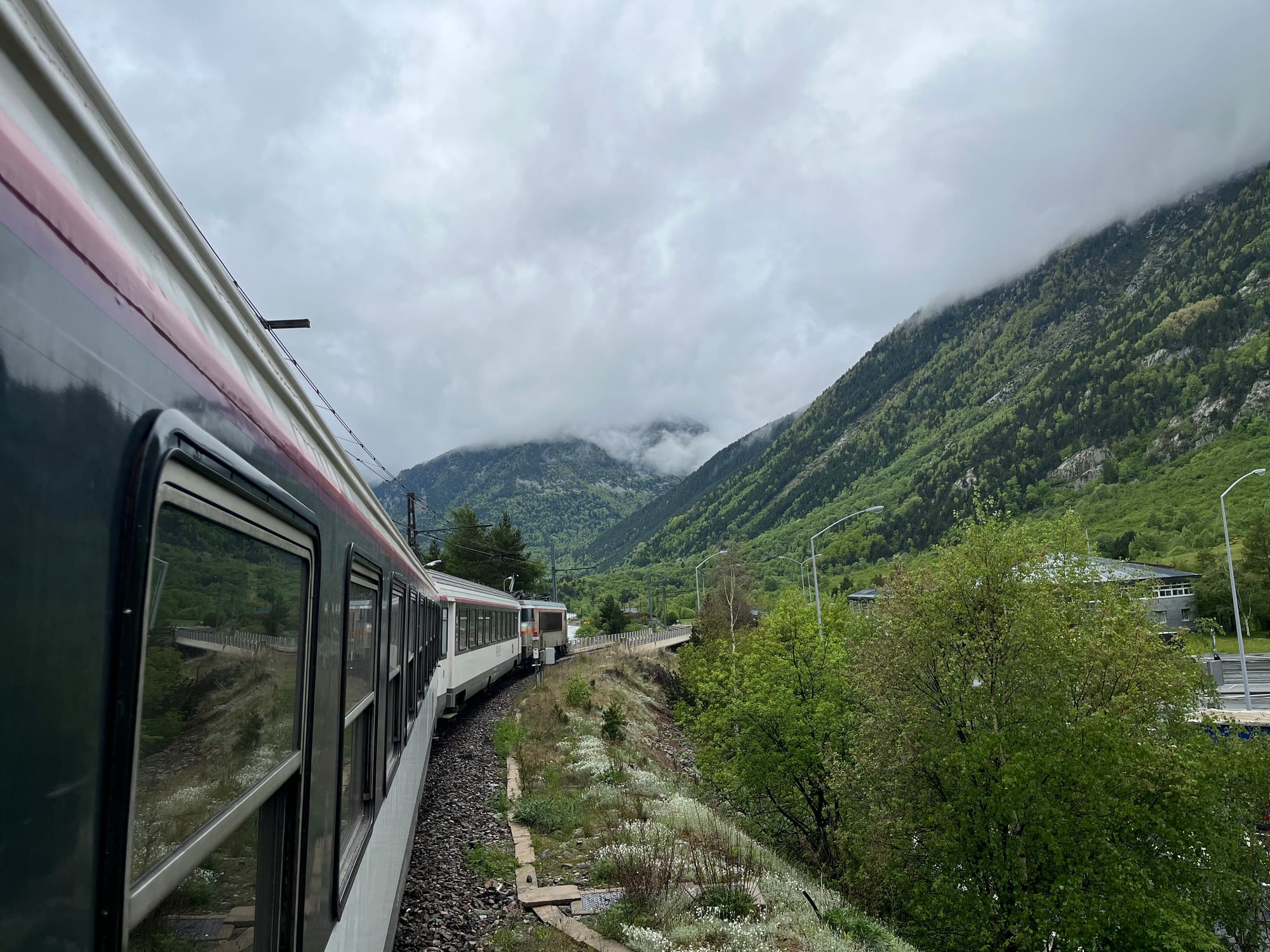
Photo of the week: Night train to Latour de Carol
The slow way to Barcelona from France takes you through the Pyrenees - south from Toulouse via Ax-les-Thermes to Latour-de-Carol (OpenRailwayMap) and then onwards on the Spanish side from Puigcerdà to Barcelona Sants. Here the night train from Paris Austerlitz to Latour-de-Carol is climbing into the mountains. Picture taken in June 2023.
Calendar: The Next Decade of UK-EU rail - webinar 25th March
What next for long distance trains through the Channel Tunnel? I researched this in 2025 in my #CrossChannelRail project, and next week I am panellist in a webinar organised by Momentum about the issue. The webinar is free to attend and is at 1400-1500 GMT / 1500-1600 CET on 25th March. Sign up here!

If you would like to stay up to date with what I am doing, there are public calendars to which you can subscribe: Jon Worth - Speeches and Events ICS | Jon Worth - Travel ICS | Jon Worth - Other Rail Dates ICS And if you'd like me to speak at an event or run a workshop, contact me about that.
Photo Rights
All photos in this edition are taken by Jon Worth, except the Romania Coradia and GoVolta pictures - those used with permission but cannot be reproduced. Bullshit Meter images always have photo rights listed directly on the image.