How do you even say "Takt" for a timetable in English?

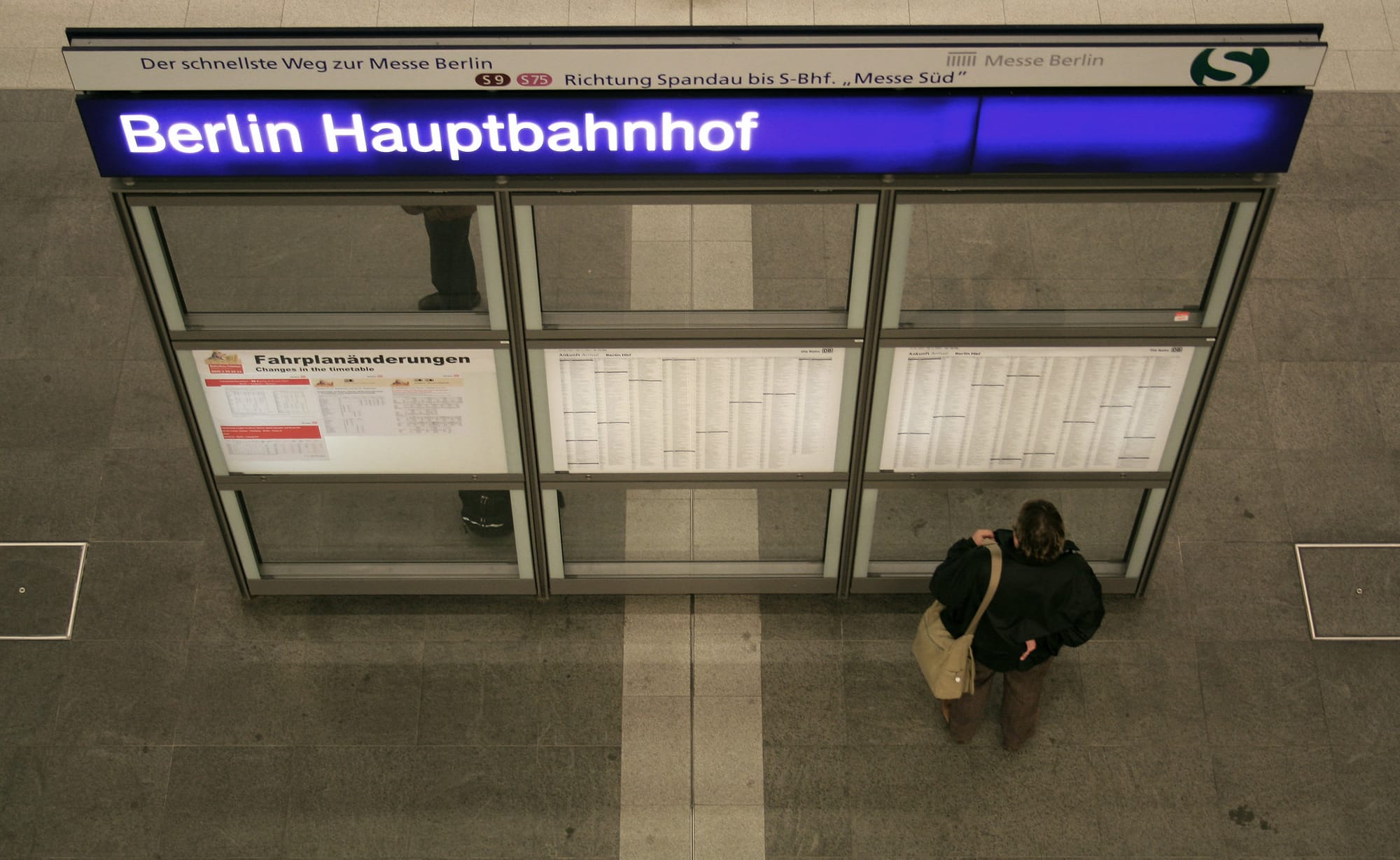
I am doing some comparative research about railways in Europe this summer and that has led me to the question: what makes a good train timetable?
And that then leads inevitably to a Taktfahplan or, better still, a Integraler Taktfahplan (German language Wikipedia here)
By which point I have lost the English speakers.
A Taktfahrplan is supposed to be called Clock face scheduling or a Clock face timetable in English (English Wikipedia here). And the extension is hence an Integrated clock face timetable.
But this term does not quite cut it I think. It misses the essential rhythm aspect of the Taktfahrplan. Amy Isard added more here. It's also - in terms of wording - a hell of a lot more cumbersome.
Sérac instead suggested calling it a Regular interval timetable (and hence by extension an Integrated regular interval timetable) which at least does a better job of explaining what a Taktfahrplan is, although is still rather long as a term.
Other users joined in on Mastodon, with different wording from different languages.
Horaire candencé is the French version, leading PGLux to propose Horaire cadencé coordonné for the integrated version, which I think is a good one. Tristram Gräbener made a corollary of Deutschlandtakt with France Cadence - I can imagine Clément Beaune saying that.
Enrique Andrés added the Spanish versions - Horario Cadenciado, and Horario Cadenciado Integrado or Horario Cadenciado Coordinado - similar to the French. But while I politically would welcome these terms catching on in Spain and France - because those countries have among the worst timetables in Europe! - these terms are not handy for an English translation. A cadenced timetable sounds a bit weird in English.
Dutch does not help much either - where it is gecadanceerde dienstregeling or starre dienstregeling (thanks Martin Hoffmann). Rigid timetable... well, I am not sure that's a positive connotation!
I am also interested in how the idea of a Takt can anchor an idea in public transport discourse. It might be slow in terms of implementation, but Deutschlandtakt is a sort of lighthouse idea that can then give a direction to what rail investments Germany needs to make (a little about it in English here).
And then - as EU railway policy is my thing, and a Taktfahrplan is a good thing - how do we Europeanise all of this? Perhaps with a Europatakt? Which sounds a lot better than a European clock face timetable!
So maybe - in EU politics anyway - and in the absence of the Brits to frame the language used any more, maybe we ought to simply import the German word Takt into our discourse? Hell, Spitzenkandidat caught on as an idea that was complex to convey in English, so why not just speak of Takt, Deutschlandtakt and Europatakt when talking English?