Flat rate national ticketing: public transport policymaking through shock

A post by UITP Secretary General Mohamed Mezghani caught my eye on LinkedIn - it's about Spain's plan to introduce a €60 a month flat rate national public transport ticket next year, along the lines of what Germany did with Deutschlandticket. "While this plan will certainly make public transport more attractive and easier to use", Mezghani says, "it raises some interesting questions for public transport policy and governance". Indeed. And those are the questions we have still not really processed, even a few years on from the introduction of Deutschlandticket, Germany's equivalent.
Deutschlandticket and this Spanish pass are not really the way public transport policymakers want to work. The idea is normally to make supply side changes first - invest in new trains, new lines, improved frequency. And then if demand subsequently rises, there is capacity to cope.
But imposing a national flat rate ticket reverses this - not only do you create a boost of demand, you know neither exactly where that boost will happen nor who will cover the costs of it when that boost comes. Public transport authorities are then forced to react, and sometimes that reaction is uncomfortable.
And while those working in public transport would seldom admit it so bluntly, more passengers are actually a headache for the sector. It means more work, more maintenance, more recruitment. And as in most public transport systems there's no profit motive that comes with more passengers, so the incentive from within a company operating city or regional bus or train lines to add capacity is rather limited. Keeping things going as they have always been is a lot easier than changing.
Public transport users of course like simple to use, low cost tickets. In Germany in particular this allows passengers to avoid the complexity of tariffs set by local public transport authorities, and the extra costs that used to result from crossing from one authority to another. Buy the monthly ticket, get on, easy. And the idea in itself in Germany came as a result of €9 Ticket experiment post-COVID in 2022, that itself was borne of a political compromise between the FDP (that wanted to compensate car drivers with a reduction in petrol taxes) and the Grüne (who said public transport users should likewise see a benefit). No one really asked if this was the right way to do things - a compelling idea stuck, and everything else flowed from that.
What we have seen in Germany since the 2023 introduction of the Deutschlandticket also gives us some hints as to what might be ahead for Spain. The flat rate ticket has remained - it is appealing and is popular, and saying outright you oppose the idea is pretty much impossible. But public transport authorities starved of cash then start to reduce services, the Länder in Germany that have to foot part of the bill have a dispute with the federal government about who pays what, and a pro-car government in power now (rather than the slightly more pro-public transport government that introduced the Deutschlandticket) mounts at best a reluctant defence of the ticket. The more the price goes up - it will be €63 per month next year having been €49 when introduced - so the impact lessens too, as fewer people buy it. Which makes the lives easier for public transport authorities and cash strapped governments. Return to the norm, in other words.
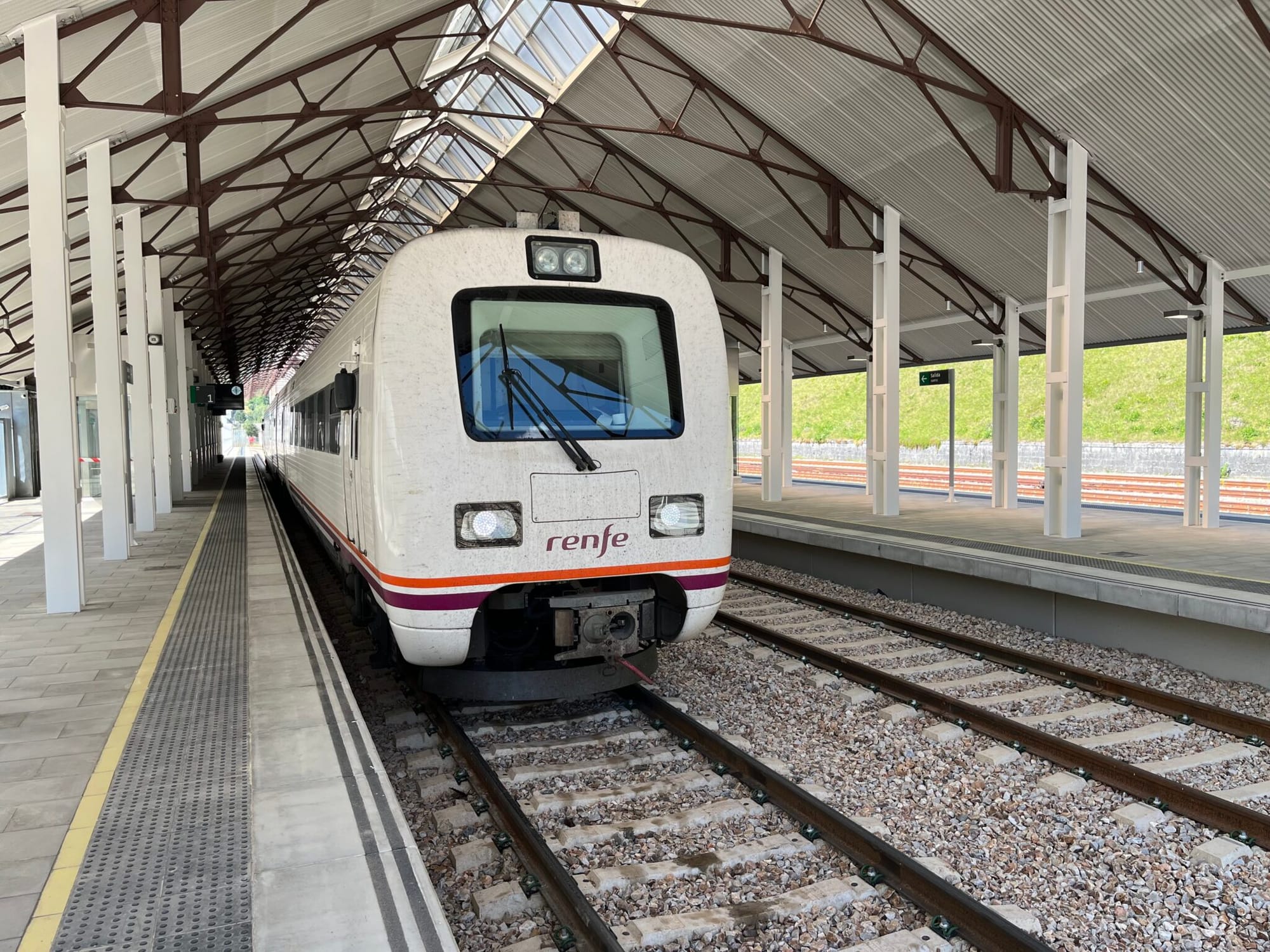
So I wish Spain well with this. I especially hope it helps the country eliminate what to me is a ridiculous contradiction in terms: regional trains with compulsory seat reservations (like the one pictured) - those trains are to be included in this ticket, so that poses an interesting problem. And making this ticket work is likely to have to be done contrary to the interests of public transport authorities and bus and train companies - a government needs serious will to make this happen. But the German example shows that public transport policymaking through shock can anchor an interesting and valuable idea in the public debate, even if - medium term - the impacts it has are more mixed.