News stories, and social media posts for context: from Elvas to Nagykereki

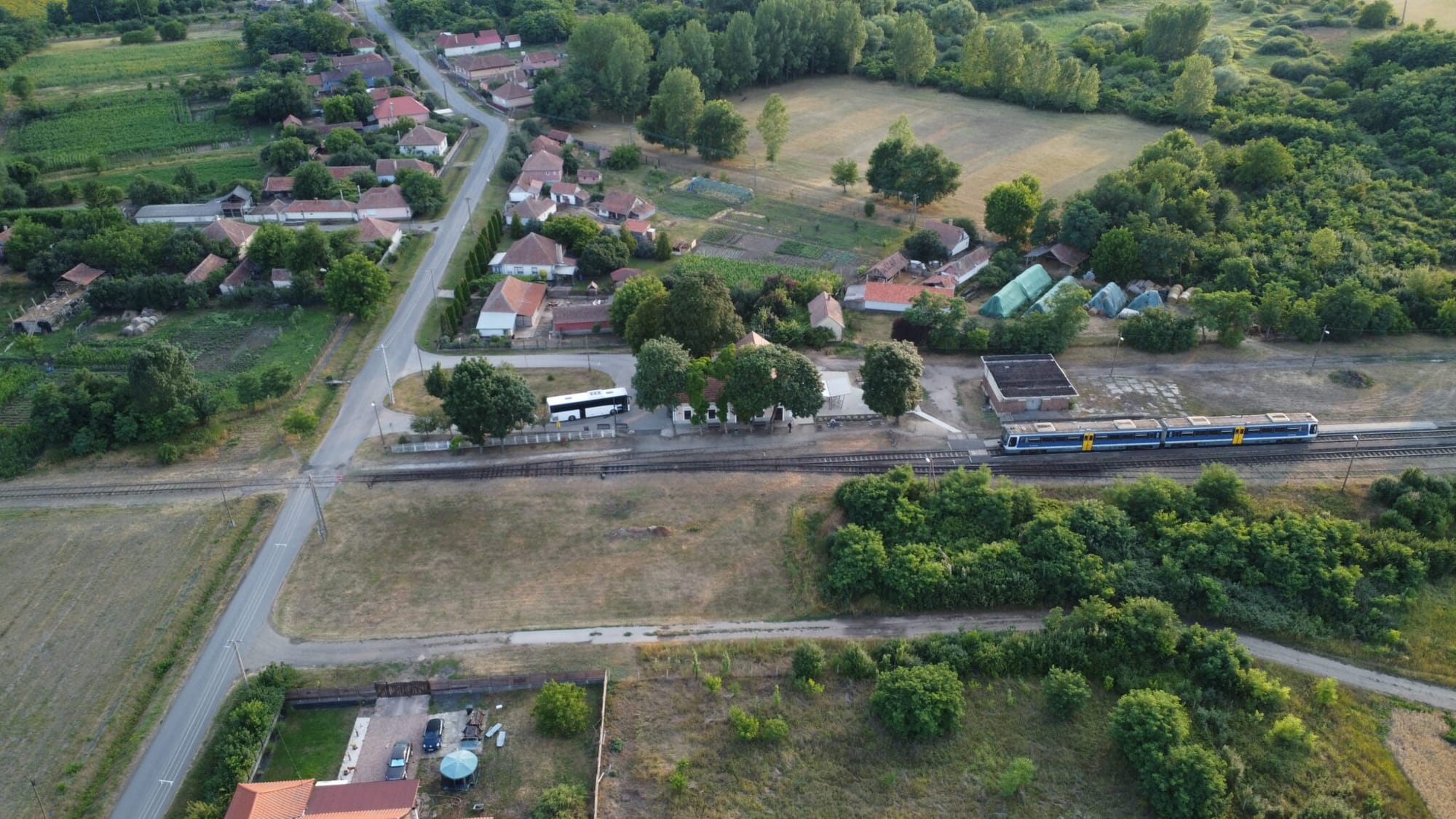
On 12th July I was at Nagykereki on the Hungarian great plain, trying to find remnants of the former cross border railway line to Episcopia Bihor in Romania. You can see where the line used to run on OpenRailwayMap here, and on my borders map here. In terms of international potential there was nothing there - the line used to run where the bushes are in this drone picture, but everything is long gone:

But something was intriguing about the line. Rather than using tiny Bzmot railbuses typical of the smallest lines in Hungary, this one used more modern and larger Metrowagonmash DMUs:
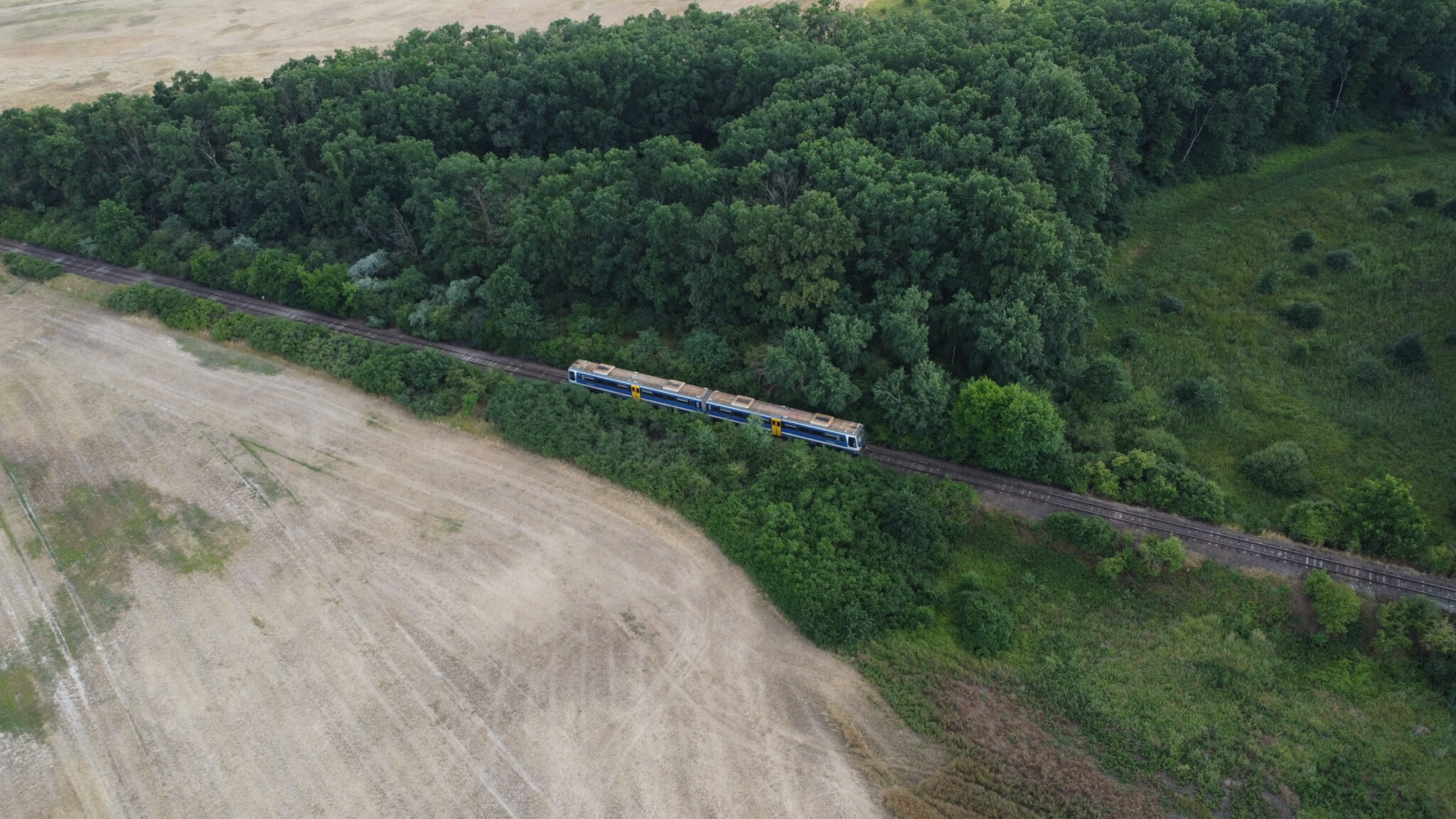
Then yesterday the news popped up in my RSS feeds that the line to Nagykereki is to close, because a battery factory is to be built on the old alignment.
And then - as is so often the case - different people in the online community about railways explained their own experiences. Hatetsu on Mastodon pointed me towards a post by Wrzlbrnft which indicated not a battery factory, but an airport expansion, was to blame for the line being cut. Going back to OpenRailwayMap and checking the alignment at the edge of Debrecen would seem to indicate that the issue is both an airport expansion and the battery factory. There is a proposed route for a new line, but we have no idea when that might be built.
But the combination of eyewitness experience, a news story, and networks on social media help us understand what is going on.
It was a similar story from the other end of Europe yesterday as well, although this time on Bluesky instead of Mastodon.
Chris Ogilvie posted about the agreement to finance the completion of the Lisboa - Madrid high speed corridor by the early 2030s. But as anyone who has seen my posts about international rail to and from Spain knows, I am not at all convinced by anything long term, as even basic things are not sorted out short term.
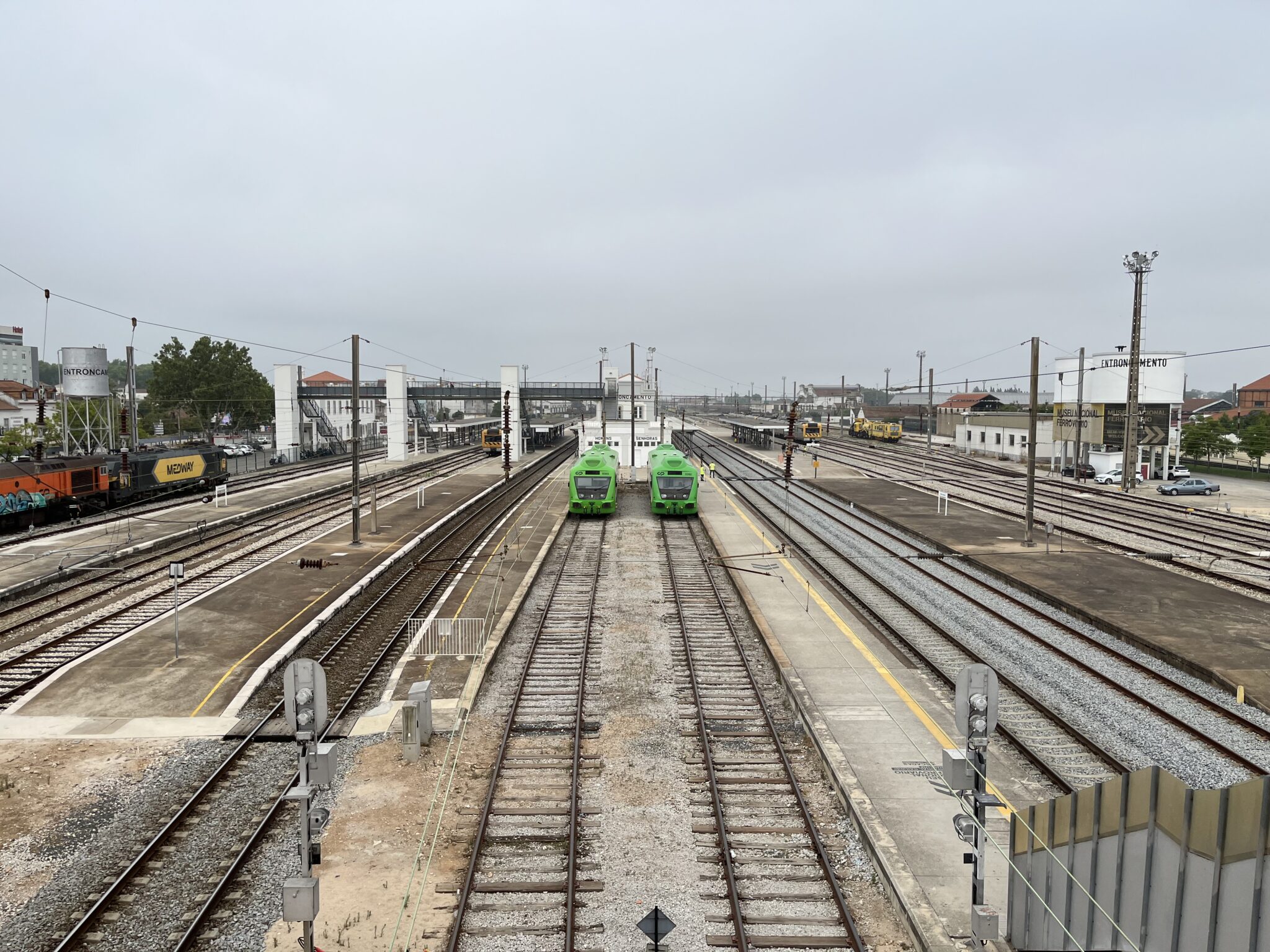
One of those should have been the opening of the Elvas - Evora high speed line in Portugal, scheduled for December this year - and I had heard nothing to the contrary that it would open, although - in contrast to Nagykereki - I have not been there since 2022. Were the line to open it would be possible to run Lisboa - Madrid in about 6 hours 30 minutes, with one change of train in either Elvas or Badajoz (you'd need to use a Portuguese electric Intercidades train and a Renfe class 730 bimode train to make it work).
This time it was Simon Maarfield who was able to help - he'd been at Elvas at the start of this week, and could confirm the tracks were not complete at the junction. And Pedro Telles had some background as to why this might be the case.
So it will not be December 2025 for a better Lisboa - Madrid, but then perhaps 2026 it could finally work.
But by now - if you've got this far in the post - you're probably thinking "well, so what, Jon. You have all of this in your head and gather it via your social media feeds. But how the hell would any of the rest of us do that?"
And there is where I am starting to think in a more structured manner. I am gathering all this information, and connecting it together myself, but I am not documenting it systematically. I need a system to be able to tag this news and tag these eyewitness accounts, and list those developments on pages about each border on the #CrossBorderRail website. With no major trips planned for the rest of 2025, building that system will be a worthwhile next step in my #CrossBorderRail project.