A little short term subsidy for this or that route is no way to support night trains - lessons from the end of Basel-Malmö before it even started

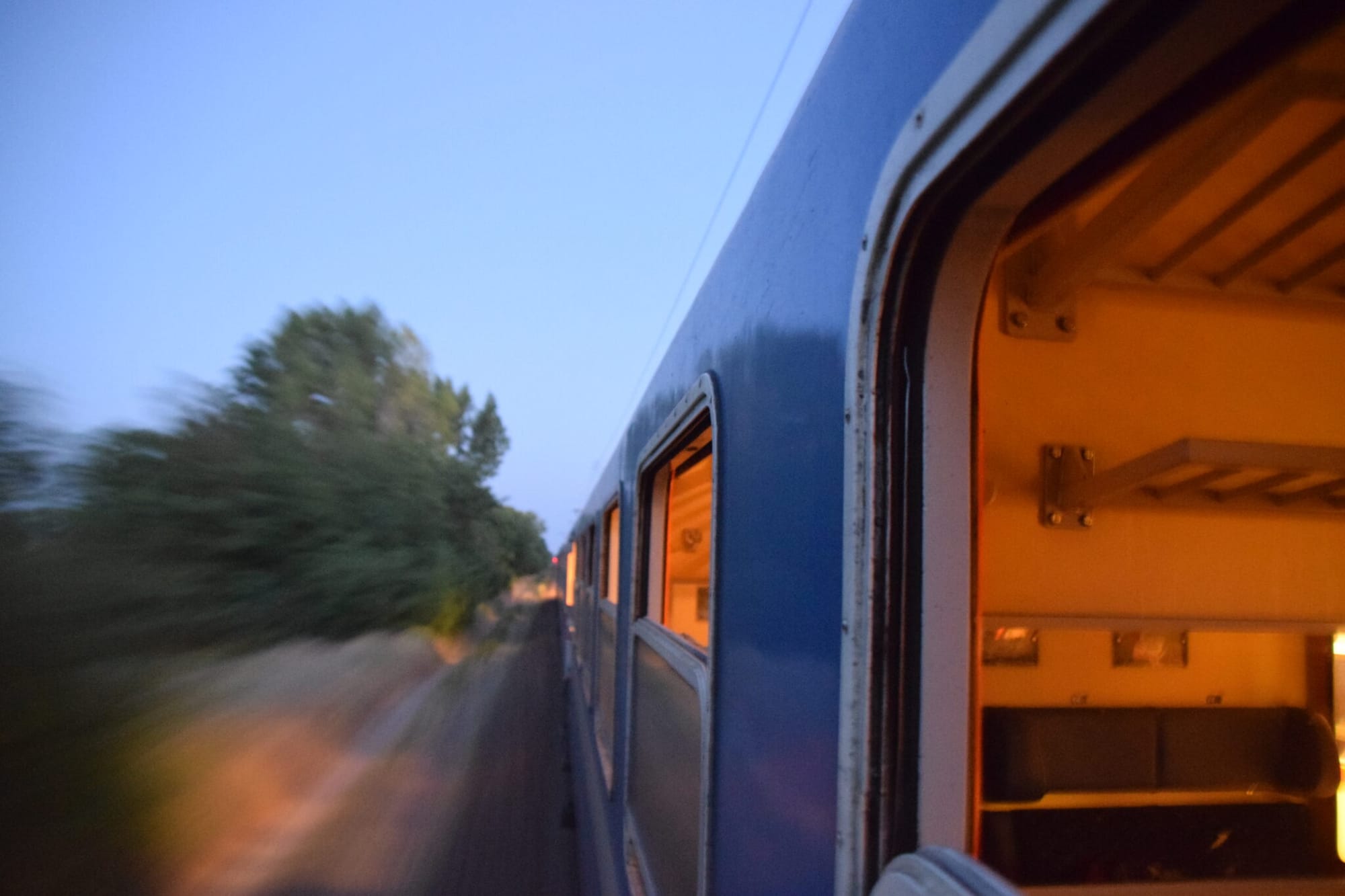
So there will not be a Basel - Malmö night train from the spring of 2026. Switzerland's parliament did not approve the subsidy to allow it to run. Without the 10 million CHF the parliament refused to grant to get this going (from a wider fund of 47 million CHF for wider climate and transport measures between now and 2030), SBB thinks it cannot run the service (and hence cannot lease the carriages for the service from RDC).
We've been here before.
France ended its subsidy for the Paris - Berlin and Paris - Wien night trains after a two year trial period, and so those routes will not be run by the SNCF-ÖBB cooperation any more as part of the Nightjet network. Private company European Sleeper will step in and run Paris - Berlin three nights a week on a different route, and thinks it can do it without subsidy (although given European Sleeper's record it'll likely do so with knackered carriages from the 1970s).
And last but not least there is the Berlin - Stockholm night train run by SJ that was announced as being cancelled when Trafikverket in Sweden ends its subsidy at the end of the high season in 2026, but in this case RDC (the company that leases the carriages to SJ, and would have leased to SBB for Basel - Malmö) will step in and run the service itself, although likely not throughout the whole year.
The problem here is none of these trains are any good, and there's not a hope that small pots of cash, short term, here and there are going to put the fundamental problems right.
Both RDC and European Sleeper (that itself leases from Euro Express, among others) have tiny, elderly and unreliable fleets of couchette carriages and sleeping cars, dating from anywhere between the 1950s and the 1980s, but definitely not newer. Carriages this old means things break. Air conditioning - if fitted at all - is poor. Carriages are noisy. And the user experience is unpleasant.
And poor user experience and poor reliability means a limited appeal, especially among passengers who would pay more for a more deluxe service. The overall shortage of carriages means many of these routes cannot be run every night, and if a route does prove to be a success there is no way to scale up the provision - because there are no more carriages you can use.
The problem remains that no-one other than Austria's ÖBB is ordering new night train carriages for international routes, and even ÖBB scaled back its initial order for 33 trains (each with 7 carriages) to 24 trains. And were one of the operators implicated in the current mess (SBB or SJ for example, or even European Sleeper or RDC) to try to organise an order for some new carriages, they would struggle to find finance such an order without knowing the financial framework that would be available to them to operate various routes.
For governments that have to take a decision to finance an overnight route, it would be easier to justify backing a service that runs every night (not just 3x a week), that would have both tourist and business traveller appeal, and solid reliability, and decent capacity and economies of scale, than it would to back a small irregular train cobbled together from carriages saved from the scrap heap.
So let us take a step back.
The solution first and foremost here is to build new night train carriages, and ideally a few hundred of them. If not SBB and SJ as operators, then the governments of Switzerland and Sweden (and why not Germany or Czechia or France as well), should put their heads together with the European Commission to work out a way to finance such an order. With a larger and more modern fleet of carriages, larger capacity, more comfortable and more reliable night trains can be run - and we know the customer demand is there for this (even the Swiss acknowledge it). And then if Basel - Malmö were a success it can be scaled up, or eventually run without a subsidy. Or if it fails to meet the expectations the carriages can be deployed on Berlin - Stockholm or Paris - Wien instead.
So don't put your couple of million Euro or CHF into short term subsidies of poor quality irregular night trains. Instead invest in working out to solve the rolling stock financing issue, and once those carriages are built your operational future will look brighter too.